The Half of Design That Doesn't Show
The Four Invisible Decisions That Make a Renovation Last
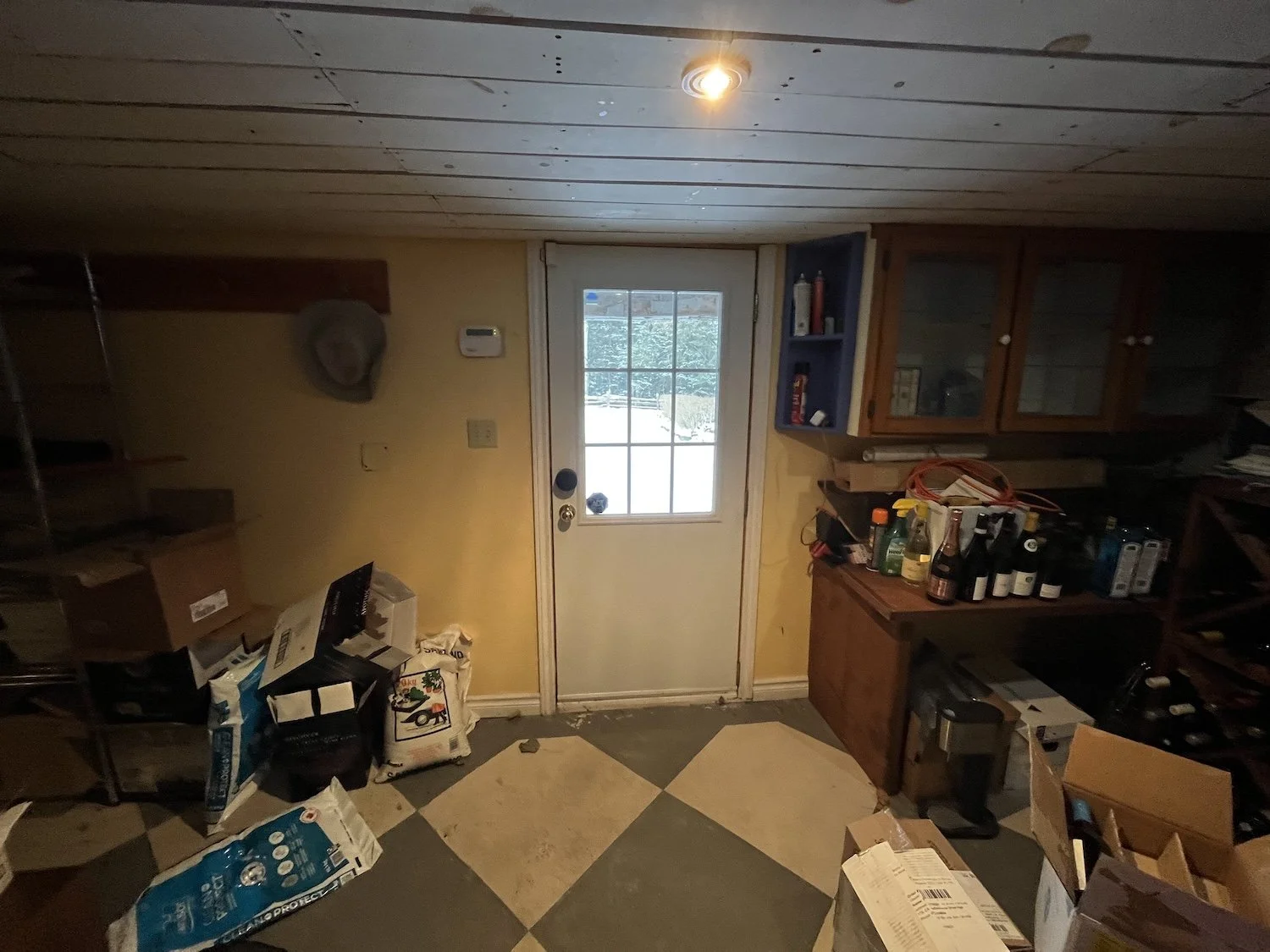
The basement entry at Erin Farmhouse before renovation.
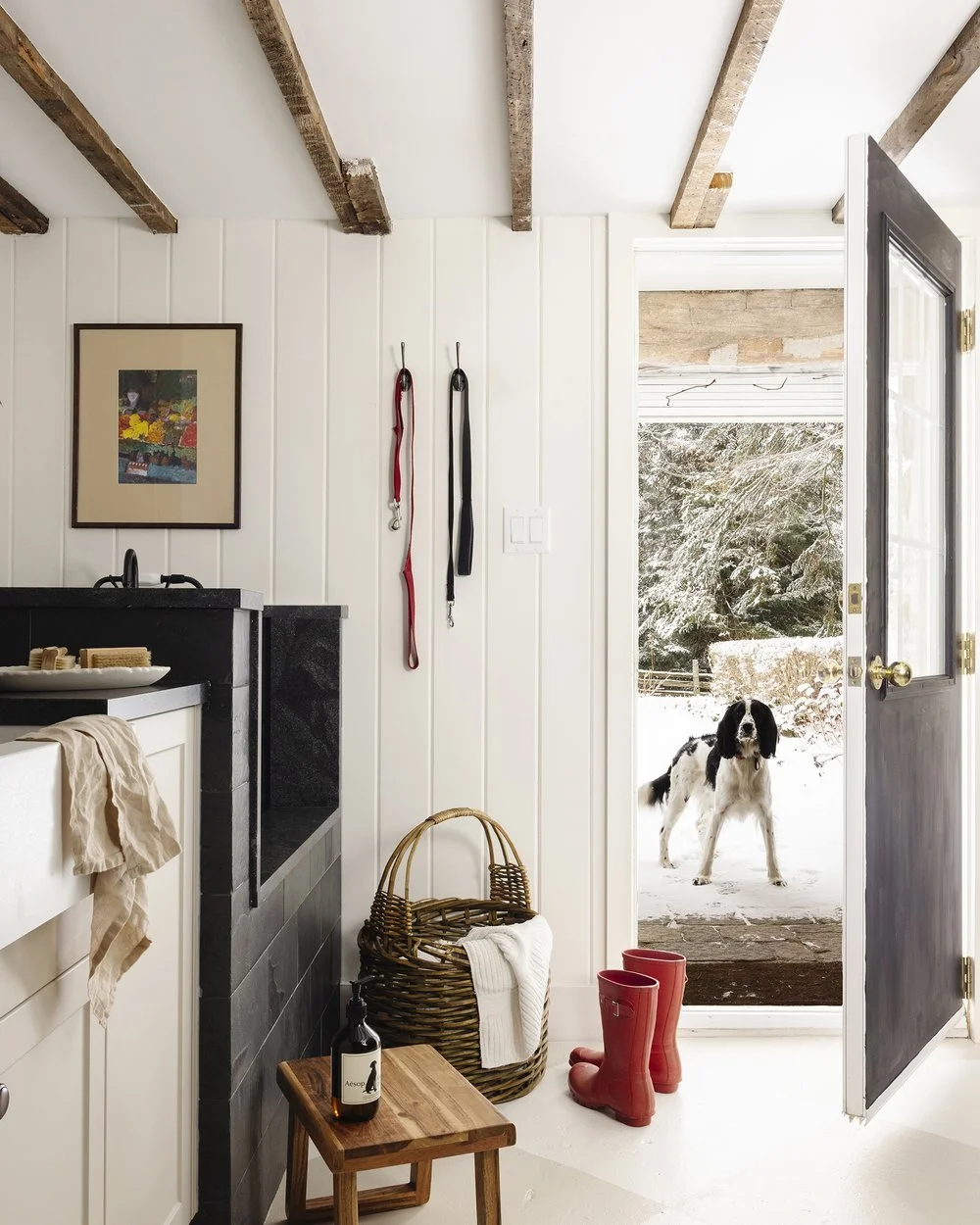
The same entry after — shiplap walls, exposed beams, a proper dog-washing station, and a door that opens onto the property.
Every renovation has a moment.
You're reviewing a budget. There's a line item — maybe it's called subfloor preparation, or floor levelling, or sound insulation between floors — and the number feels disproportionate to anything you can picture.
The fair question forms: do we really need this?
It's a reasonable instinct. The line items that prompt it are almost never the ones that show up in the renderings. They're the unglamorous half of a renovation — the part that doesn't get its own moodboard.
But more often than not, these are the decisions that determine whether the renovation actually holds up.
Design Isn't Only How It Looks
Most conversations about design focus on the visible layer — the materials, finishes, and the way the rooms come together. That's the part we get hired for. It's also the part our clients enjoy most: the lighting plan, the millwork drawings, the moodboards.
But good design includes a second half. The part that happens behind the walls, underneath the floors, and inside the systems that quietly determine whether a home is comfortable, dry, and stable over the next twenty years.
When we sit down with a construction budget, those are the line items we add buffers for. Not because they're glamorous — they aren't — but because we know our clients will be grateful for them a decade in, even if they don't fully understand what they're paying for today.
Here are four of the categories that almost always come up.
(1) What's Under the Floors
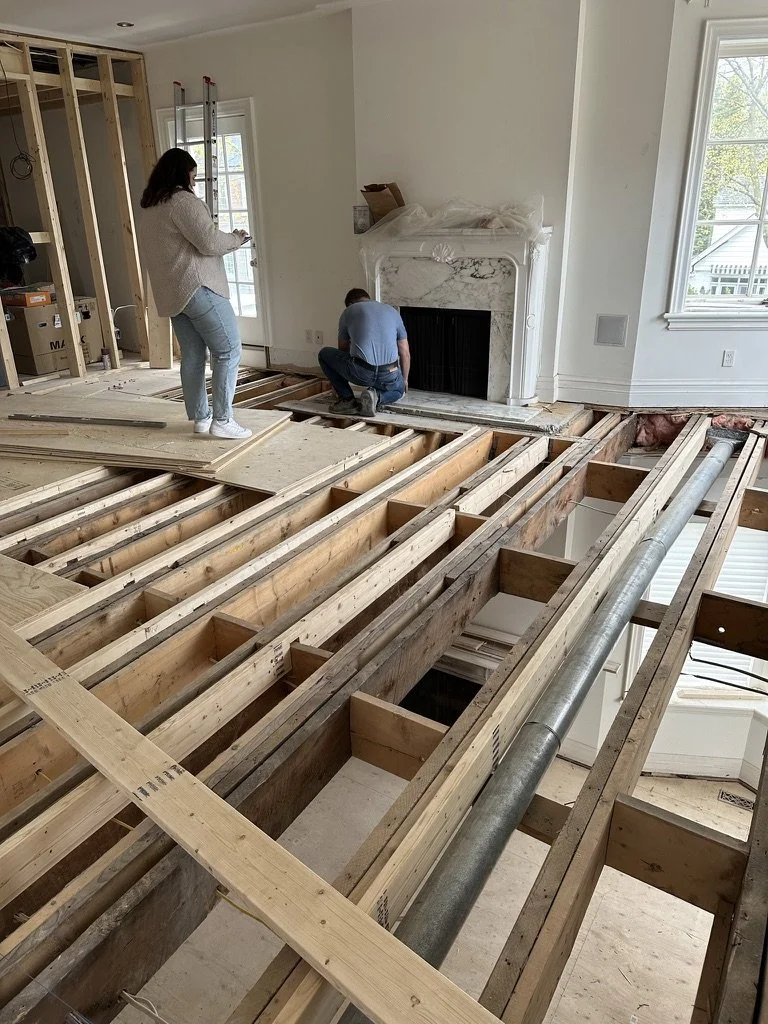
MCD Project Roxborough Street living room mid-construction, with subfloor and floor joists fully exposed during the levelling process.
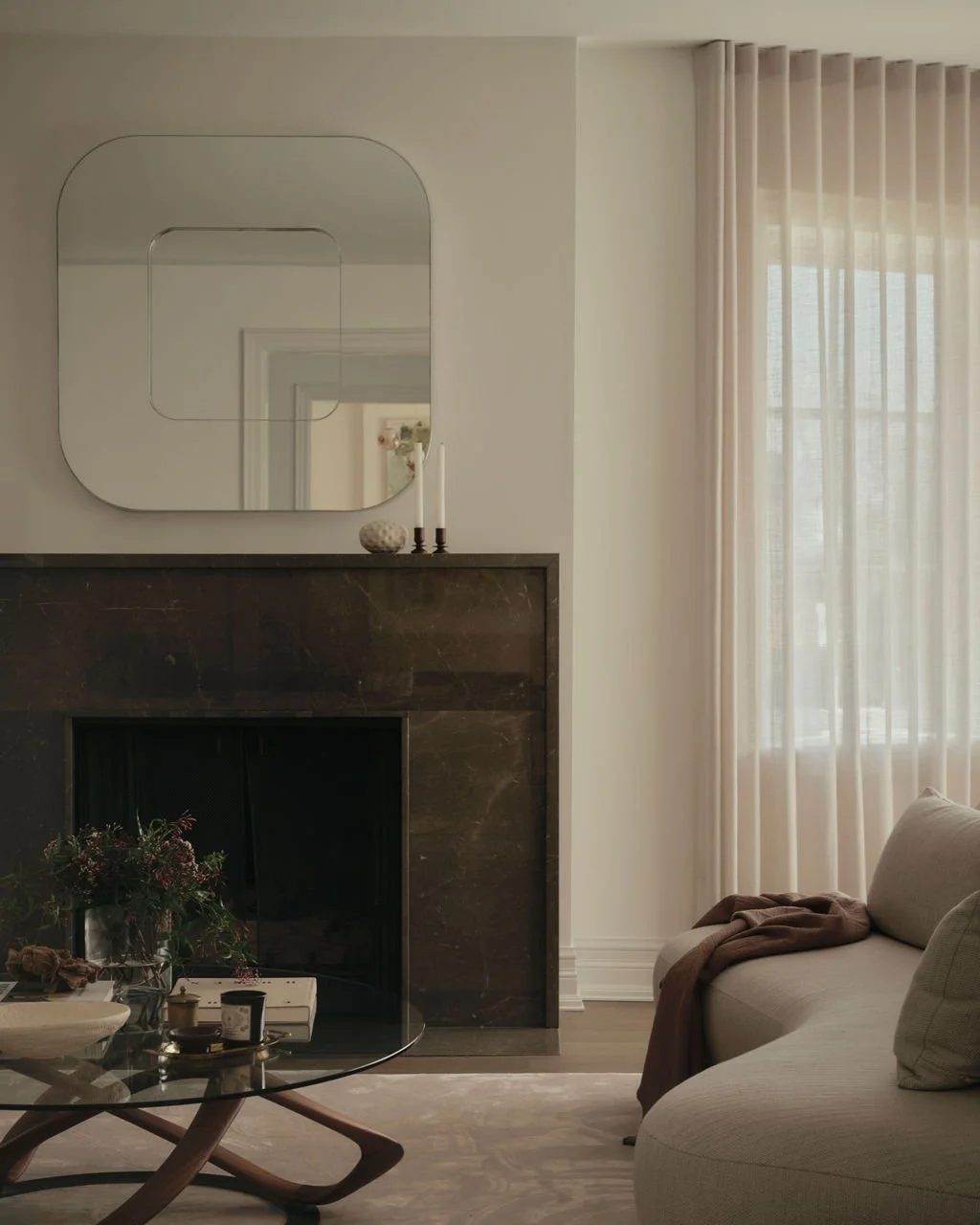
MCD Project Roxborough Street living room after.
The line item is called subfloor preparation. It's almost never what someone gets excited about during a renovation.
But it's the difference between a tile floor that still looks new in fifteen years and one that's cracking by year three. Between a hardwood floor that holds its line and one that gaps and cups. Between a stone counter that stays seamless and one that hairlines along its veins.
We only work with contractors who do this part right. That sometimes adds cost up front. It almost always saves more, over time, than it spends.
(2) What's Inside the Walls
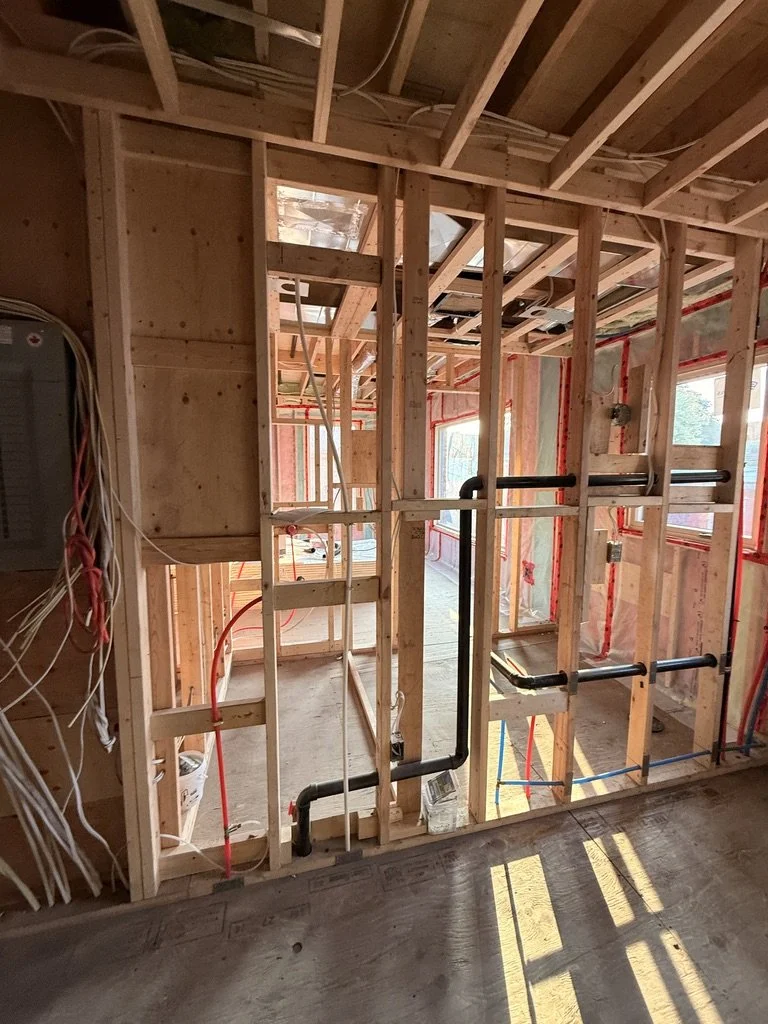
Plumbing stacks and electrical roughed in before the walls close — the infrastructure that determines how the home functions, invisible once the drywall is up.
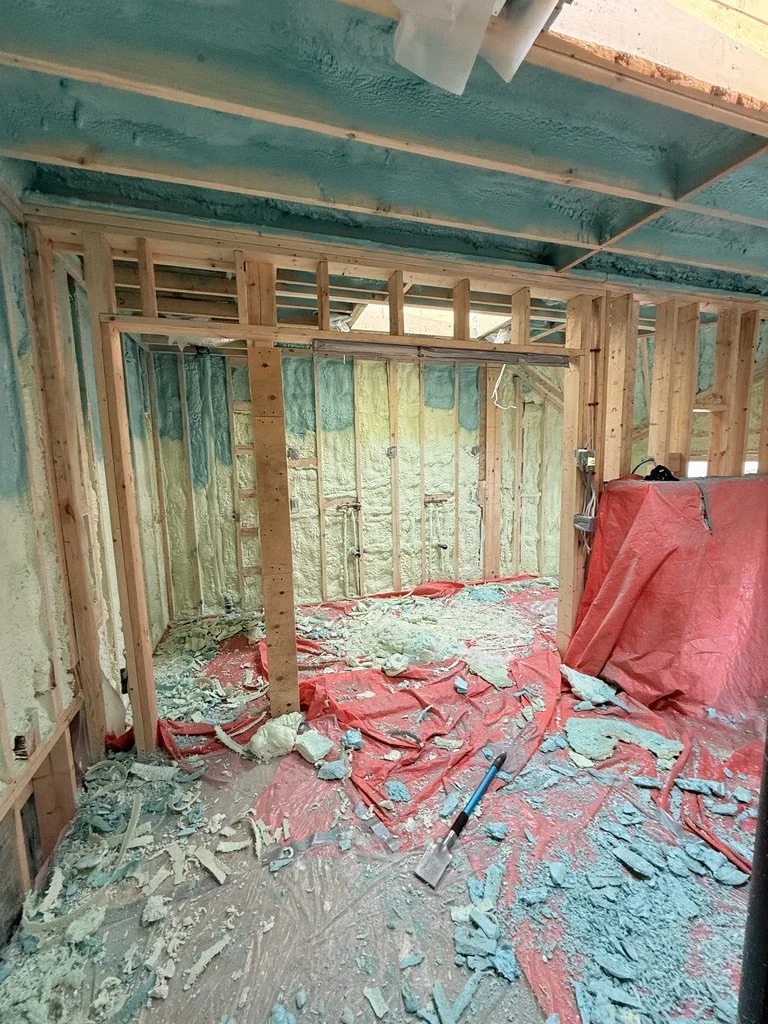
Spray foam insulation filling the wall and ceiling cavities. The decision that determines comfort, energy performance, and moisture control for the life of the home.
Everyone wants the kitchen renovation. Nobody is excited to spend money on what goes inside the walls.
But the comfort of a home — the absence of drafts in winter, the way the temperature stays even from room to room, the fact that your energy bill doesn't surprise you each month — is largely decided in this layer. It's also the layer that's hardest to revisit later. Once the drywall is back up, the decision is mostly made.
(3) How Water Moves Through the Home
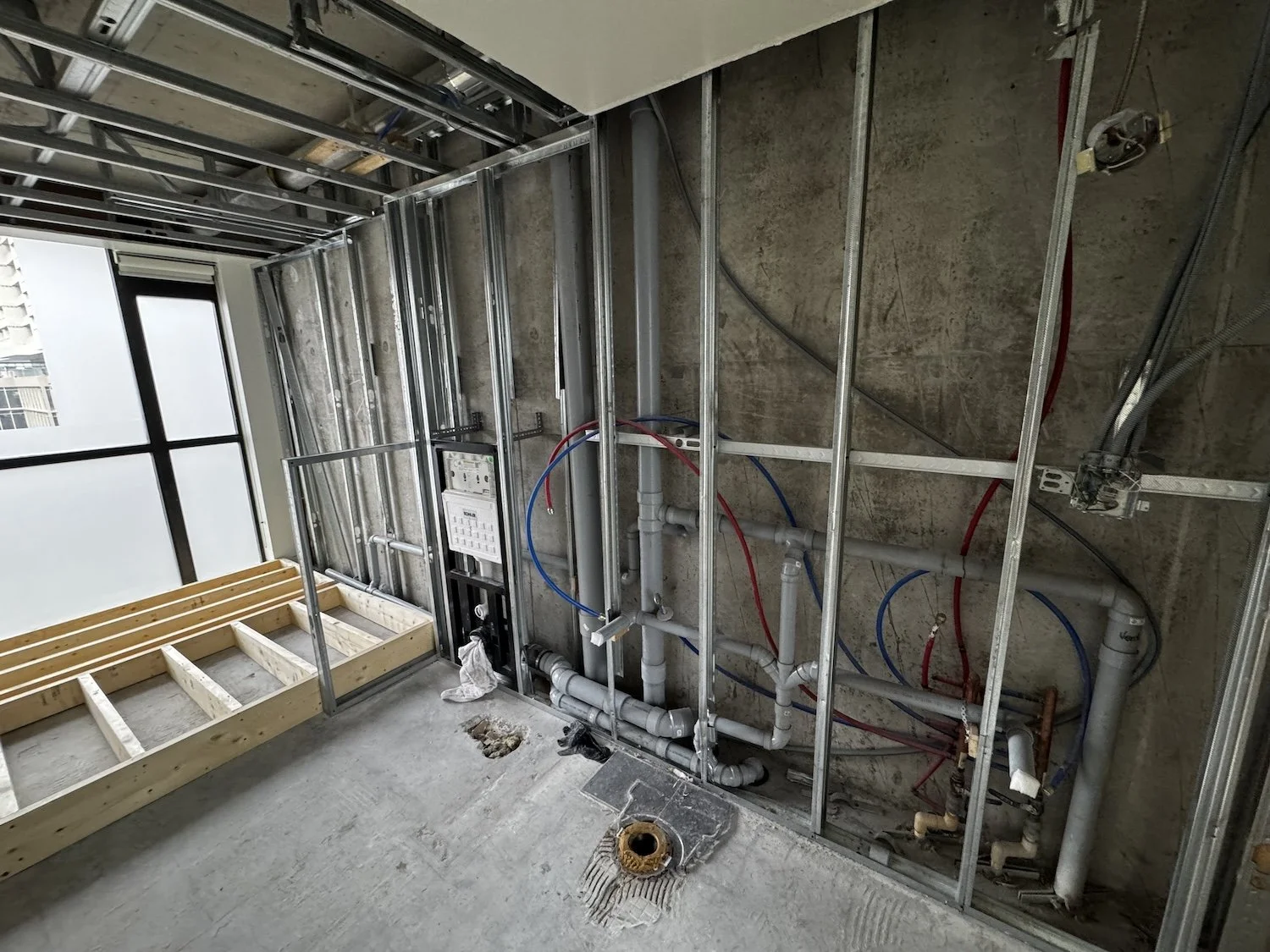
MCD Project Niagara Street: Before the walnut vanity and stone countertop, there was concrete, steel framing, and a wall of plumbing. Every pipe routed and waterproofed before a single tile went in.
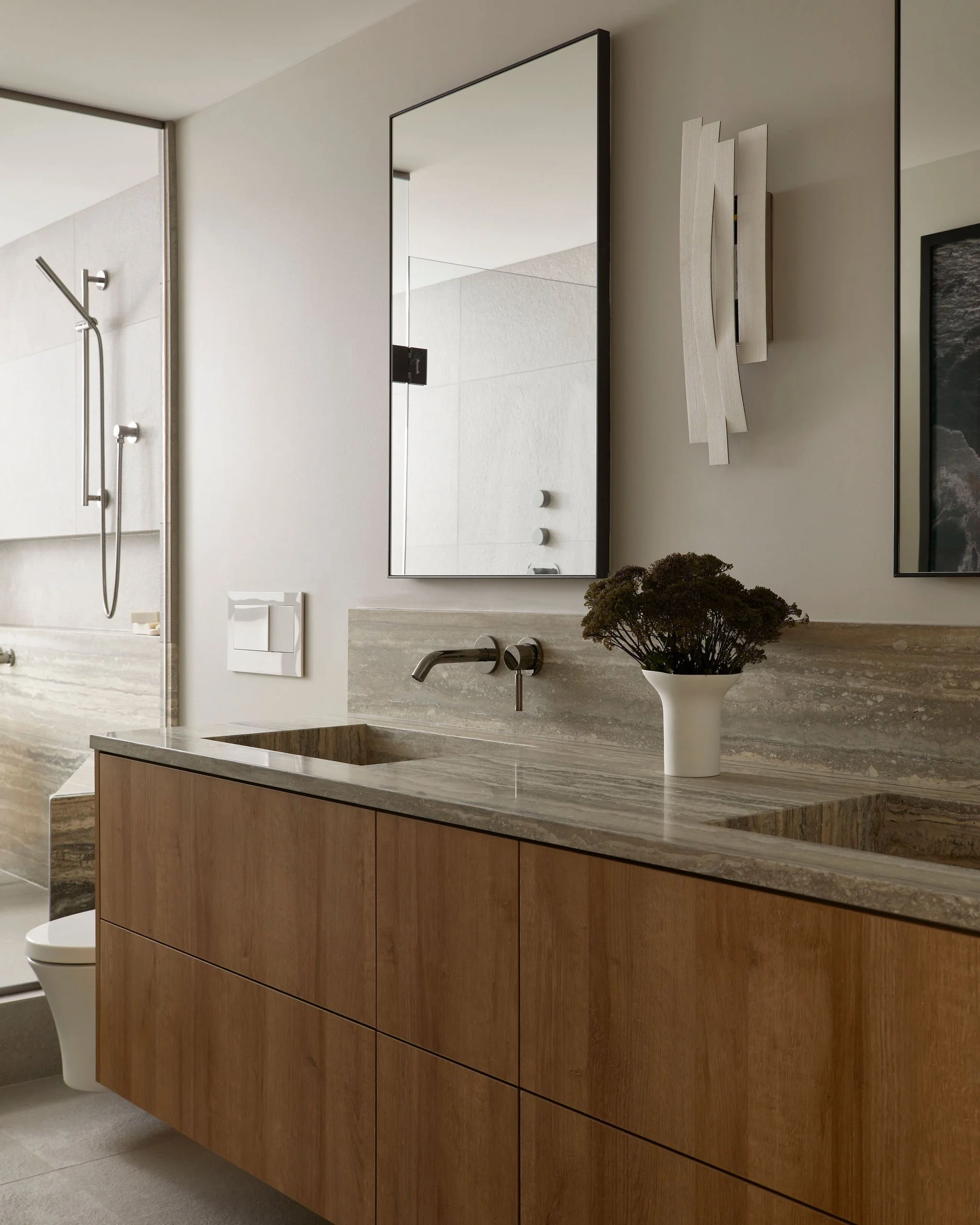
MCD Project Niagara Street: After.
This is the category we never compromise on.
It's also the one most likely to get questioned, because nothing about waterproofing looks like a renovation expense. Membranes, slopes, drainage paths, vapour barriers, the routing of plumbing stacks — none of it shows up in a finished photograph.
But every catastrophic problem we've seen in a finished home traces back to water that wasn't managed correctly. Of all the line items in a renovation, this is the one with the most lopsided risk profile. The cost of doing it right is small. The cost of redoing it later is enormous.
(4) Whether the Home Feels Comfortable
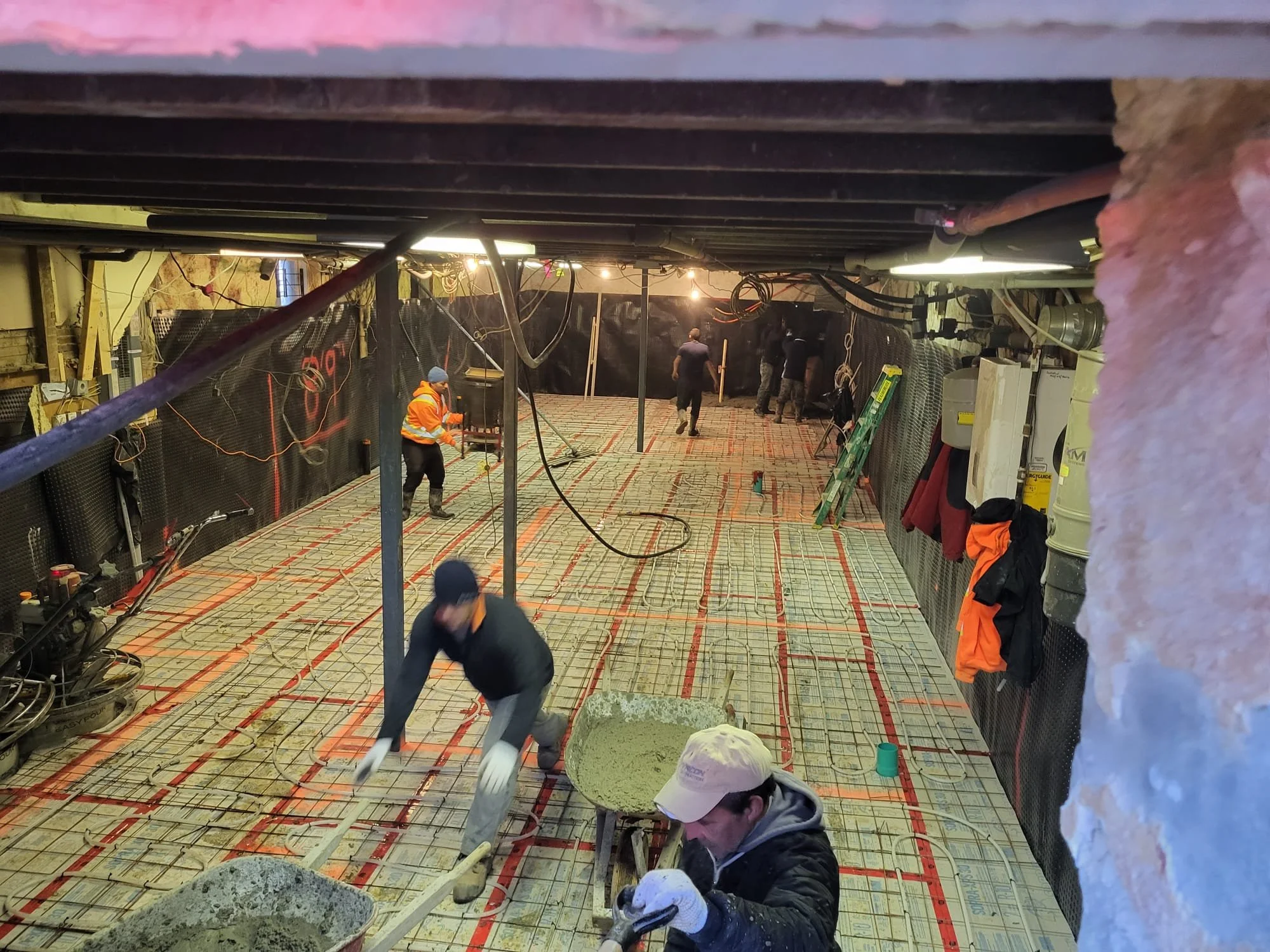
MCD Project Rossmore Road: Radiant heating loops being set in concrete before the basement slab is poured.

The finished basement at Rossmore — a fully usable, heated space for the family.
Most homeowners don't think about heating and cooling during a renovation unless something is obviously broken.
They think about the kitchen, the bathrooms, the closet they want bigger. But comfort — the actual experience of living in a home — is shaped almost entirely by the mechanical systems. Whether the primary bedroom gets too warm in summer. Whether the kitchen feels cold in winter. Whether the basement is usable year-round or just a few months out of it.
There's a reason so many homes go on the market in spring. It isn't just the garden. It's the season when you can't feel whether the home has a temperature problem — and that gap is often how those problems get passed along.
This is one of the cheapest things to address while walls are open. And one of the most disruptive things to fix once they're closed.
What This Looked Like in Practice
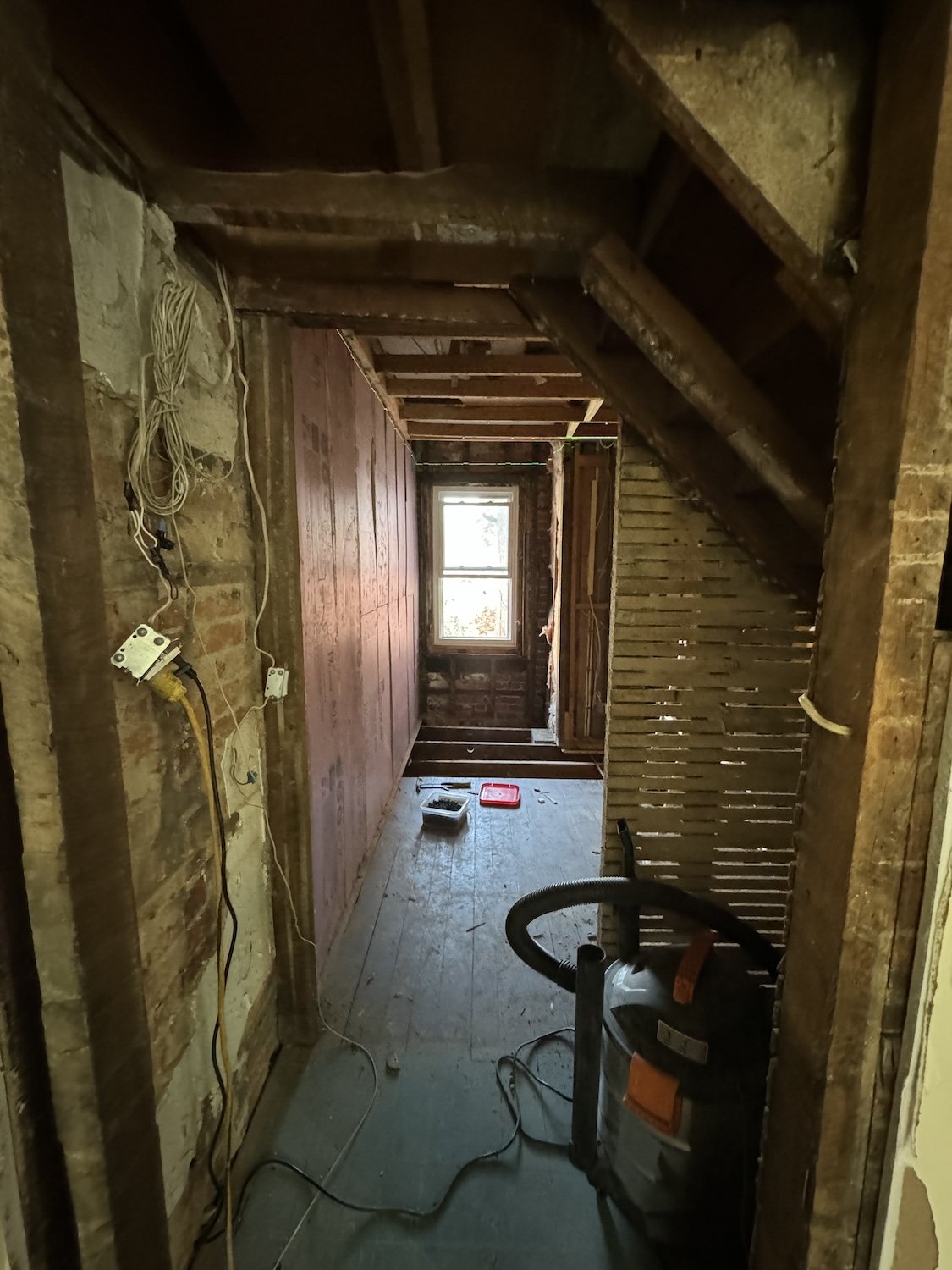
Our Garden Ave project, in Roncesvalles, was a textbook example. Century homes often carry layers of decisions made by previous owners — some thoughtful, some not. We knew going in that significant floor levelling would be required; decades of settling are par for the course in a 100-year-old home.
What we didn't know is that a previous renovation had removed a structural post from the middle of the house. The home was, quite literally, beginning to collapse in the middle.
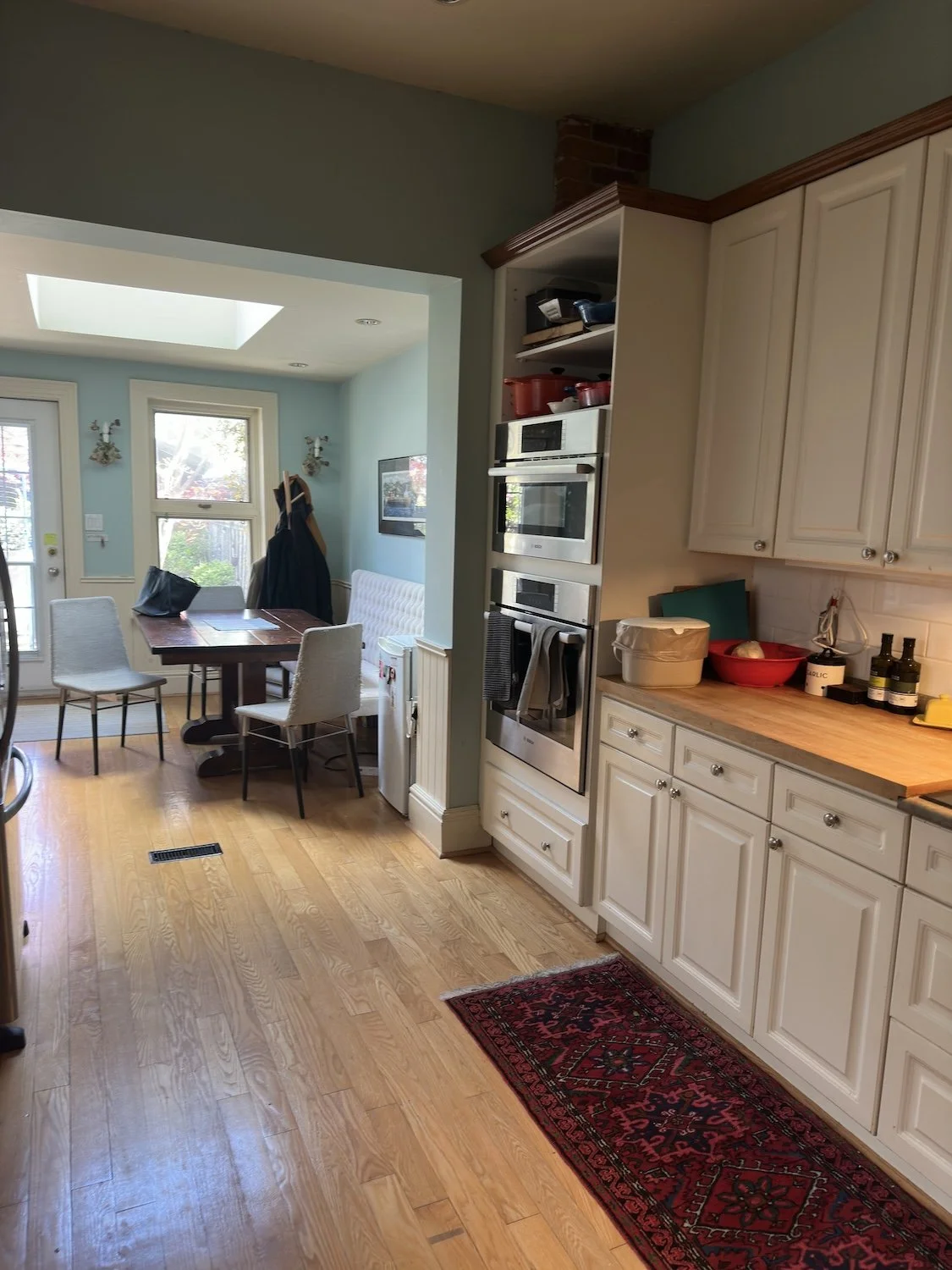
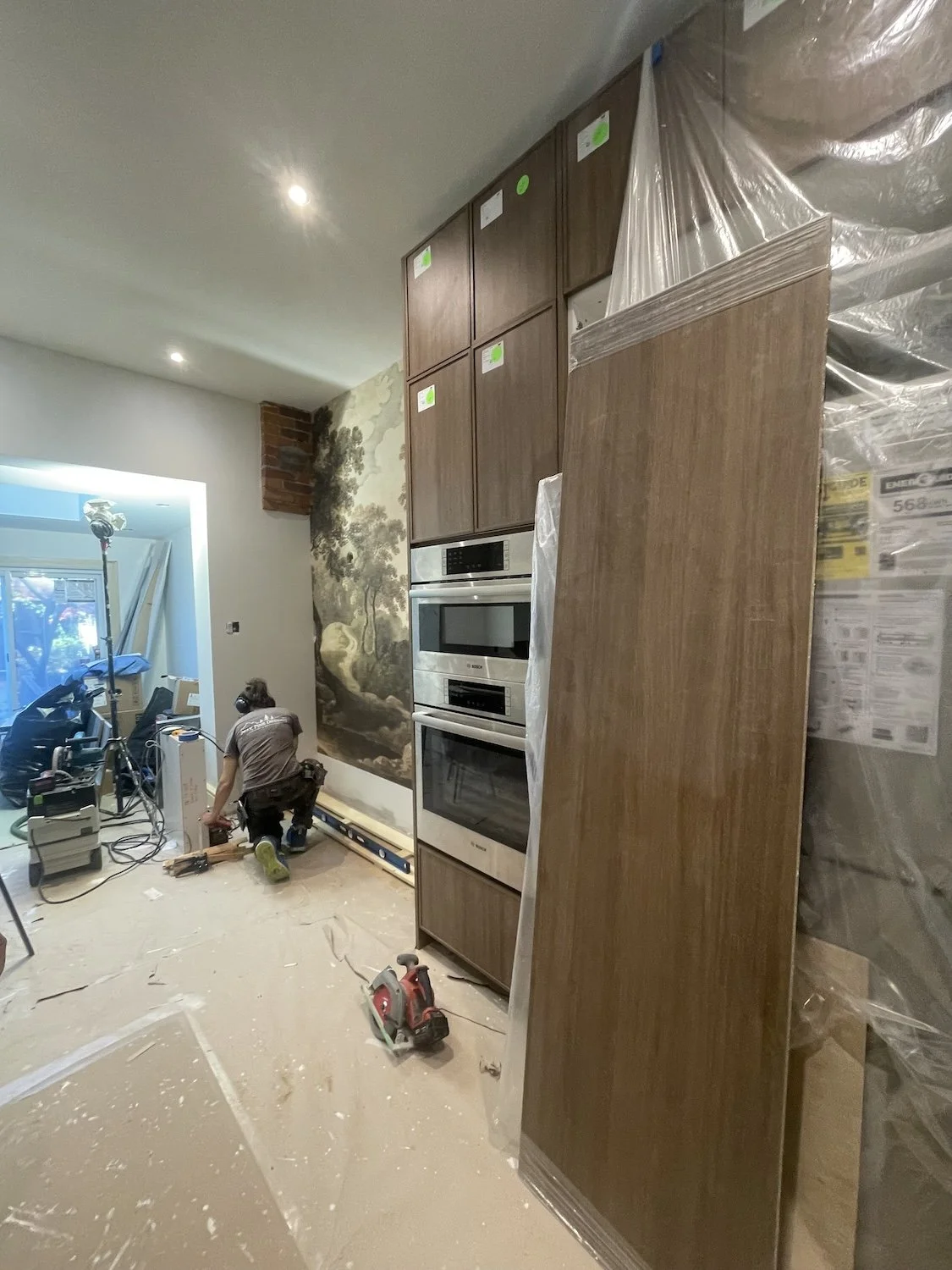
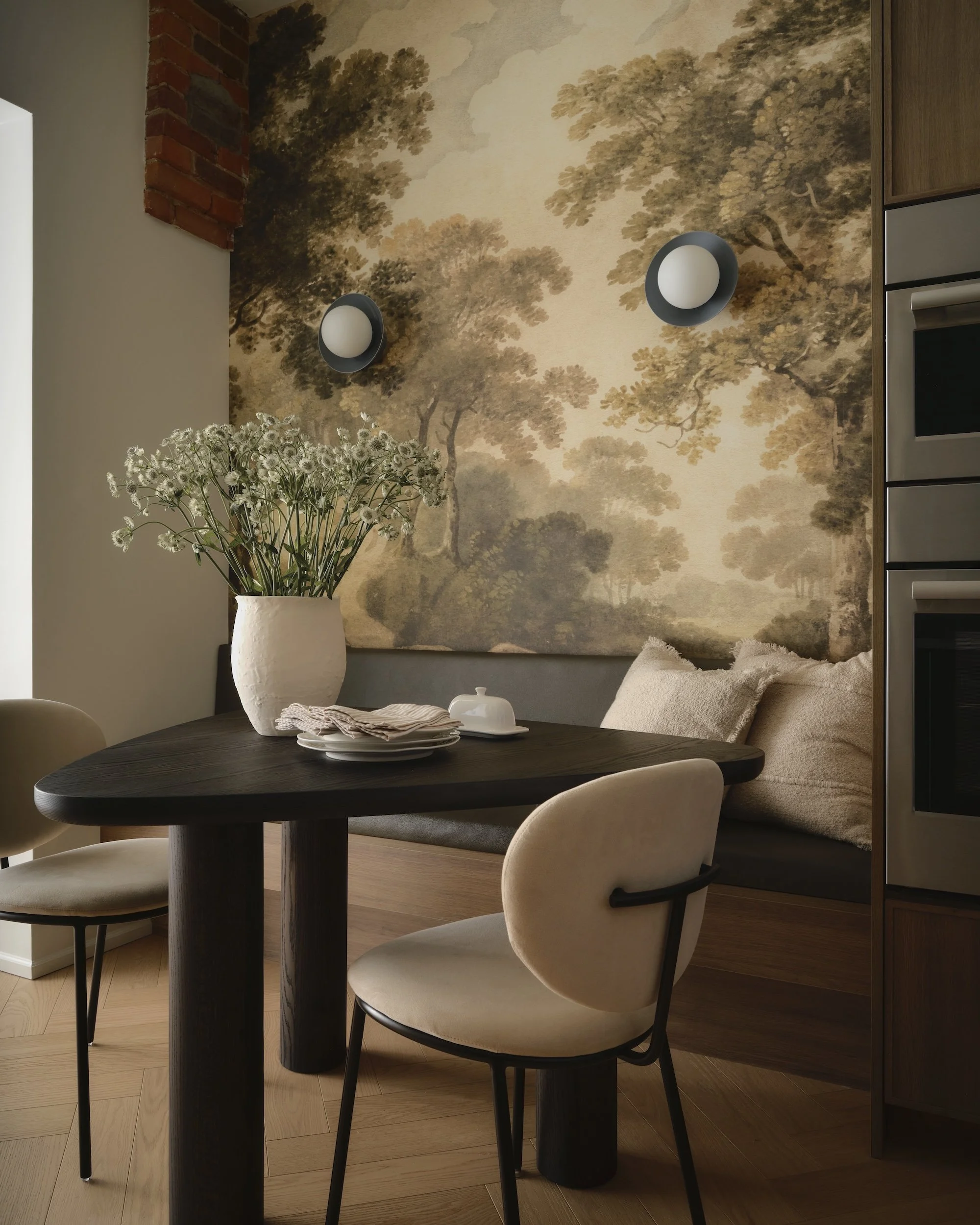
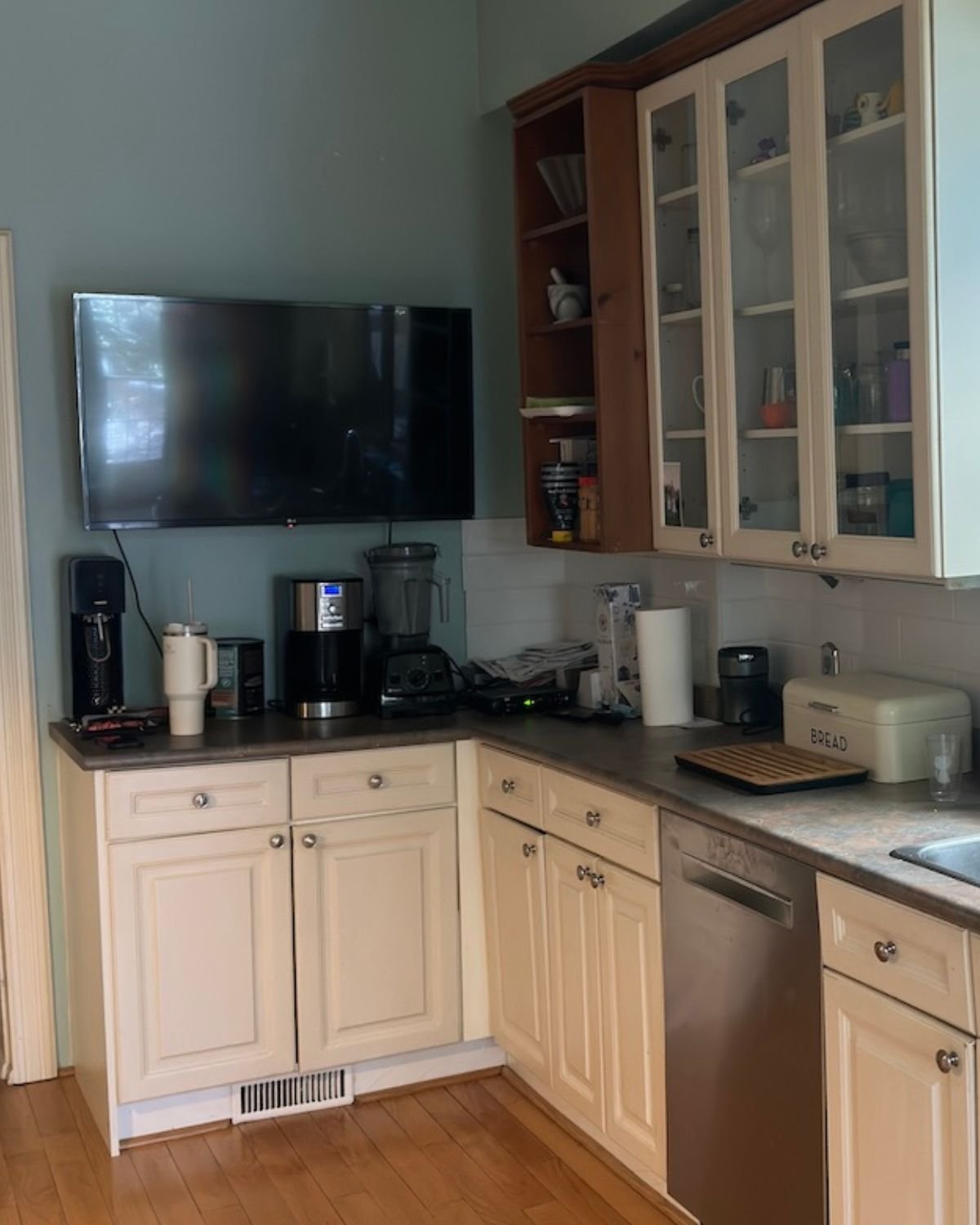
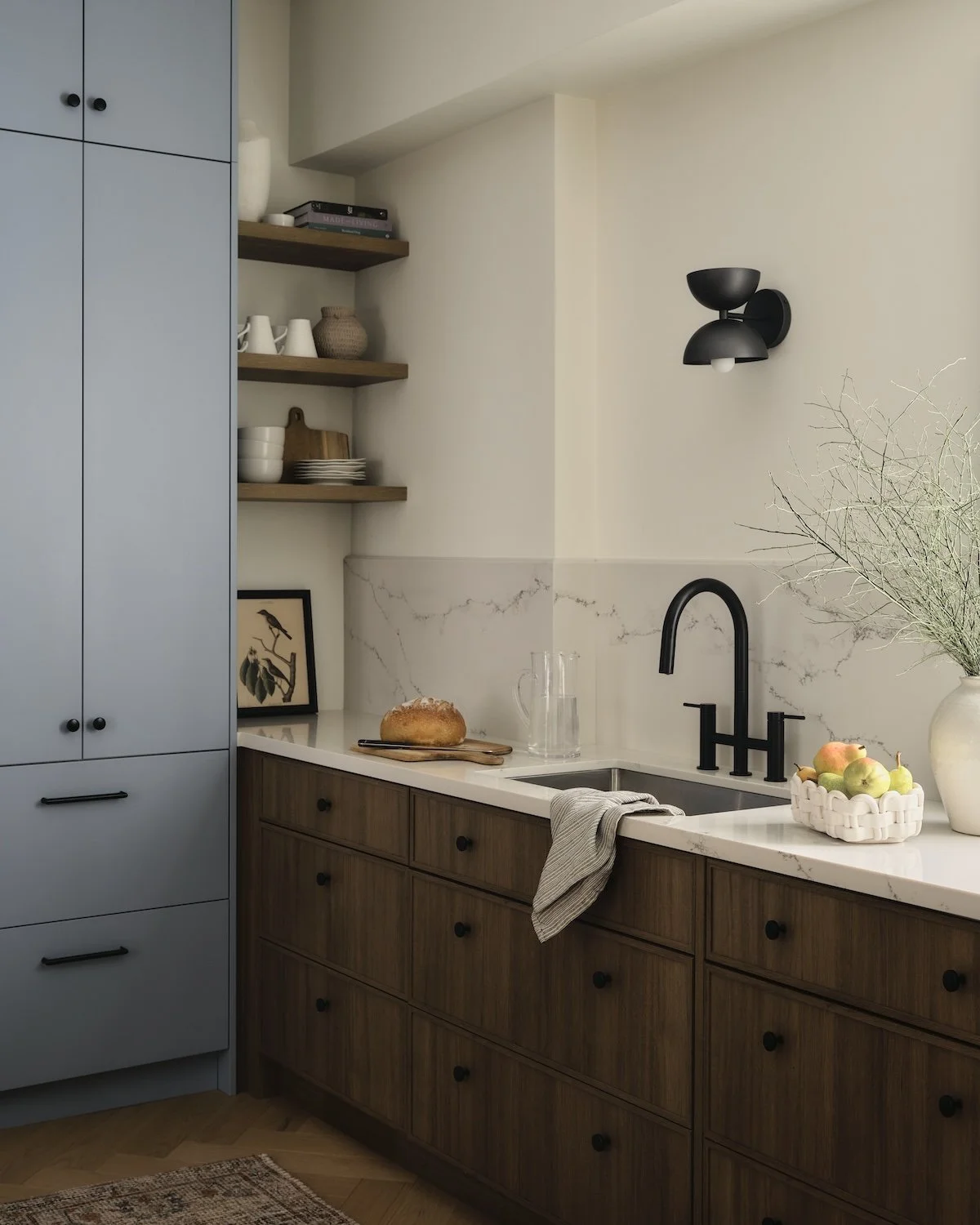
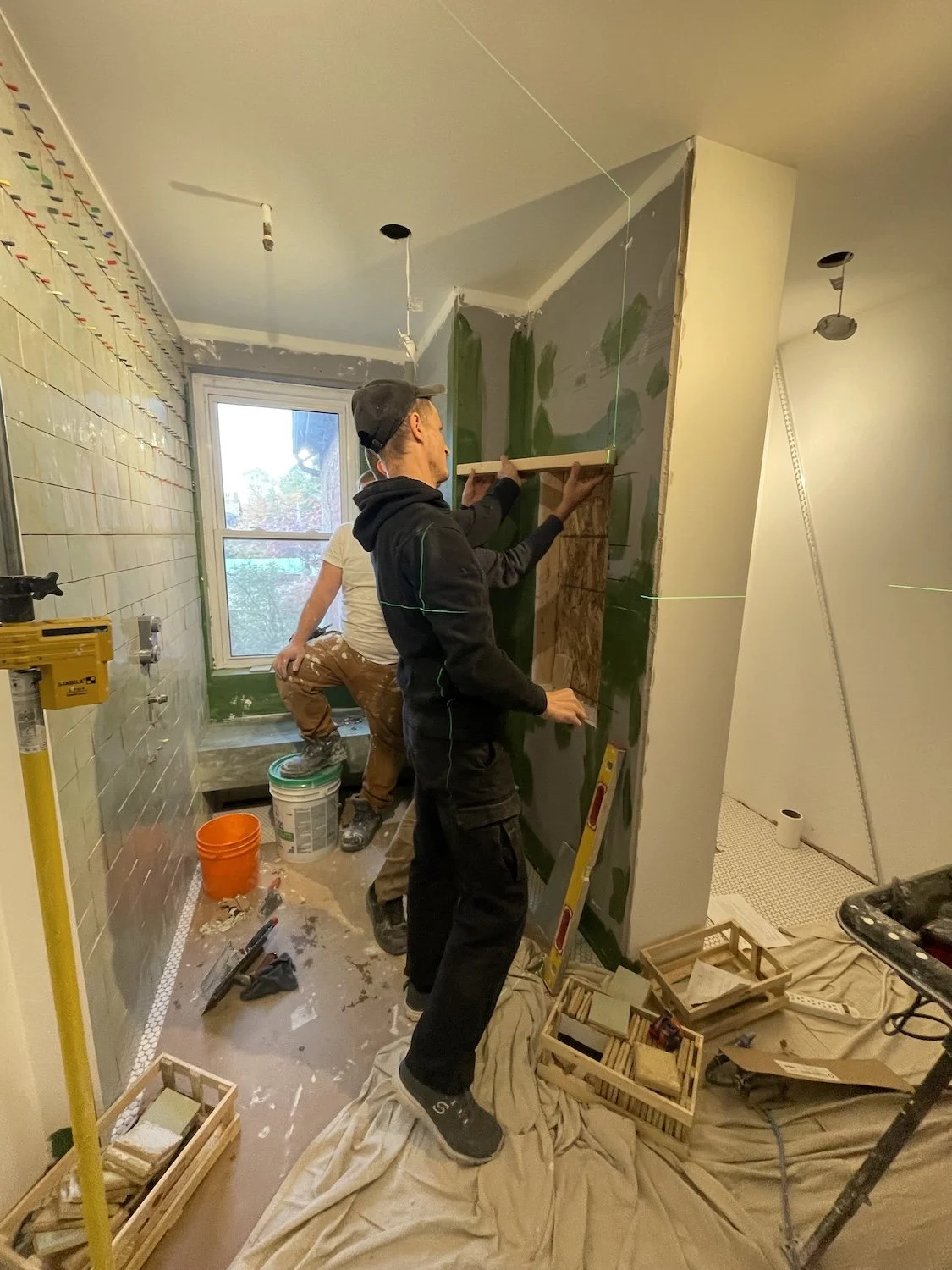
We also converted a small bedroom and office into the primary ensuite — a change that altered how air moved through the home. To compensate, we added in-floor heating in the bathrooms. Yes, partly for the everyday comfort of warm tile underfoot. But also functionally: in-floor heat keeps a space that sits slightly off the main return air system warm and dry through the winter.
These are exactly the kinds of decisions that don't show up in a final photograph — and exactly the ones that determine how the home actually feels to live in.
The Decisions Worth Arguing For
None of these are aesthetic. None of them show up in a photograph. All of them shape how a home performs — and how it feels to live in — long after the renovation is done.
The renderings are what people fall in love with. The decisions behind the walls are what make the renderings still hold up in twenty years. As designers, our job is to think about the home as a whole — the finishes our clients see, and the systems they don't.
The half of design that doesn't show is also the half most likely to be cut from a budget if no one advocates for it. That advocacy is part of the work — and part of what separates a beautiful renovation from one that holds up.
Frequently Asked Questions
-
A renovation is a single coordinated project, and design decisions are only as durable as the systems beneath them. We work closely with contractors, engineers, and trades, but we hold the long view of the home — how the design will look, function, and feel over decades. That perspective makes us advocates for the line items that are most likely to be cut for short-term reasons.
-
Contractors execute the work. Trades install the systems. Engineers specify the structural and mechanical pieces. Our role is to make sure those decisions support the design and the long-term performance of the home — and to argue for the right level of investment in each. The best renovations happen when those roles work together, not when one tries to do all of them.
-
A thoughtfully designed and well-built renovation should remain functional and comfortable for twenty to thirty years or longer. The finishes will age — that's expected, and refreshing them is part of normal home ownership. The systems and assemblies beneath them shouldn't require rework if they were done correctly the first time.
-
Some, yes. Insulation upgrades, HVAC zoning improvements, and certain waterproofing work can be retrofitted. Others — like subfloor preparation under existing finishes — require opening up the space, which is most efficiently done as part of a planned renovation.
Megan Crosbie Design is a boutique full-service residential interior design studio based in Toronto, with projects featured in Architectural Digest, Toronto Life, Style at Home, Refinery29, and The Spruce.
If you're considering a renovation in Toronto, Muskoka, or across Ontario — or thinking about what one might look like in the next few years — we'd love to hear from you.
YOU MAY ALSO ENJOY