
Material Performance
Why the Best Design Decisions Aren’t Always Visible
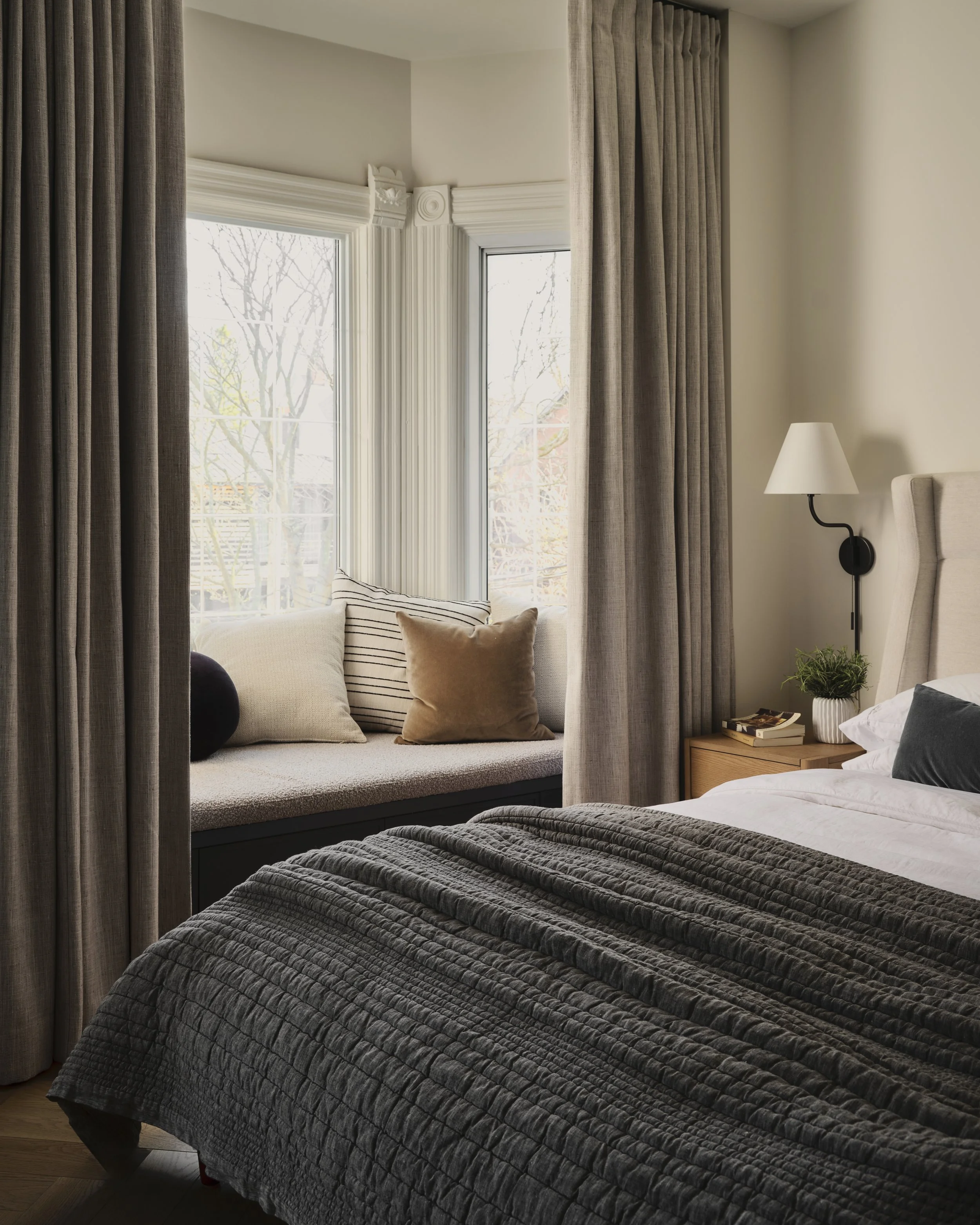
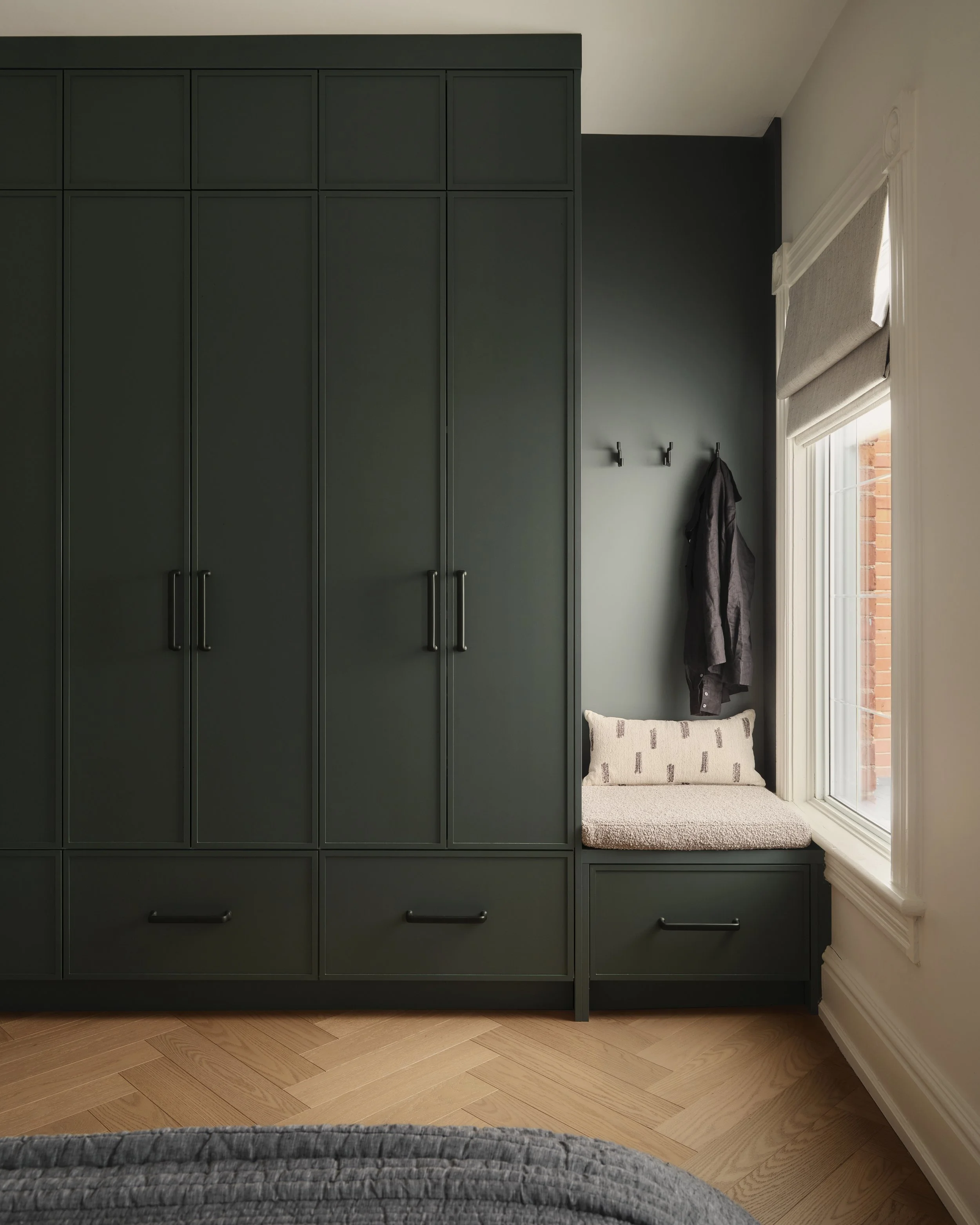
You walk into a store, see a beautiful chair, fall in love with the colour and shape, and bring it home - only to notice staining or wear almost immediately.
Or your kitchen counter looks perfect in the showroom, but after everyday use, you start to see marks you weren’t expecting.
What happened?
Usually, nothing went wrong - the material is simply behaving the way it was designed to.
Why Material Performance Matters in a Renovation
One of the least visible - but most important - parts of a successful renovation is understanding how interior design materials perform over time.
Every material comes with trade-offs. Some are incredibly durable but more understated. Others are visually striking but require more care.
The key is choosing materials that align with how you actually live.
This is something we guide our clients through early in every custom home design and renovation project.
Material selections aren’t just aesthetic - they determine how your home functions years after the renovation is complete.
Because once materials are built in - cabinetry, flooring, countertops - changing them later is expensive and disruptive.
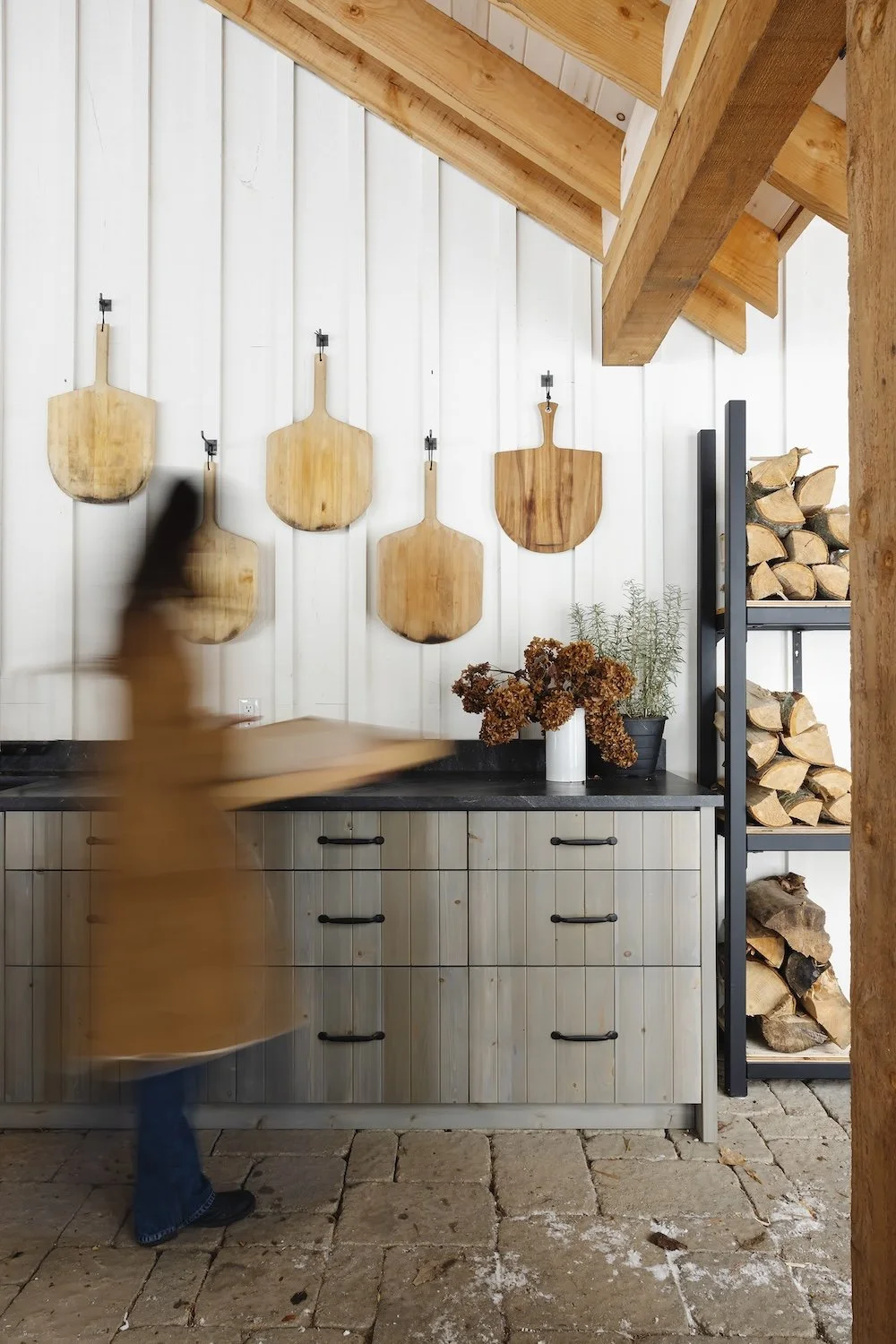
Natural Stone Countertops: Beauty vs. Everyday Use
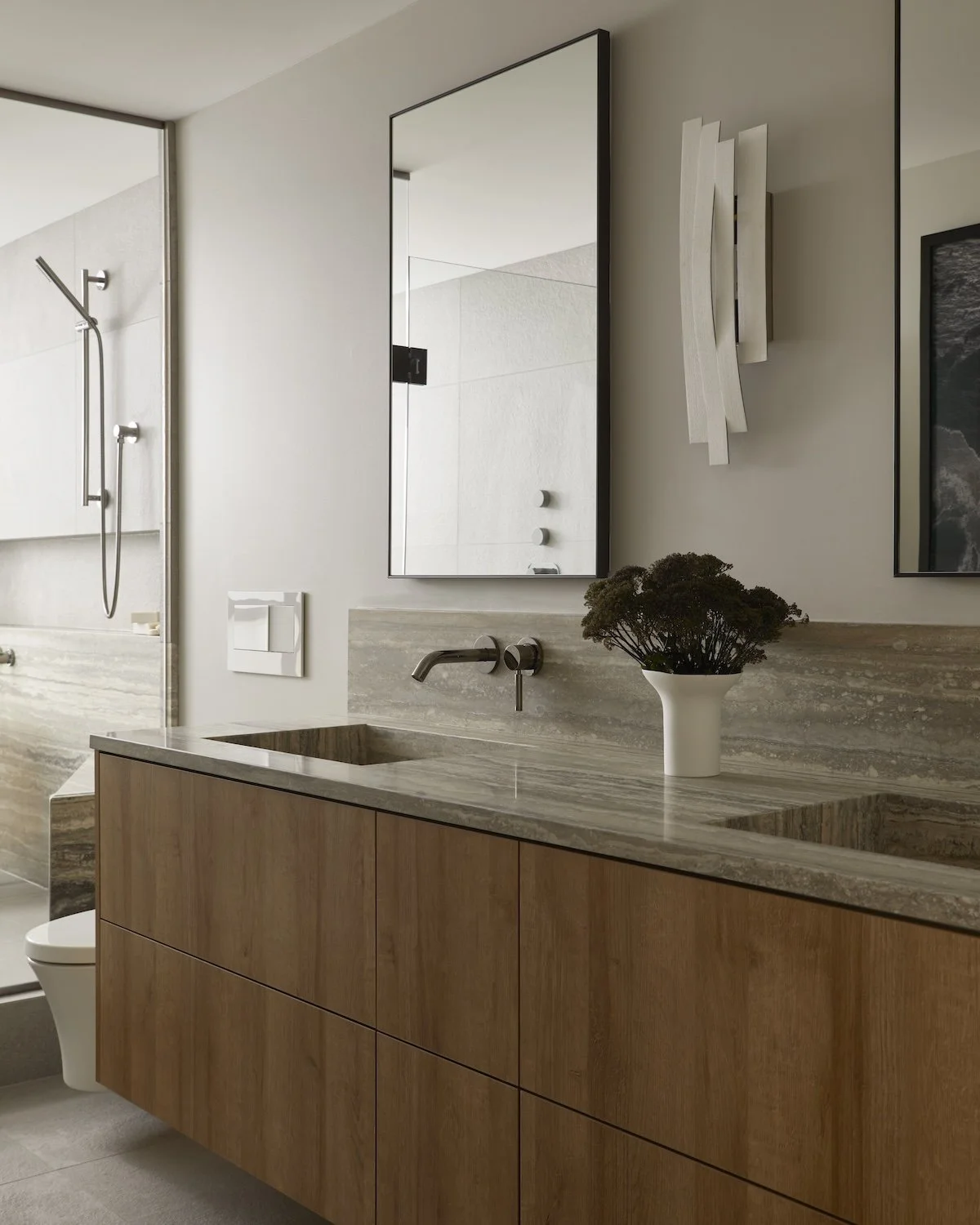
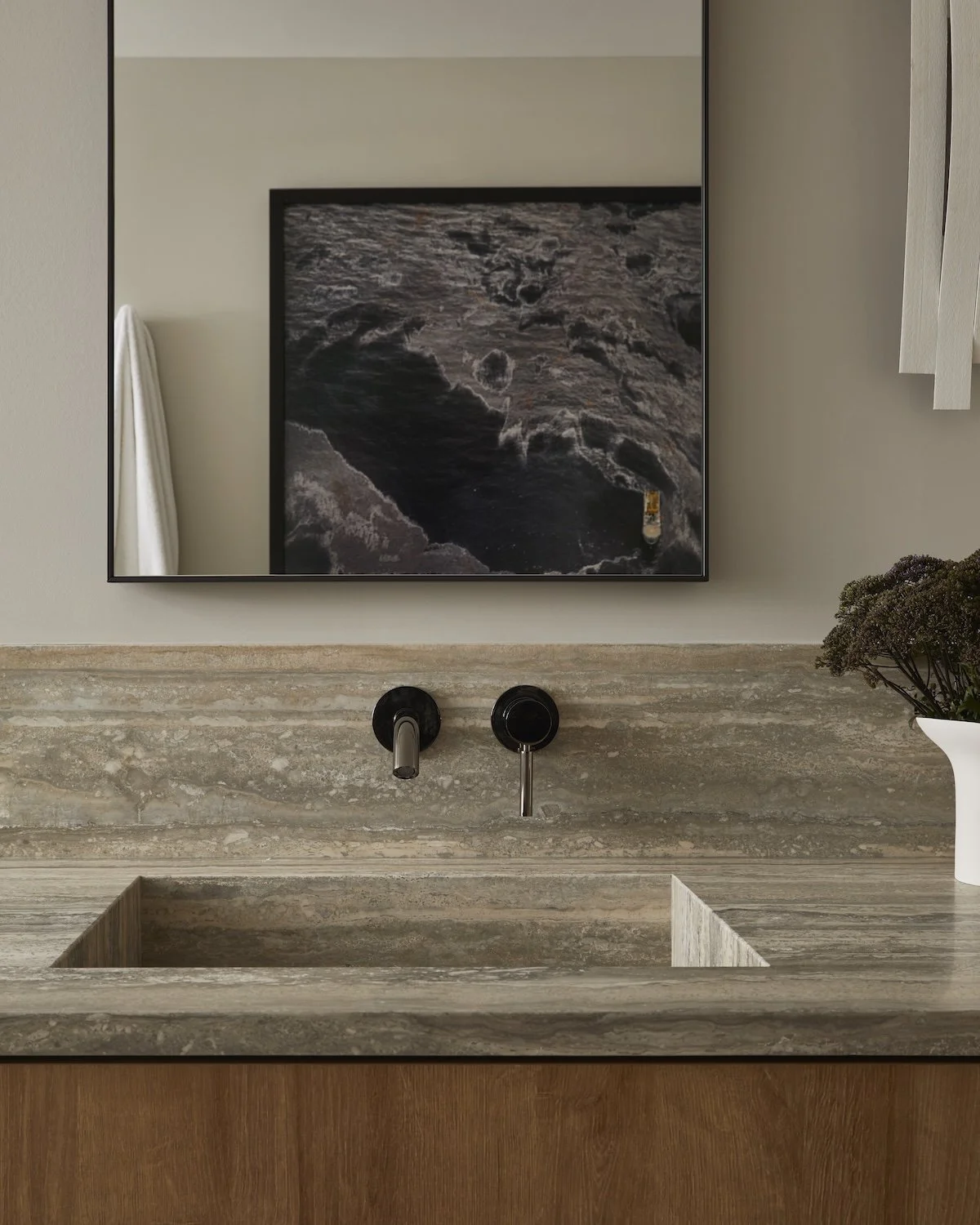
Natural stone is one of the most requested materials in kitchen and bathroom renovations. It’s timeless, durable, and completely unique.
But “durable” doesn’t mean maintenance-free.
Some stones - like marble and limestone - react to everyday ingredients like lemon, vinegar, or wine. Over time, this can leave soft, dull marks on the surface.
This isn’t damage - it’s part of how the material naturally ages.
Other changes, like staining, can happen when oils or liquids sit on the surface longer than expected.
Different stones perform very differently:
Quartzite is typically more resistant
Granite varies depending on the slab
Marble is softer and more reactive
This is why thoughtful kitchen design often uses different materials in different areas.
We may place more delicate stone where it creates visual impact, and use more durable surfaces in high-use prep zones.
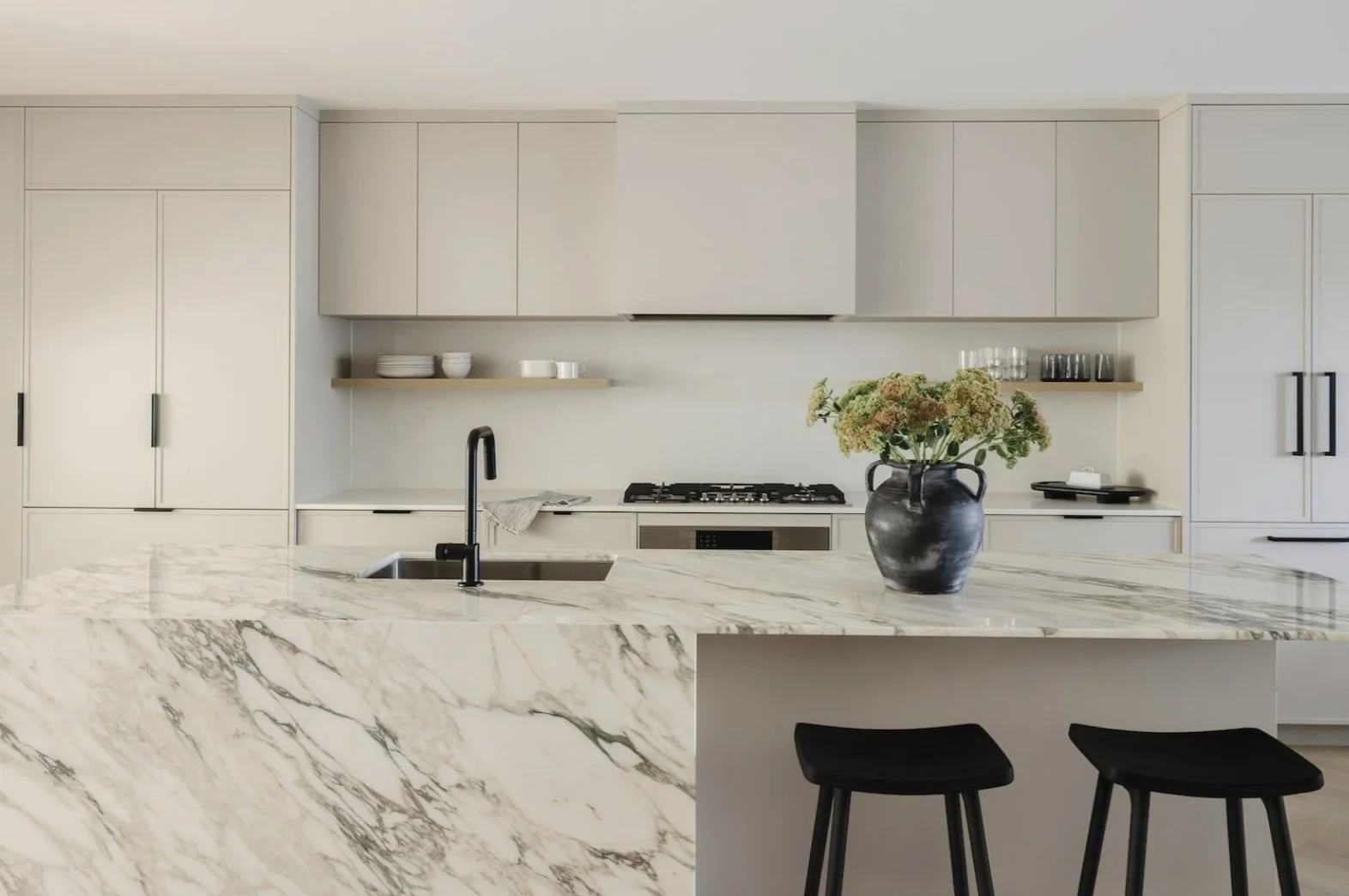
Best Countertop Materials: Similar Look, Different Performance
Many surfaces can look nearly identical - but behave very differently.
Choosing the best countertop material depends on how you use your kitchen.
Engineered quartz is non-porous and highly resistant to staining, making it a practical choice for many homes. However, it is less heat-resistant than natural stone.
Porcelain and sintered stone surfaces are designed to handle heat, staining, and UV exposure extremely well - making them ideal for both indoor and outdoor applications.
Each material solves a different problem - there is no one-size-fits-all solution.
Cabinetry Materials: What Most Homeowners Don’t Expect
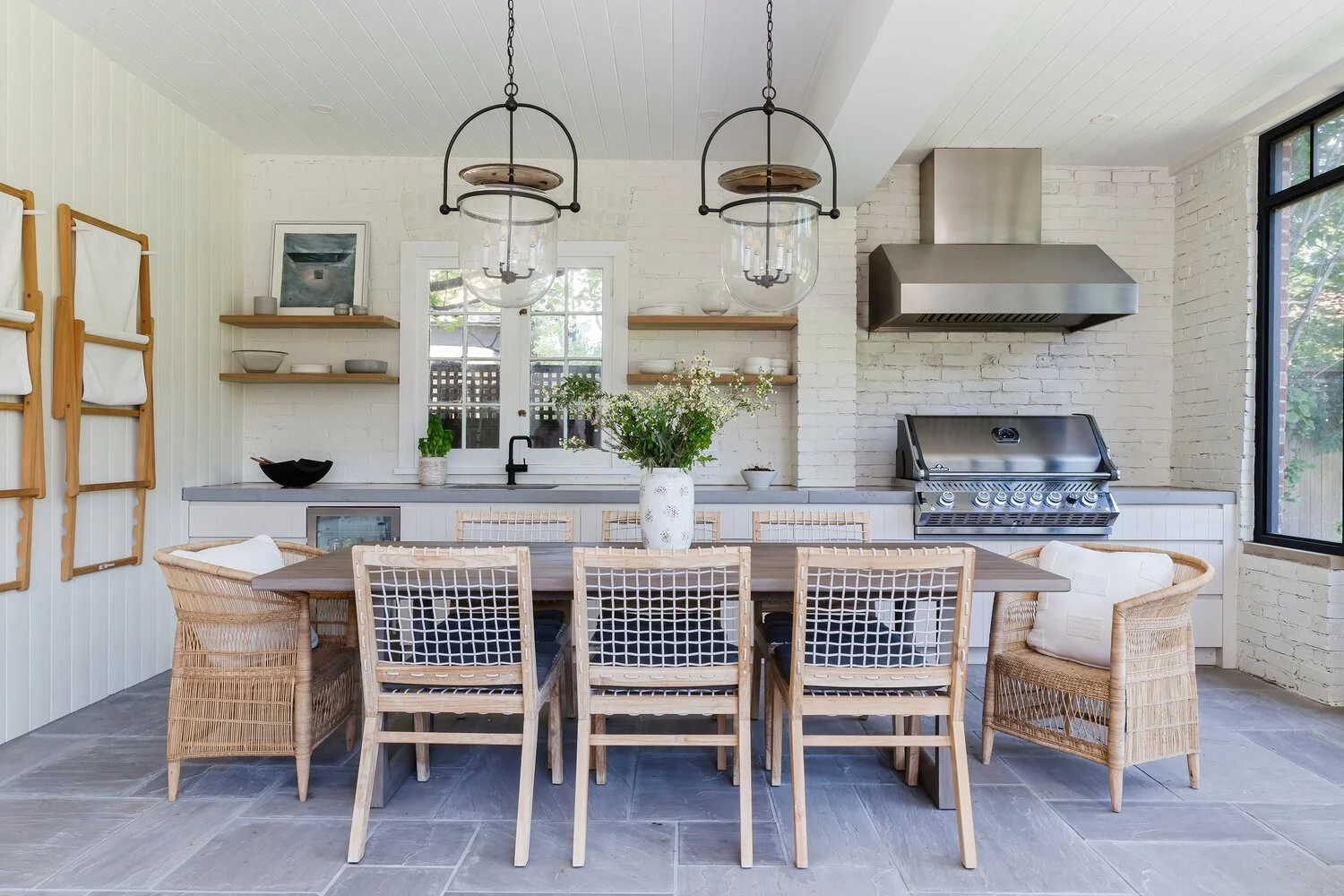
Cabinetry is often described simply - painted or wood - but the material behind it significantly affects how it ages.
Painted cabinetry will naturally show subtle changes over time.
Small hairline lines can appear at joints as materials respond to humidity. This is expected, and part of working with real materials.
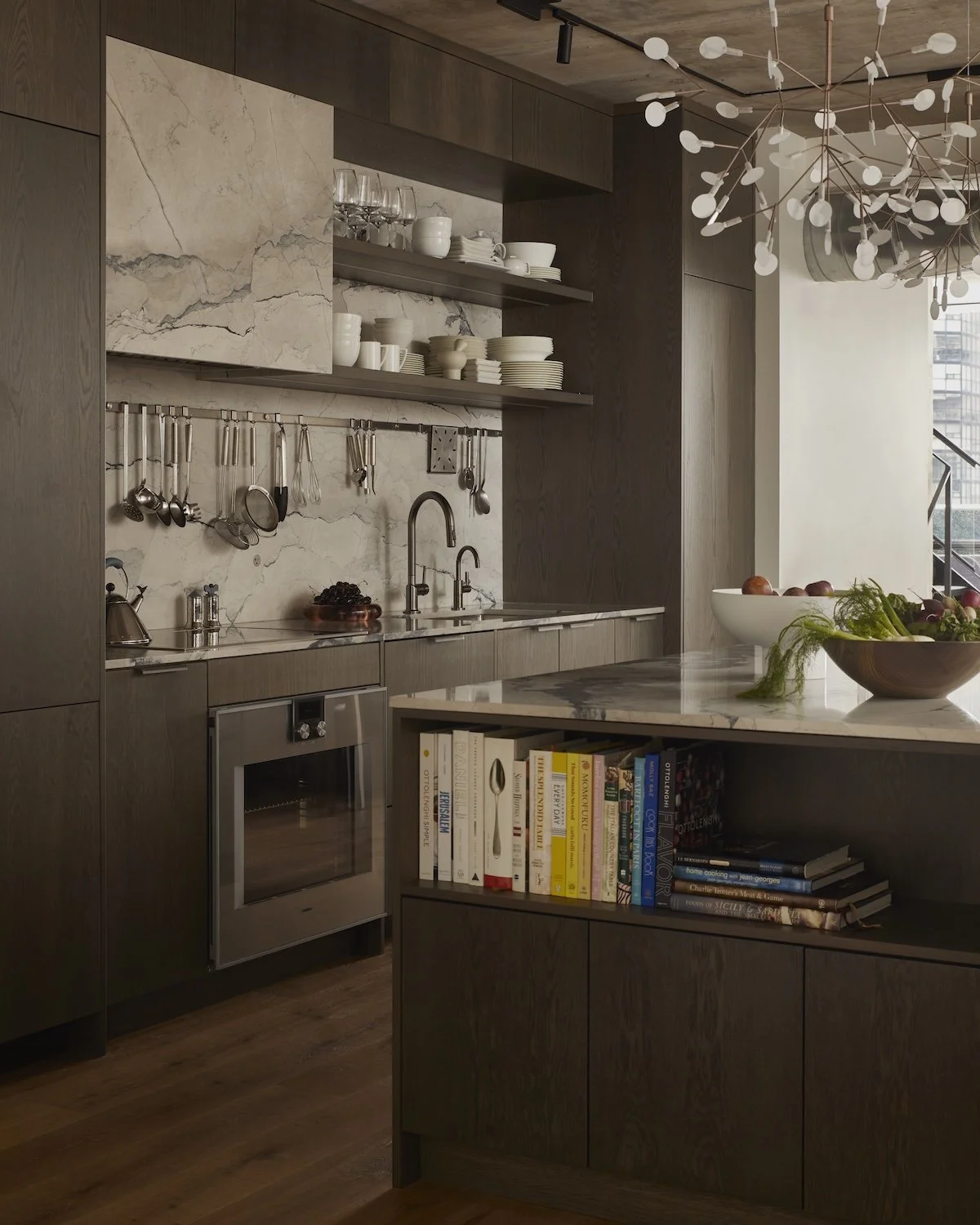
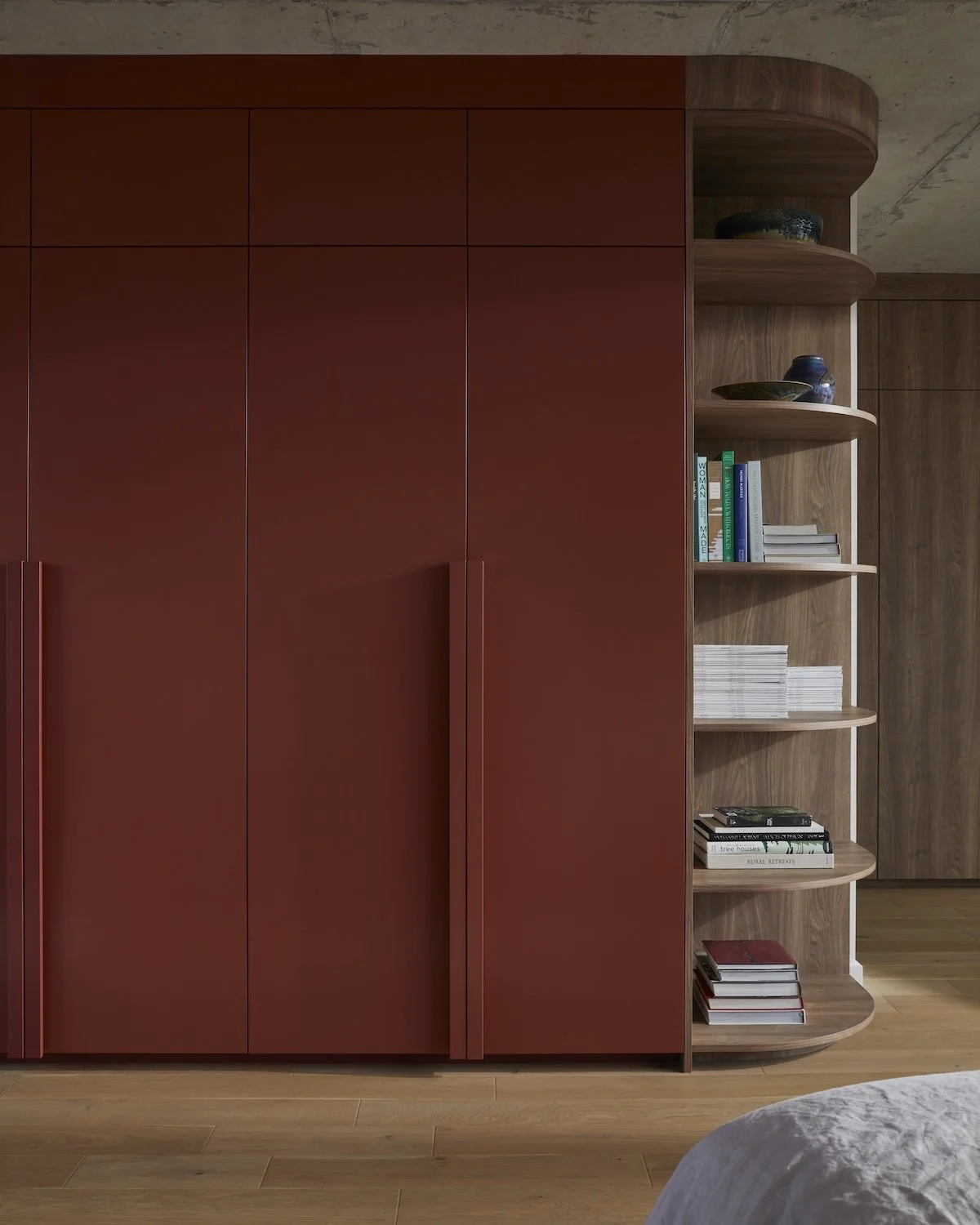
Wood veneer cabinetry offers more stability and consistency across larger surfaces.
Other materials, like laminates, are highly durable and low-maintenance - often used in more modern luxury home renovation projects.
The right choice depends on how you want your space to look - not just today, but years from now.
Wood Flooring: Why Similar Floors Age Differently
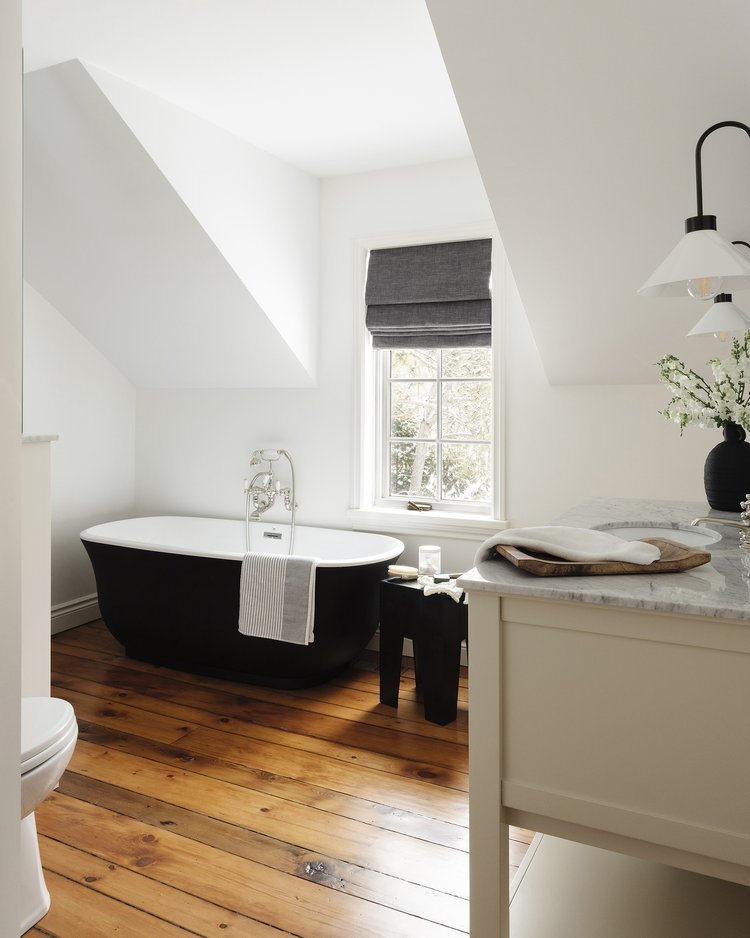
Two wood floors can look identical at installation - and perform very differently over time.
The difference comes down to construction and finish.
Engineered wood offers greater stability, especially for wider planks. The thickness of the top layer determines whether it can be refinished later.
Some finishes are extremely durable but harder to repair. Others allow for easier refinishing over time.
The best flooring choice depends on your lifestyle - not just aesthetics.
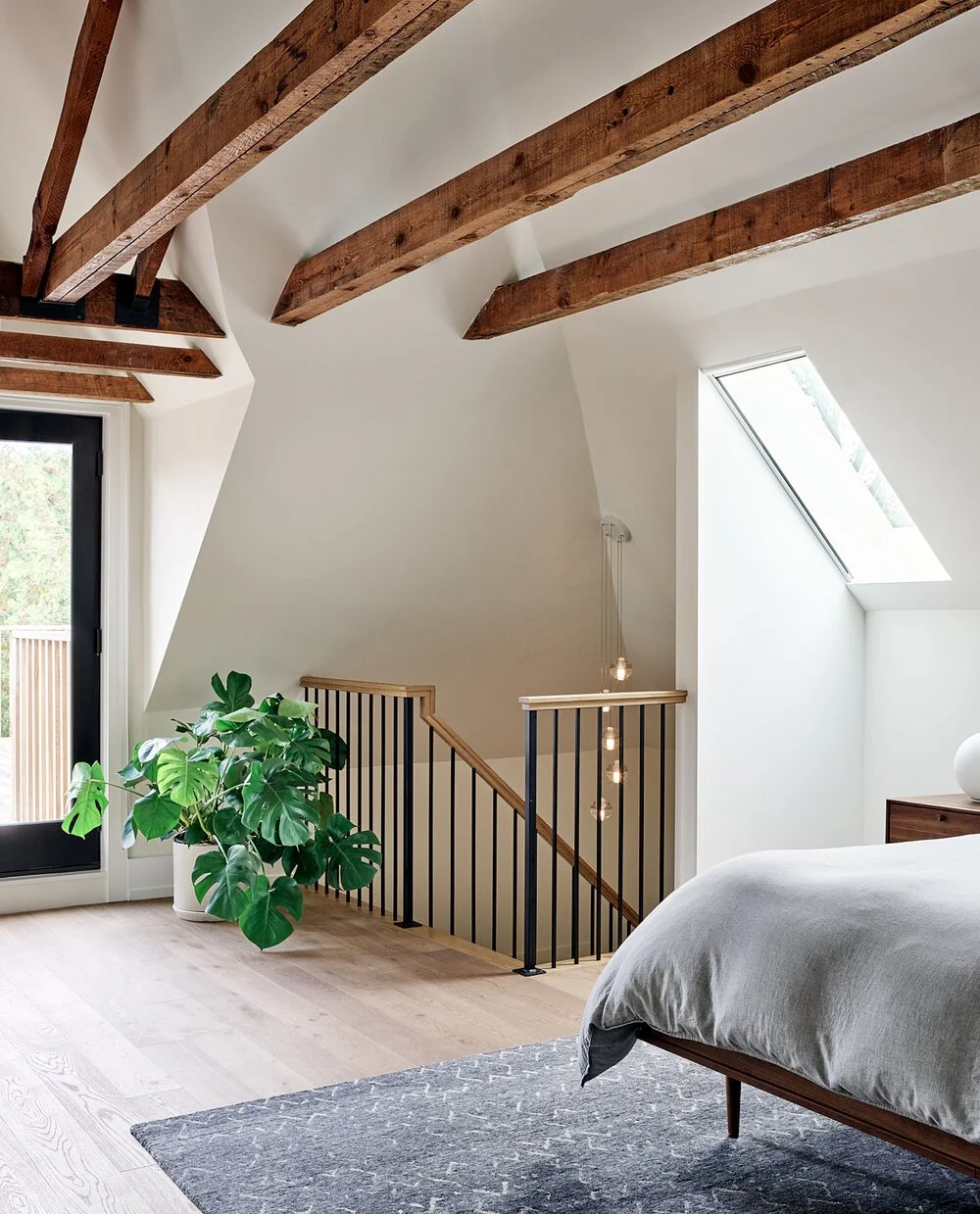
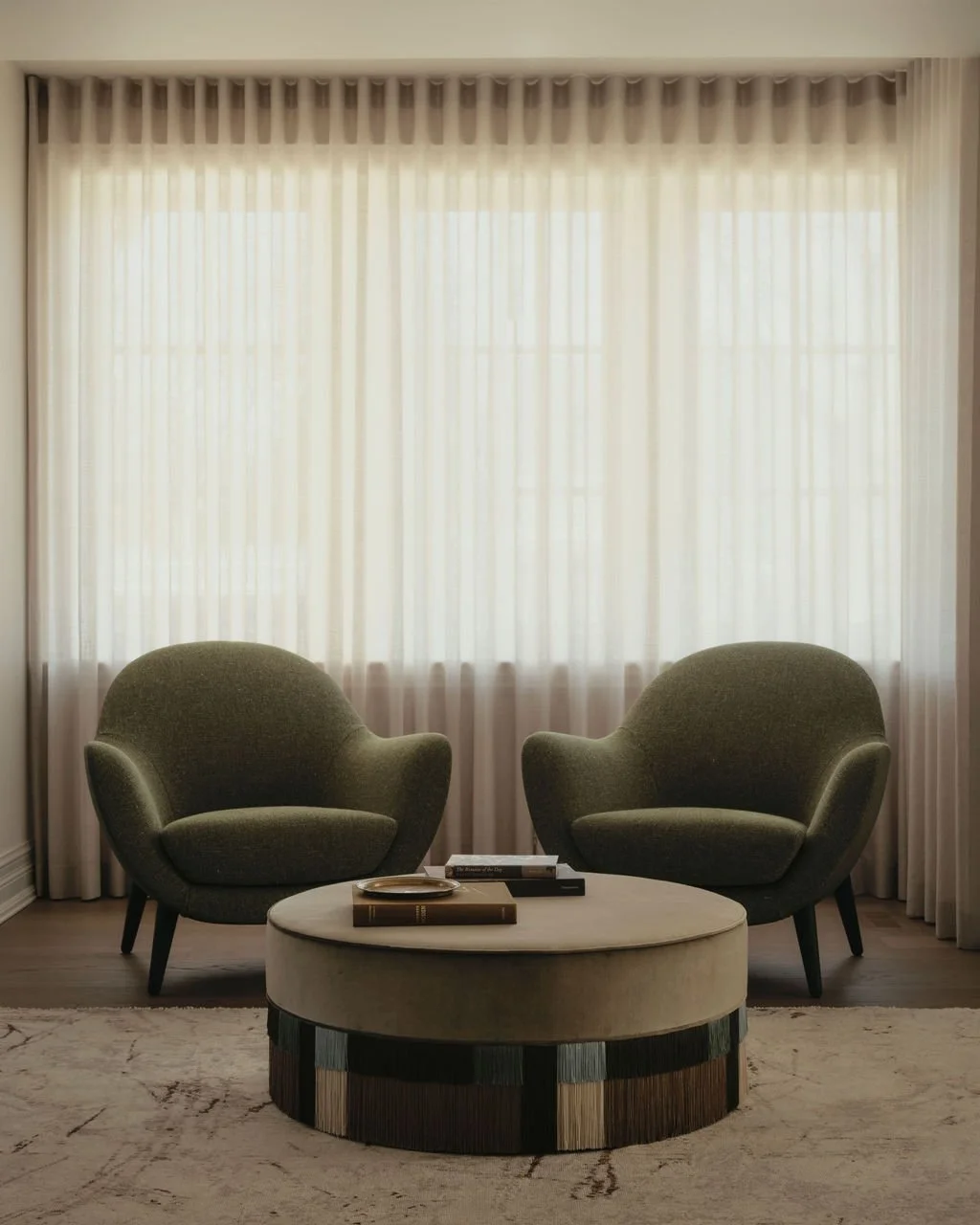
Upholstery & Fabric: Durability vs. Texture
Fabric selection plays a major role in how furniture wears.
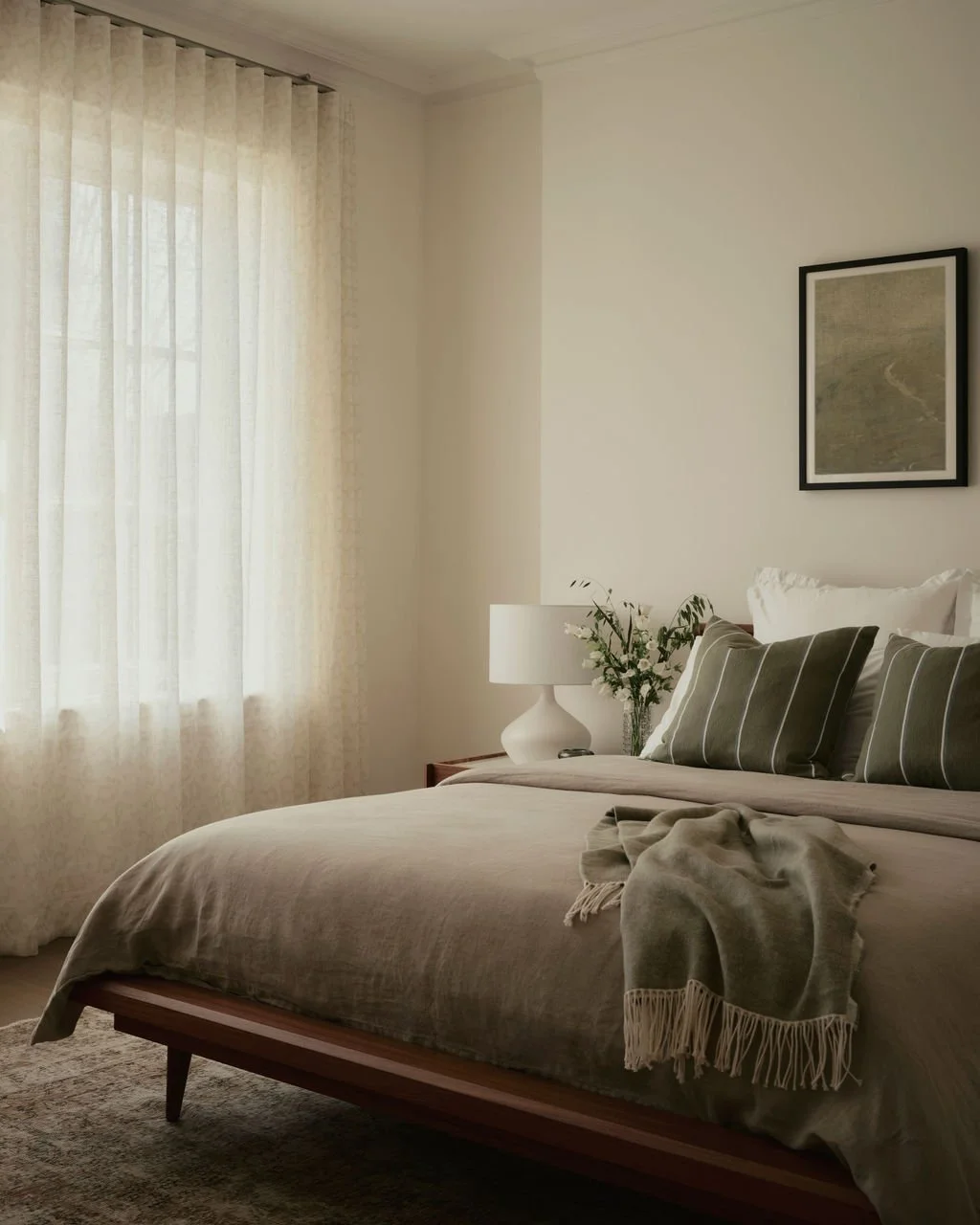
Natural materials like linen and cotton offer beautiful texture but can be more delicate.
Performance fabrics are designed to resist staining, fading, and everyday wear.
If you’ve ever noticed pilling, it’s simply the result of softer fibers reacting to friction over time.
This is why we always select fabrics based on how a space will actually be used.
Tile Installation: What You Don’t See Matters Most
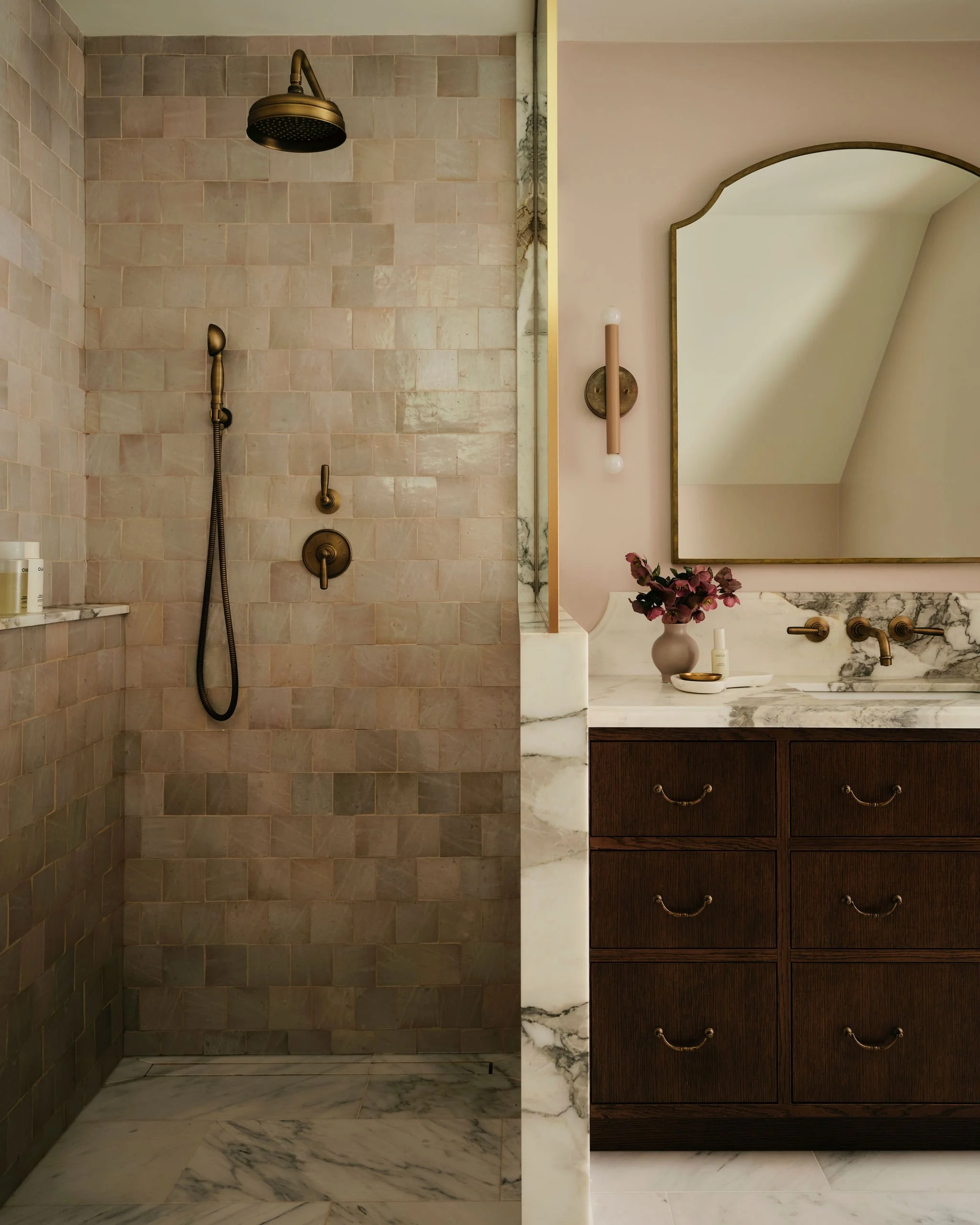
Tile is inherently durable - but the installation is what determines longevity.
Without proper support and flexibility, cracking can occur over time.
Details like underlayment and grout type aren’t visible - but they make a significant difference in long-term performance.
The success of a tile installation is determined long before the tile is laid.
Metal Finishes: Designed to Age - or Not
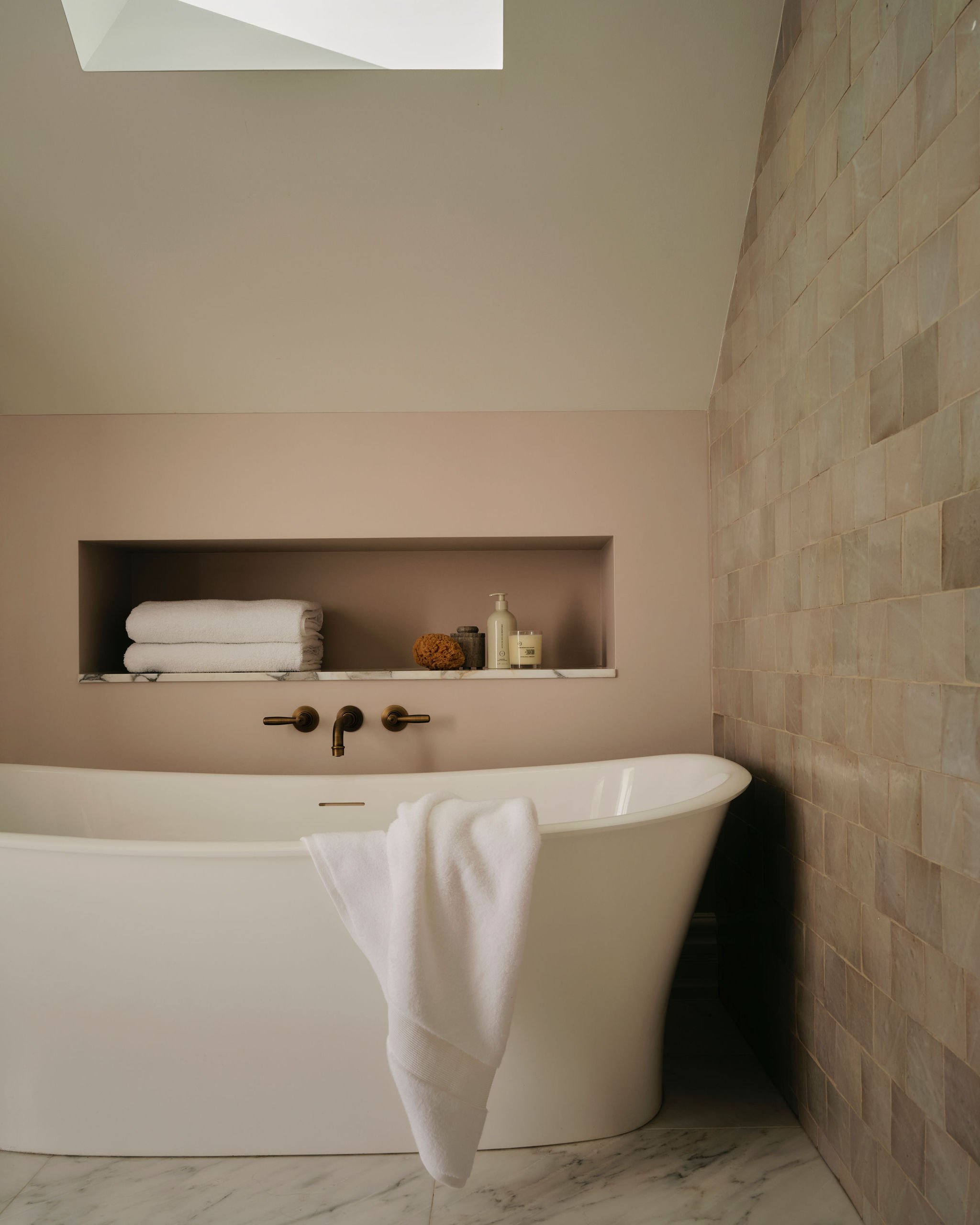
Metal finishes fall into two categories: those that evolve, and those that remain consistent.
Unlacquered brass develops a natural patina over time, especially in high-touch areas.
Some clients love this lived-in character - others prefer a finish that stays the same.
Modern finishes are designed to resist wear and maintain their appearance with minimal upkeep.
Neither is better - it depends entirely on your preference.
Designing a Home That Lasts
A well-designed renovation isn’t about choosing the most durable material for everything.
It’s about using the right material in the right place.
Statement materials where visual impact matters
Durable surfaces where daily use is highest
Stable finishes where consistency is key
These decisions don’t always show up in photos - but they shape how your home feels to live in every day.
Because the best design decisions are often the ones you never have to think about again.
Material selection is one of the most important parts of any renovation - and one of the easiest places to get wrong.
If you’re planning a renovation and want guidance making the right decisions from the start, we’d love to help.