
Designing a Forever Home
How to Make Decisions That Last
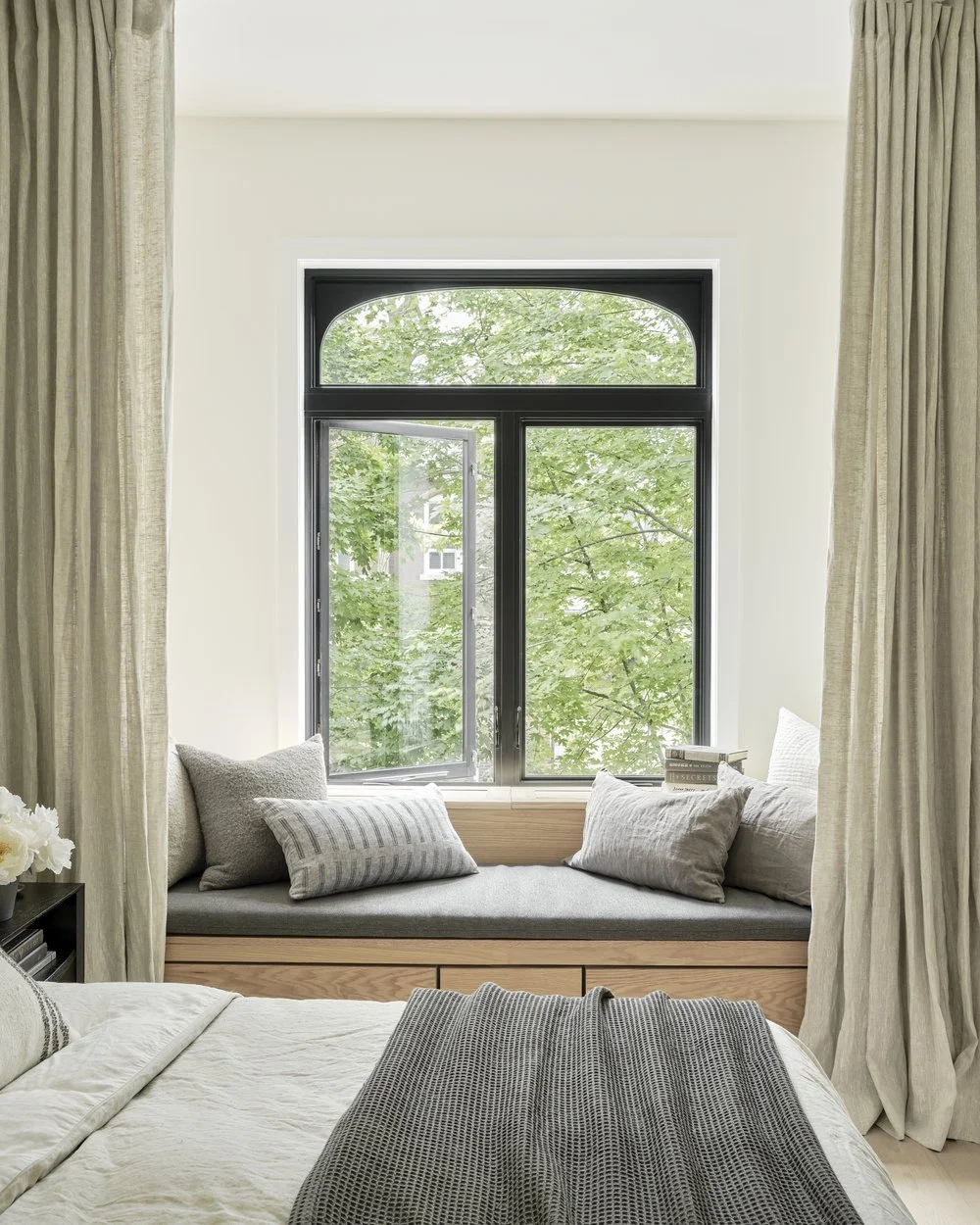
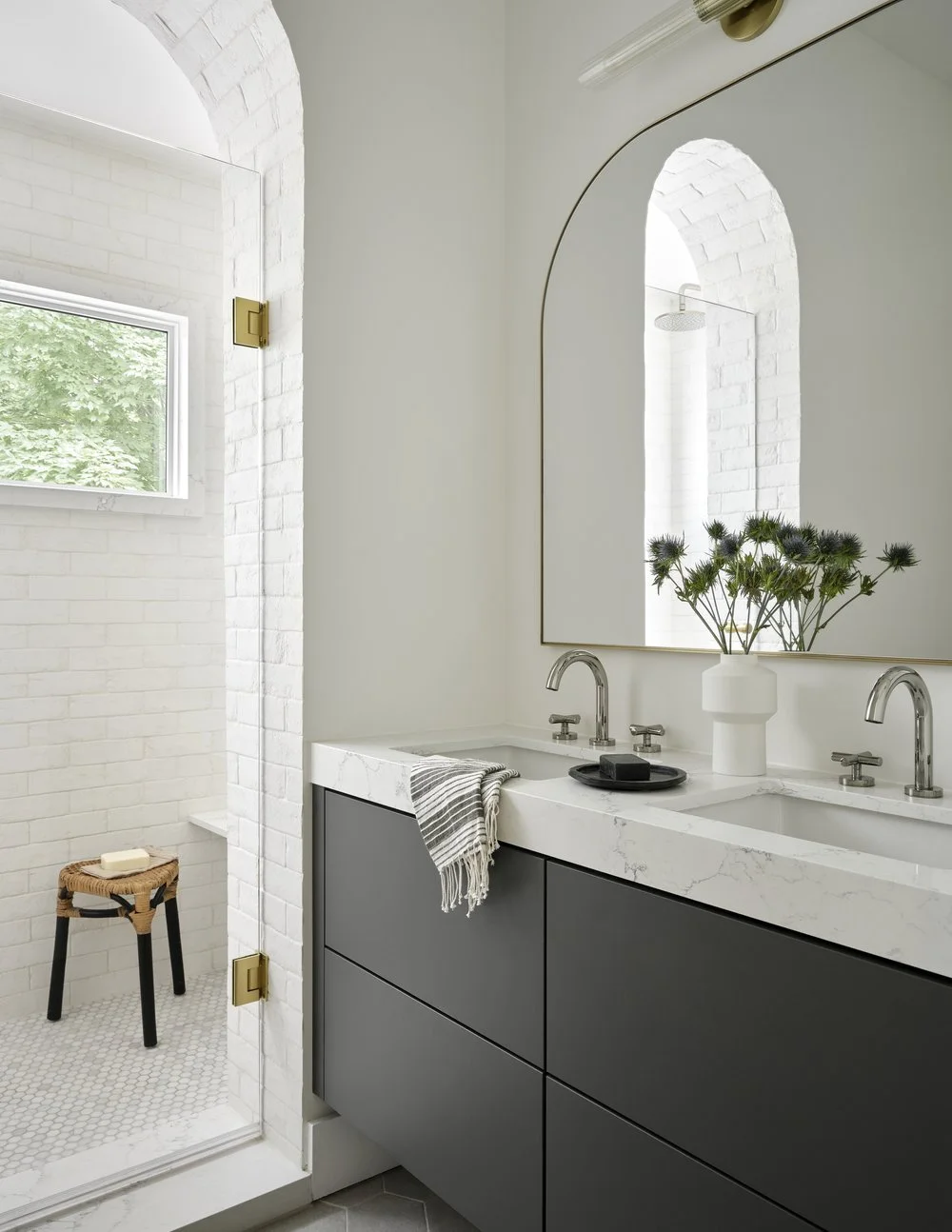
As designers, we've worked with a wide range of clients over the years, and one common thread consistently emerges: people want the decisions they make today to be good long-term investments. Designing a forever home isn't about creating a space that never changes - decor can always come and go. It's about making thoughtful decisions to the foundation of your home that continue to support your life as it evolves.
Let's chat about them!
Prioritize the Decisions That Are Hard to Change
Not all design decisions carry equal weight. The biggest focus should be getting the foundational elements right - those that are difficult, disruptive, or costly to change later.
This includes:
Layout and space planning
Storage
Plumbing locations
Thoughtful lighting
Built-ins
These are the bones of your home, and they should be designed to support not only your current lifestyle, but also how your needs may shift over time.
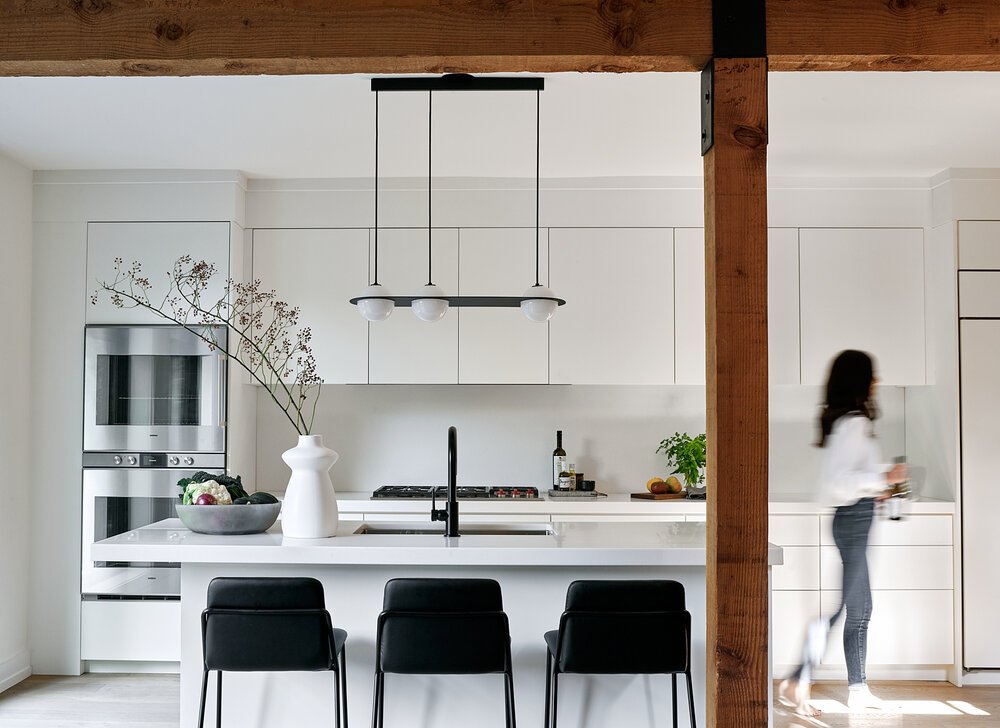
For example, consider how your kitchen functions beyond today. Is there enough storage to grow into? Is the layout efficient for multiple users? Could it accommodate different stages of life - young children, teenagers, or aging in place?
By contrast, elements like paint colours, lighting fixtures, and decor can be updated relatively easily. This approach means investing more energy and budget into what's permanent, and allowing the more changeable layers to evolve over time.
Take a Whole-Home Approach
When a client comes to us for a renovation they'd like to phase for budget reasons, we always consider the home as a whole rather than piecemealing the design room by room.
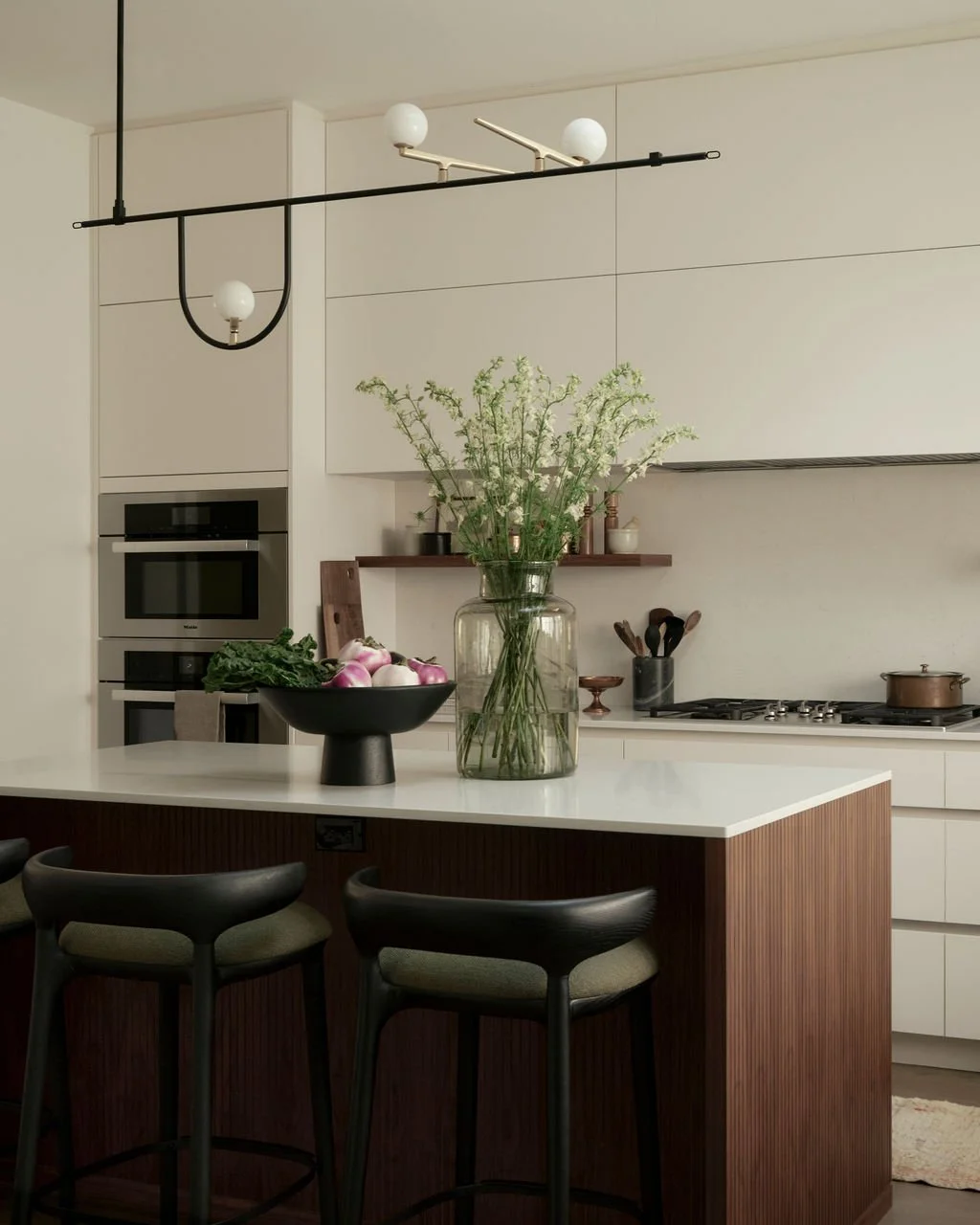
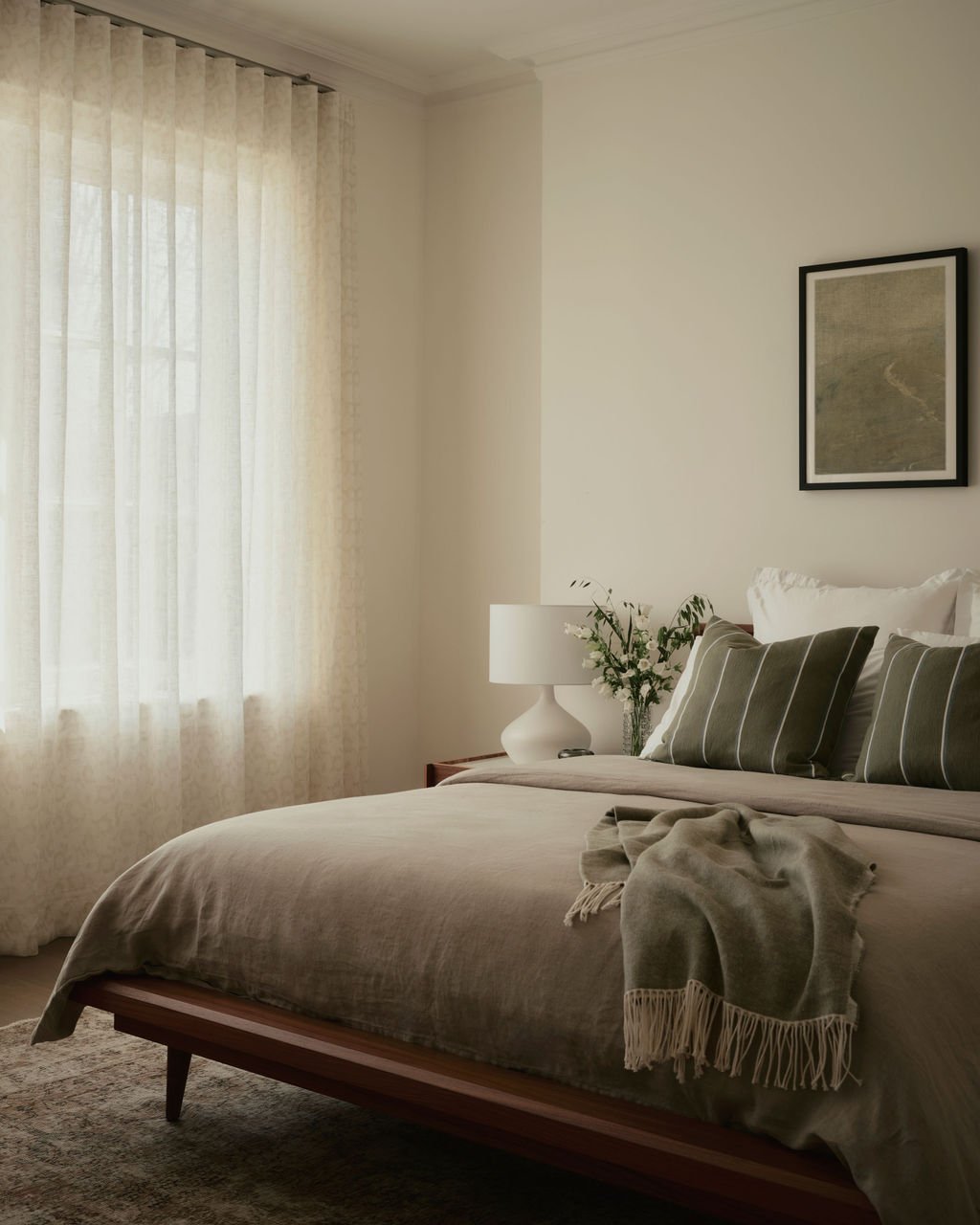
Forever homes benefit from being designed with a cohesive feel that's intuitive and thoughtful.
This doesn't mean everything needs to match - but there should be a sense of continuity in how spaces connect and flow. Repeating certain materials, finishes, or tones throughout the home creates a subtle thread that ties everything together.
It also allows for more flexibility over time. When the overall palette and foundation are consistent, individual rooms can evolve without feeling disconnected from the rest of the home.
Invest Where It Matters, Be Flexible Where It Doesn't
A key principle in timeless home design is knowing where to invest and where to stay flexible.
Invest in:
Quality cabinetry
Solid wood doors and timeless trim
Hardwood flooring
Well-considered millwork
These are the elements that anchor your home and will see the most use over time. In the kitchen, for example, we'd prioritize high-quality cabinetry and a classic stone countertop that will stand the test of time.
You do pay a premium for real materials - but they often last longest and age most beautifully.
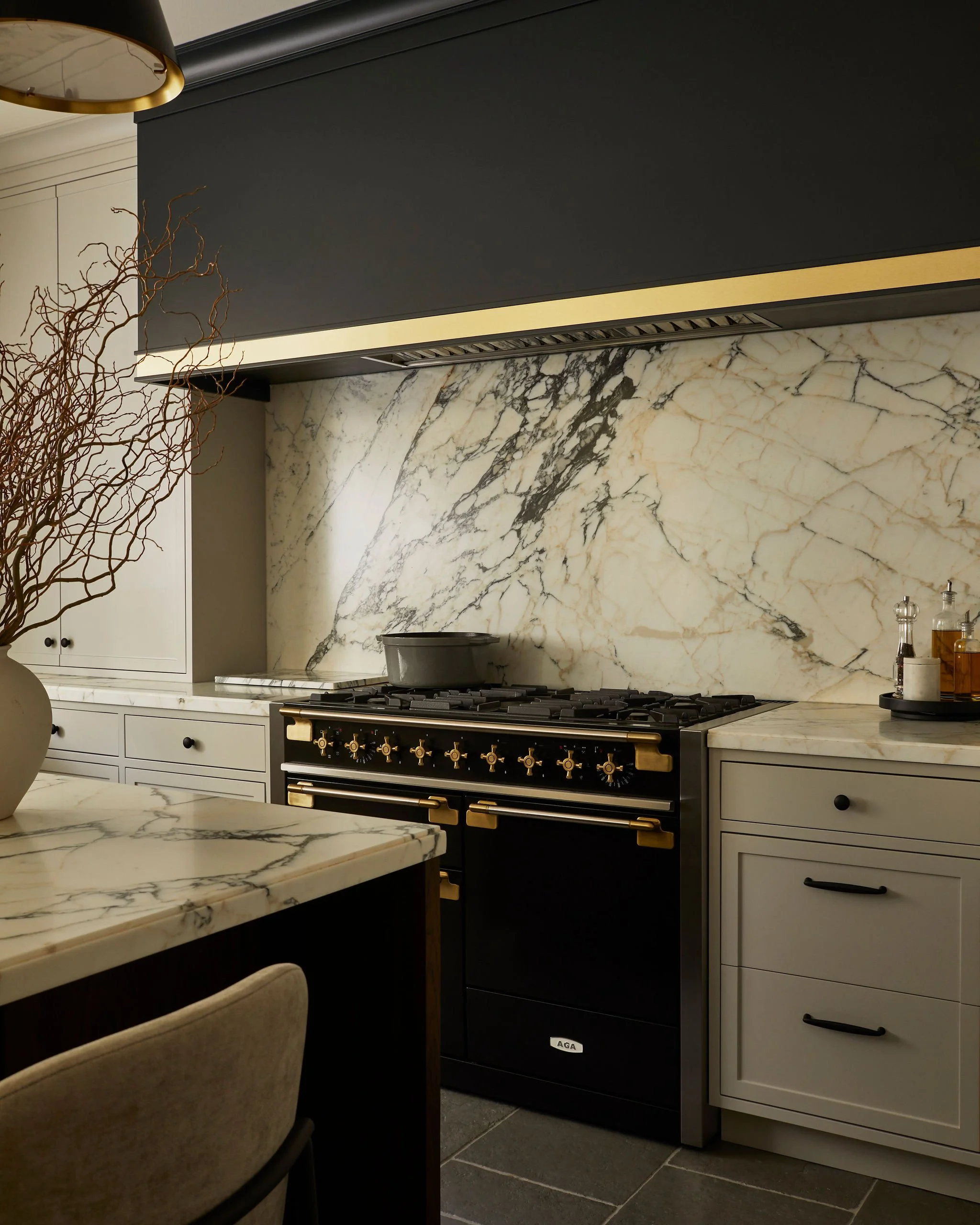
Project Unionville (Sneak Peek!)
When budget permits, choosing a natural stone countertop (whether marble or the more durable quartzite) improves timelessness since stone has been around forever. By contrast, a dramatic porcelain countertop will quickly date your home to the 2020s, the period when it rose to popularity.
Stay flexible with:
Textiles
Decor
Certain lighting choices
These layers can be refreshed as your tastes evolve, without requiring a full redesign.
A Moment for Styling: Mix Old and New for Depth and Longevity
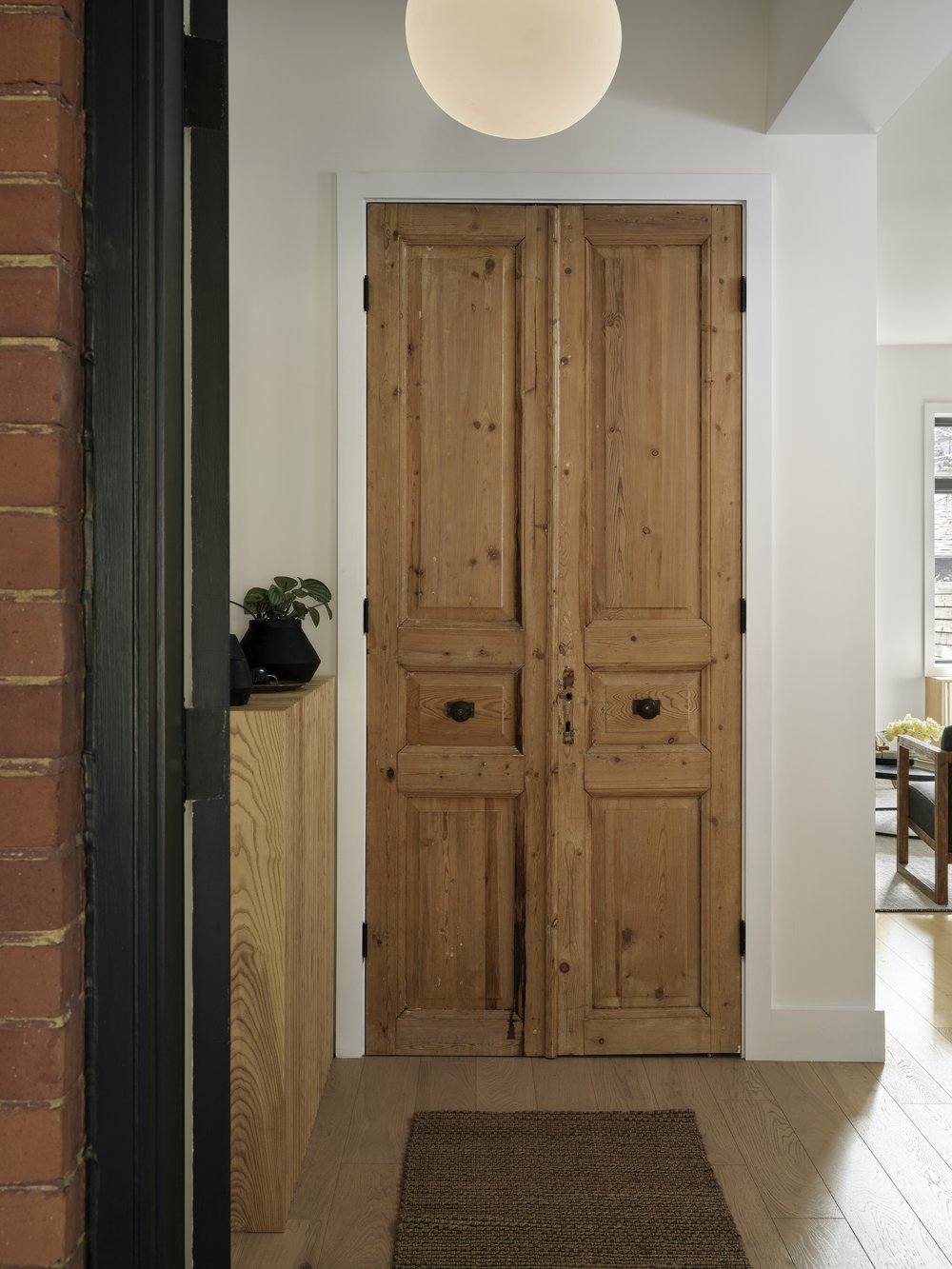
Just as wearing head-to-toe trends can feel overdone, the same holds true for interiors.
A space filled entirely with trend-driven pieces often becomes dated quickly because it's tied to a single moment in time.
Incorporating vintage elements is one of the most effective ways to counter this. Whether it's a reupholstered vintage roll arm sofa or a unique vintage light fixture, these pieces bring character and a sense of history that newer items often lack.
Vintage pieces have already proven their staying power. When paired with newer elements, they create contrast and depth - resulting in a space that feels layered rather than one-note.
Even small additions - like a vintage pendant or flush mount - can elevate a room beyond what big-box sourcing alone can achieve.
A Home That Evolves With You
Ultimately, a forever home is not about getting everything perfect from day one. It's about creating a strong, thoughtful foundation that allows your home to grow and change alongside you.
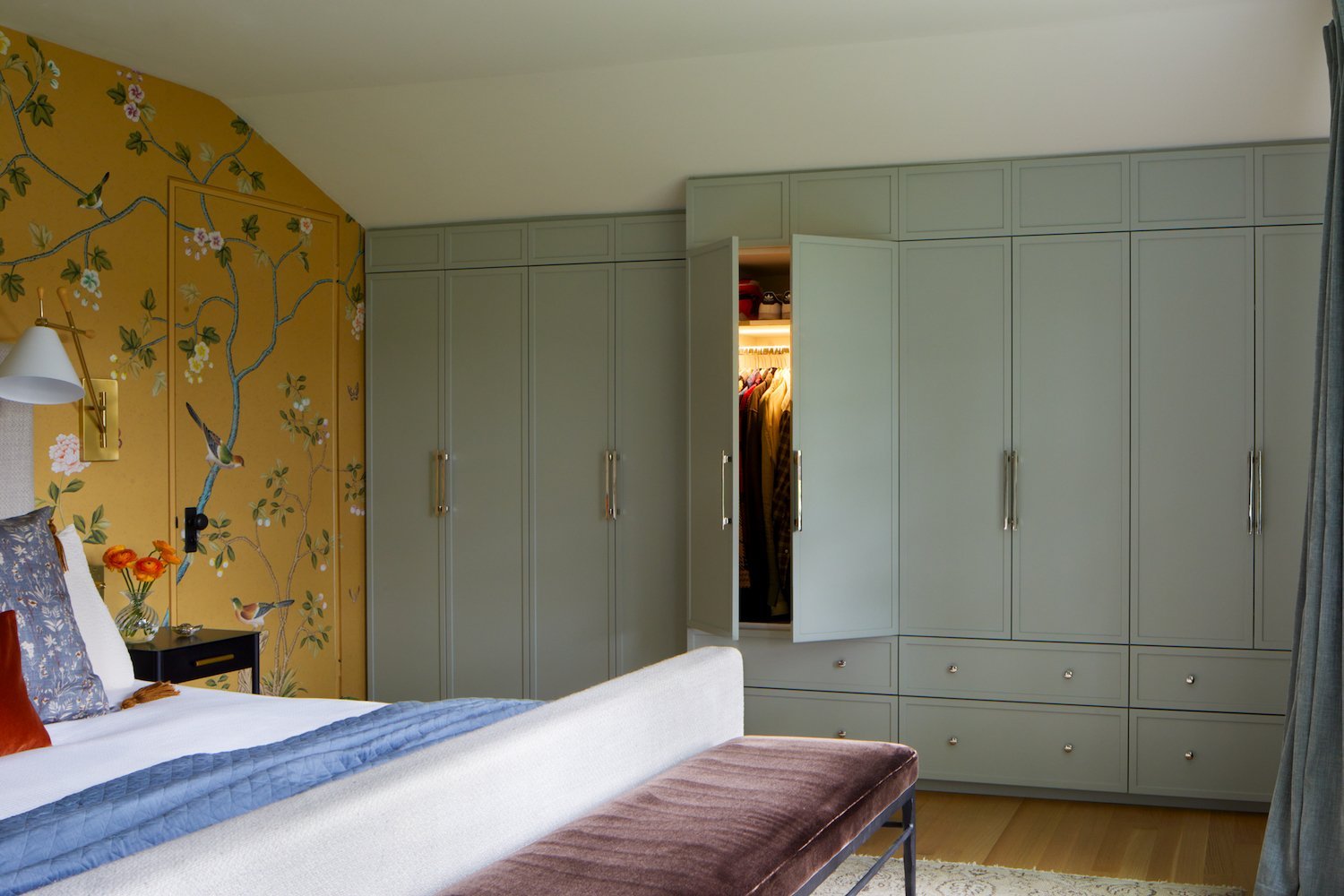
By prioritizing function, investing in the right elements, and designing with a whole-home perspective, you create a space that doesn't just reflect a moment in time - but continues to support and inspire you for years to come.