
Lighting Design
The Most Overlooked Element in a Home
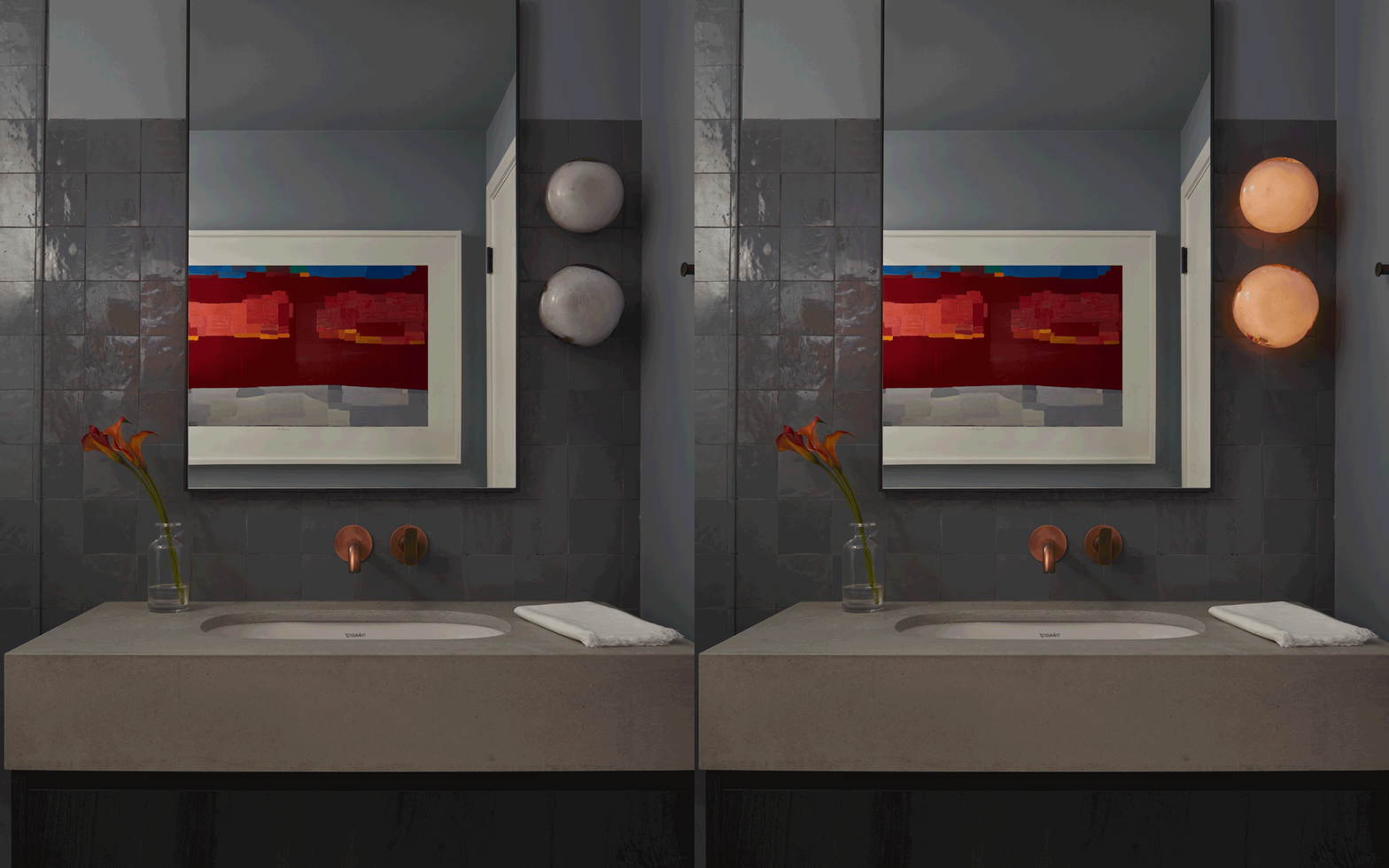
You can choose the perfect marble. Commission beautiful millwork. Invest in custom furniture.
And still end up with a house that feels…slightly off.
When a home feels cold at night, flat during the day, or just slightly uncomfortable to sit in, it is almost always a lighting issue.
Not a furniture issue.
Not a paint issue.
A lighting strategy issue.
And no - it’s not just about bulb colour.
(Although since you might be wondering: 2700K is our go-to.)
This is something we guide our clients through early in every project - as part of our full-service design process.
“How Many Pot Lights Do I Need?”
Fewer than you think.
Recessed lighting has its place. We use it often. But when ceilings turn into grids of evenly spaced downlights, materials lose depth and rooms start to feel exposed instead of layered.
More light does not equal better light. It usually equals flatter light.
Too many pot lights is one of the most common renovation mistakes we see.
Where Recessed Lights Actually Go
Placement is everything.
One of the most frustrating execution errors is recessed lights installed directly over where someone stands - casting a shadow across the countertop or island.
You’re technically well lit.
Functionally, you’re in the dark.
Downlights should respond to:
Cabinet depth
Millwork alignment
Furniture placement
Art location
Beam spread
If lighting isn’t coordinated with architecture, it exposes the misalignment.
This is why lighting decisions happen on reflected ceiling plans - not during fixture shopping, and definitely not during install week.
In our process, lighting is coordinated alongside millwork drawings, furniture layouts, HVAC, and ceiling details. Because it conflicts with all of it.
Once drywall goes up, flexibility disappears.
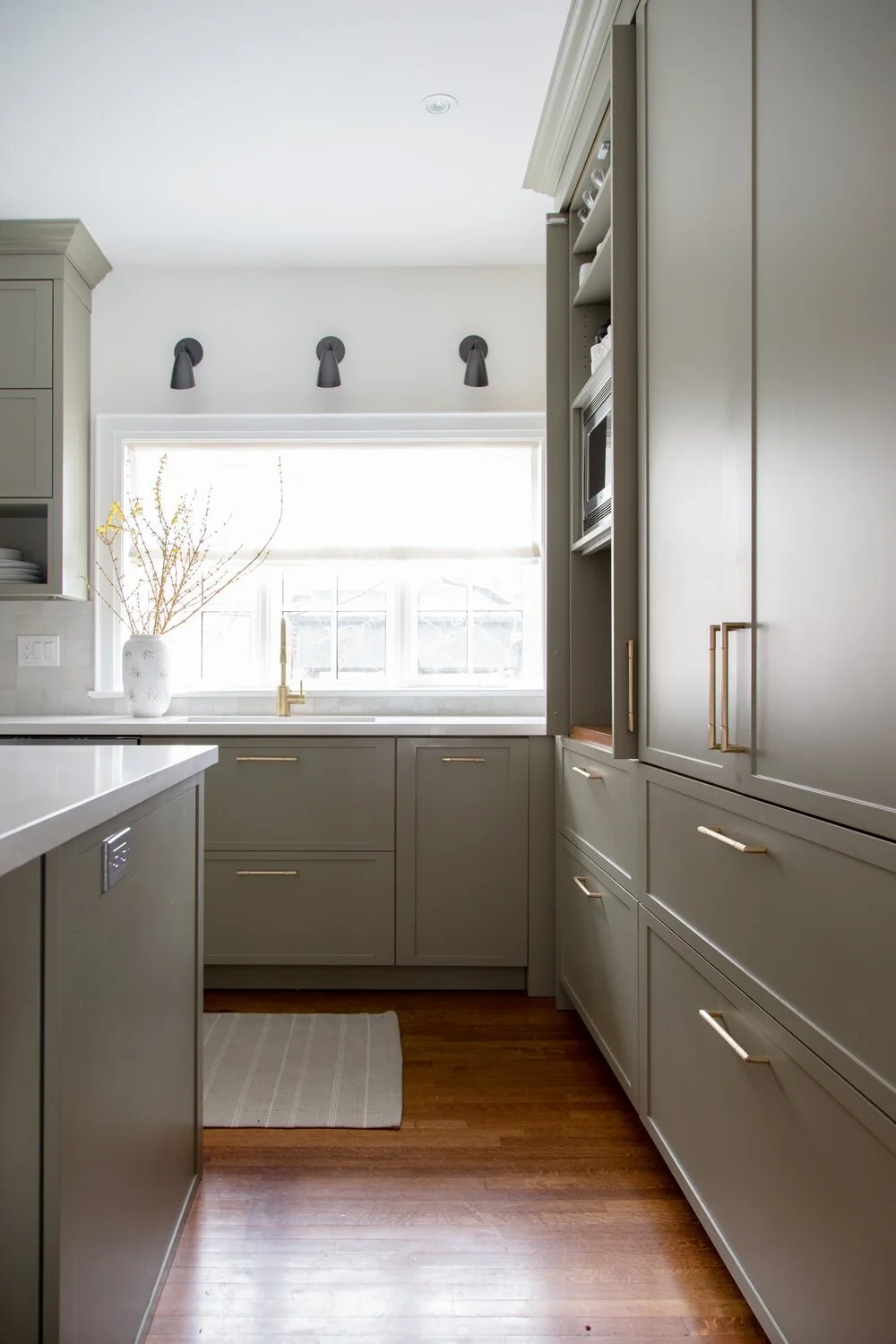
“What Colour Temperature Should My House Be?”
For residential interiors, we specify 2700K. Not cool white. Not whatever was on sale.
But colour temperature is only part of it.
Two things matter just as much:
Consistency. Mixing temperatures room to room creates subtle tension.
Compatibility. With most suppliers moving to integrated LED fixtures, coordination with dimming systems is critical.
If switches and fixtures aren’t aligned properly, you get flickering.
And nothing undermines a beautiful renovation faster than flicker.
We typically coordinate lighting with systems like Lutron or Forbes & Lomax to ensure seamless dimming and control.
Because lighting should feel effortless - not technical.
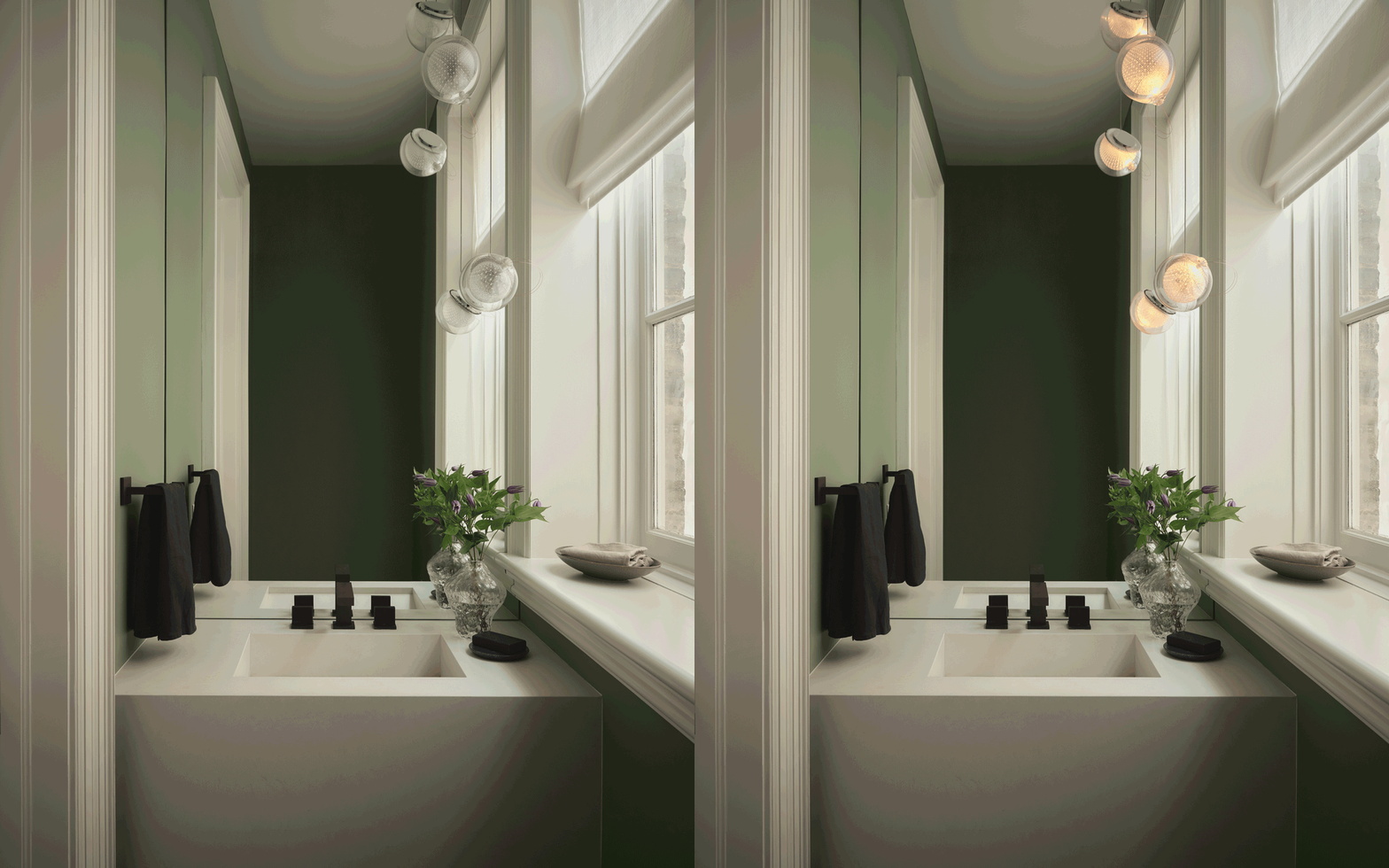
Why Kitchens Feel Harsh at Night
Kitchens are where lighting mistakes reveal themselves most quickly.
During the day, natural light hides everything. At night, poor planning shows up immediately.
Common issues:
Over-reliance on overhead pot lights
No under-cabinet task lighting
Decorative pendants that create blind spots
No layered dimming
A kitchen should not feel like an operating theatre at 8:30 p.m.
It needs:
Focused task lighting
Soft ambient lighting
Dimmable island lighting
Secondary light sources for evenings
Layering is what makes a kitchen feel architectural instead of clinical.
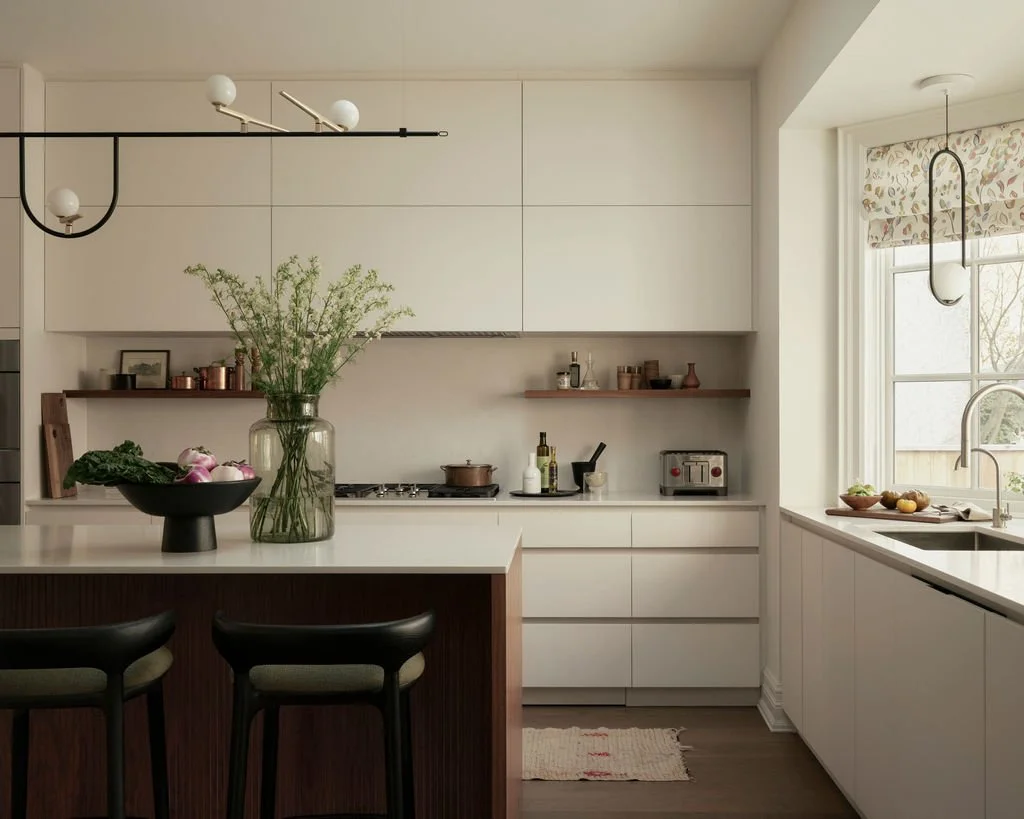
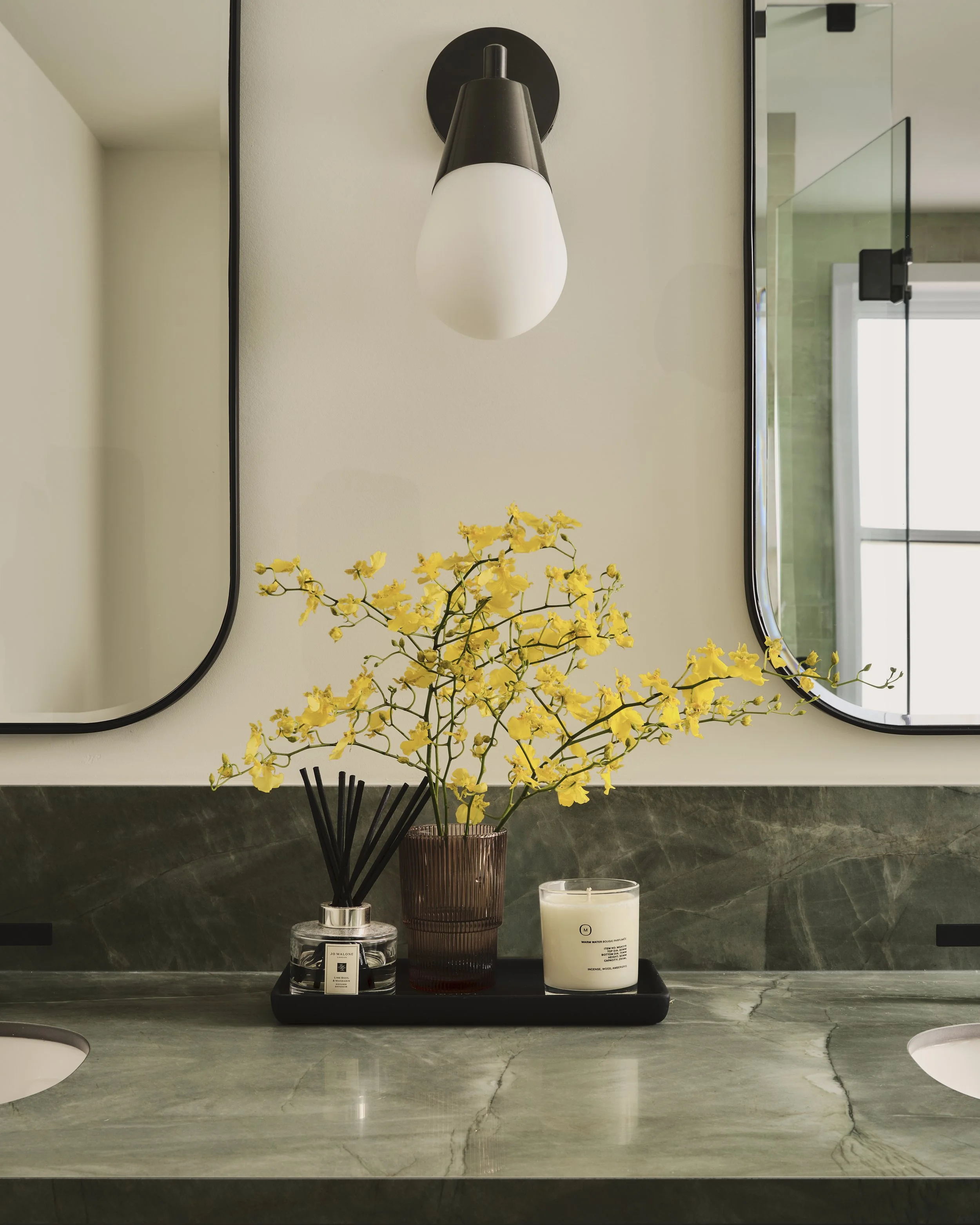
The Vanity Mistake
The single overhead vanity light.
It casts downward shadows. It’s unflattering. It’s unnecessary.
Better:
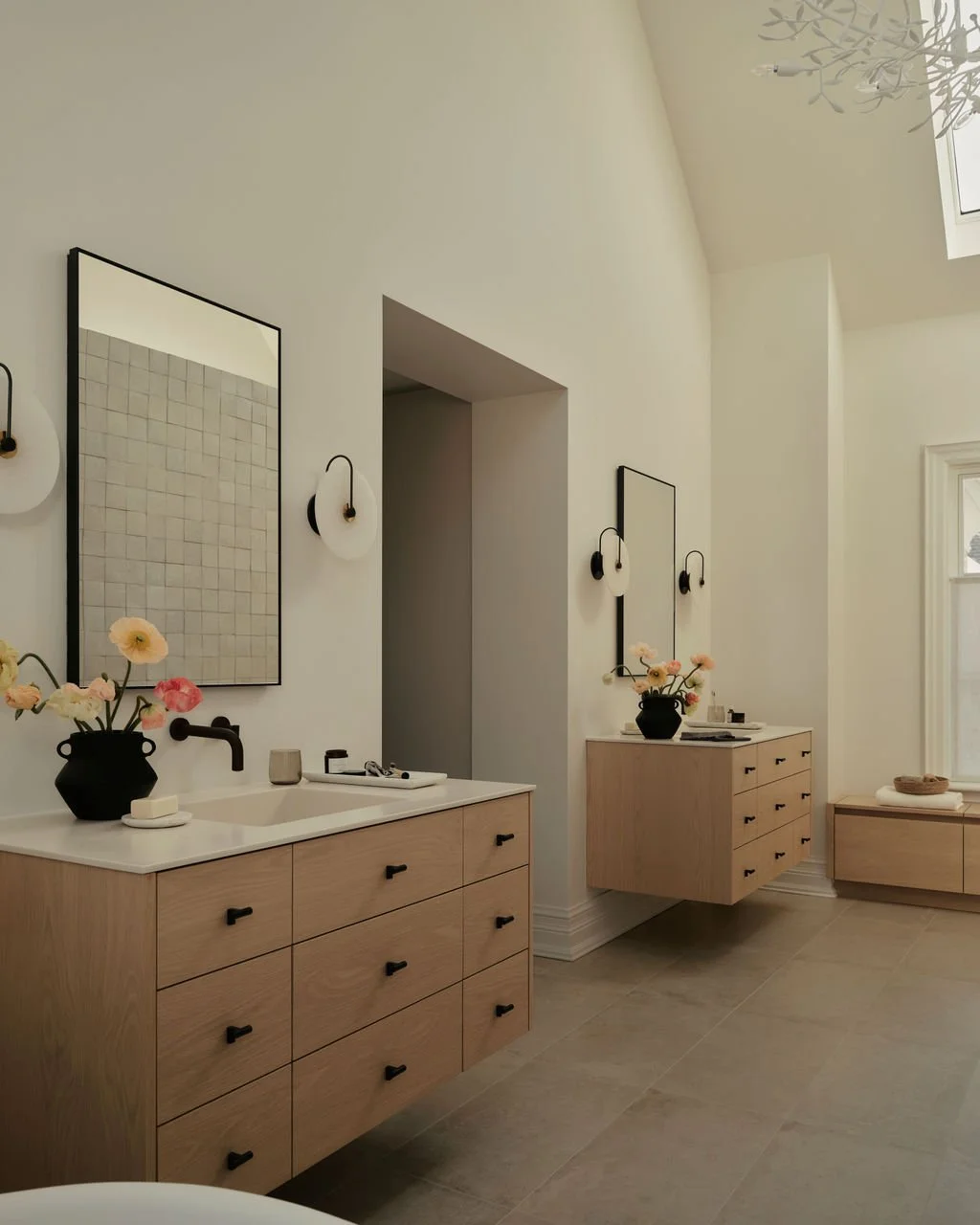
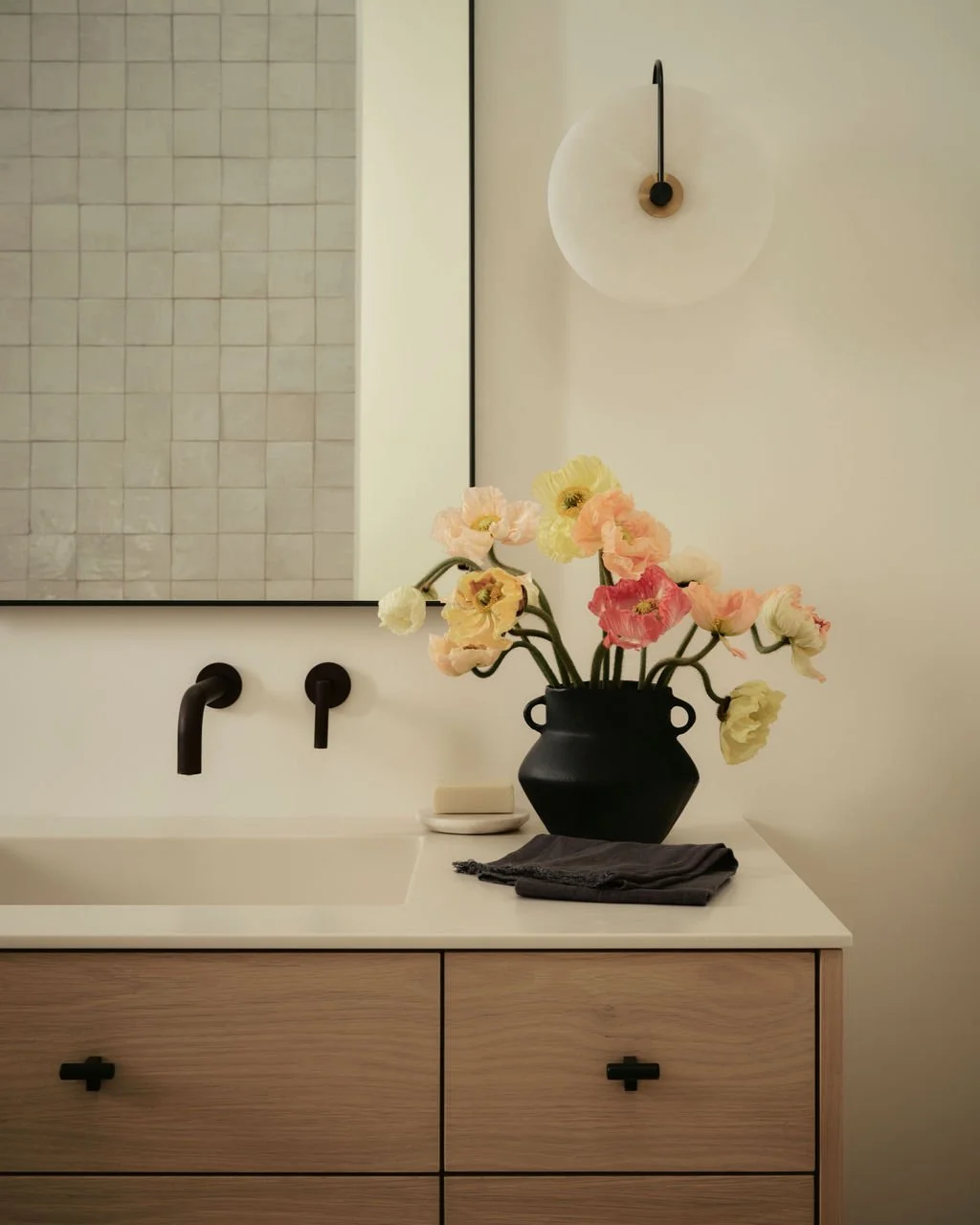
Sconces at eye level on either side of the mirror
Balanced ambient lighting
Accent lighting if the millwork calls for it
The Dark Corner Problem
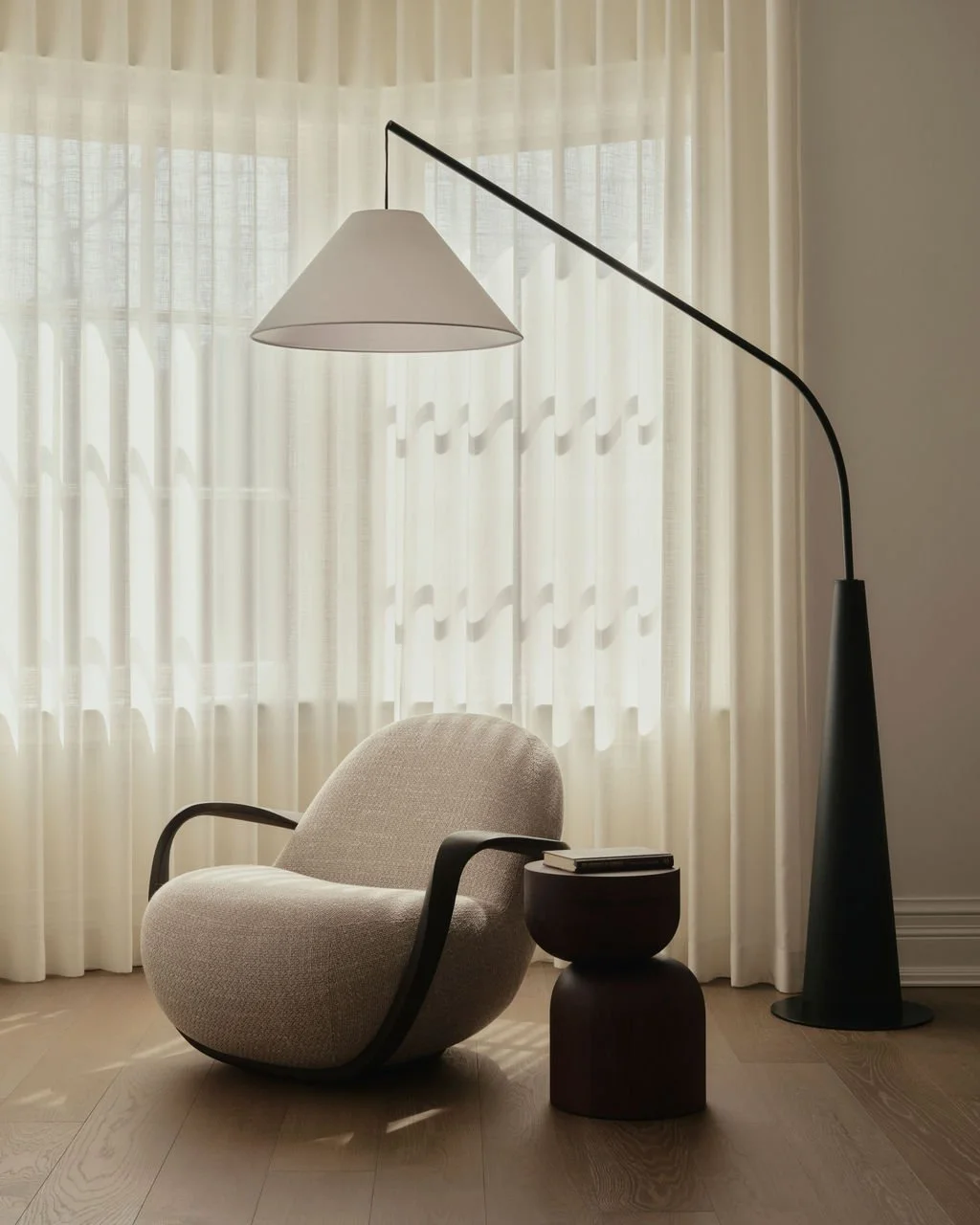
Another common oversight: no floor outlets for lamps.
Homeowners plan for layered lighting but forget to bring power to where lamps will live - so they default back to overhead lighting.
The result? Dark corners. Or extension cords.
Lighting strategy includes power planning.
It’s not just about fixtures - it’s about anticipating how the room will actually be used.
What Layered Lighting Actually Does
Layered lighting includes:
Ambient
Task
Accent
Decorative
Every layer should be dimmable.
If your only options are “all on” or “all off,” the plan isn’t finished.
A well-designed home should feel different at 7 a.m. than it does at 9 p.m.
That shift is intentional.
The Part No One Talks About
When clients say they want their home to feel warm, elevated, calm, or layered - they’re often describing lighting.
The most refined homes don’t feel bright. They feel balanced.
Lighting is invisible architecture.
When it’s right, you don’t notice it.
When it’s wrong, you can’t stop noticing it.
Before You Renovate
Instead of asking:
How many pot lights do I need?
Is 3000K too white?
Why does my living room feel flat?
Ask:
Do we have a lighting strategy - or just fixtures?
Because those are not the same thing.
Designing a Home That Feels Right
Lighting is one of the most important - and most overlooked - parts of a renovation.
And one of the easiest places to get wrong. And we haven’t even touched on switches and plugs yet, which is a whole design conversation on its own.
If you’re planning a renovation and want guidance making the right decisions from the start, we’d love to help.