
How Thoughtful Design Planning Prevents Renovation Mistakes
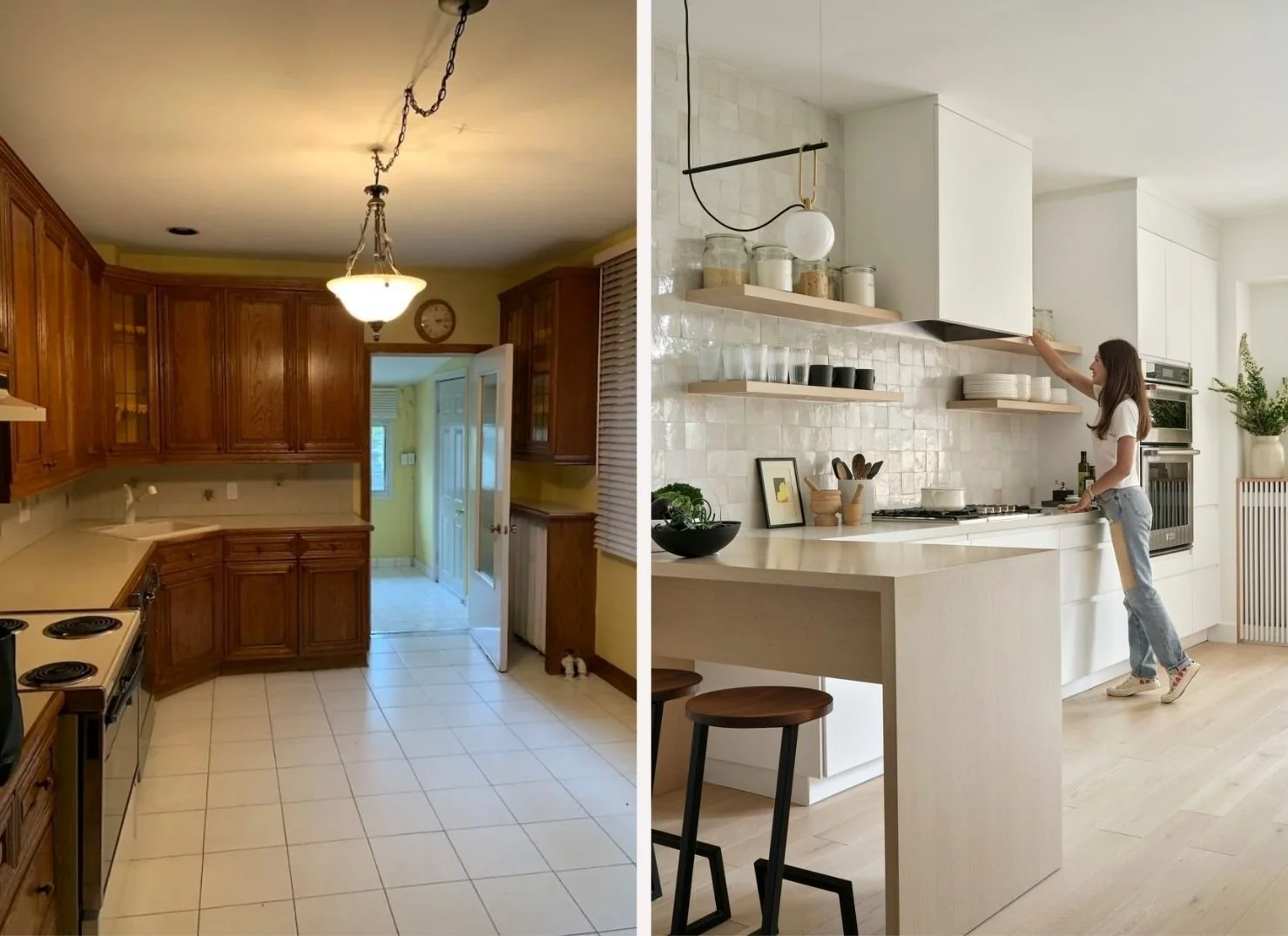
GRACE STREET VICTORIAN: KITCHEN BEFORE & AFTER
When renovation budgets creep upward or timelines stretch longer than expected, it’s tempting to blame what’s happening on site. In practice, many costly renovation issues begin much earlier - during the planning phase.
Thoughtful design planning isn’t about predicting every unknown. Renovation always involves a degree of discovery.
What it does do is reduce risk: fewer assumptions, fewer gaps, and fewer decisions being made under pressure once construction is underway.
Rather than outlining worst-case scenarios, the examples below reflect common, real-world situations where insufficient planning leads to unnecessary cost, delay, or compromise.
Why the Most Impactful Renovation Decisions Happen Early
Renovations are layered systems. Structure, mechanicals, finishes, furniture, and appliances all rely on one another to function properly. When decisions are made out of sequence - or deferred until construction has begun - coordination starts to break down.
Anything concealed behind the drywall is particularly sensitive. Plumbing, electrical, HVAC, framing, and structural conditions are far more expensive to adjust once installed. Changes are always possible, but they come with escalating costs and disruption.
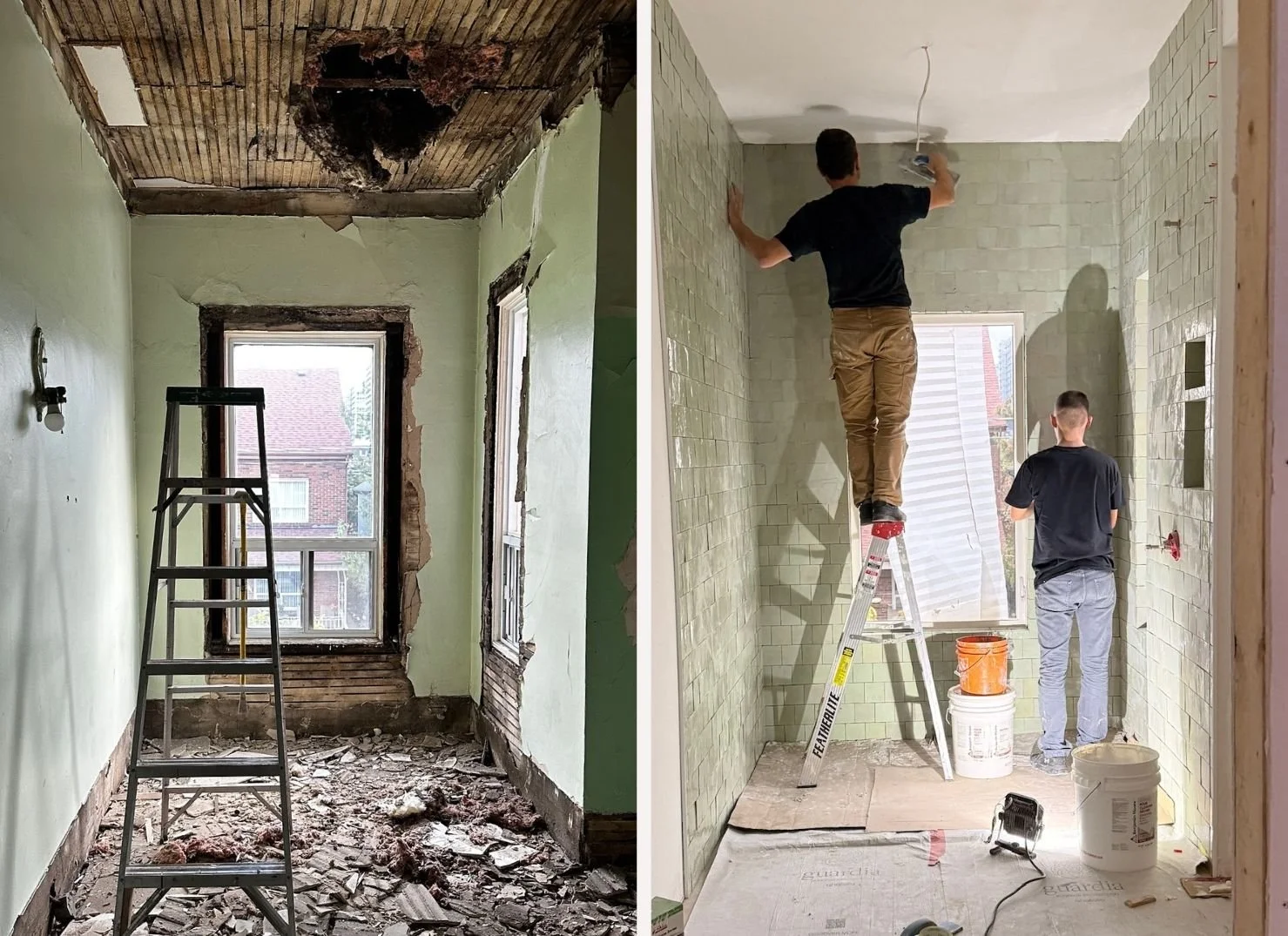
Older homes introduce additional variables. In markets like Toronto, floor levelling is a common example. Decades of settling often go unnoticed until walls are moved or new finishes are introduced. Once cabinetry, tile, or millwork is involved - all of which require level substrates and tight tolerances - uneven floors become a serious issue. Addressing this mid-construction can affect both budget and timeline, not because it’s unusual, but because it wasn’t anticipated early.
When early planning leaves gaps, those gaps don’t disappear - they surface later, often at the most expensive point in the process.
Why “We’ll Figure It Out On Site” Rarely Saves Money
Leaving decisions unresolved may feel flexible, but in construction it usually translates to rework.
When drawings don’t fully account for how elements intersect - where switches land relative to millwork, whether drains align with floor joists, or whether wall depth accommodates recessed storage - trades are forced to pause, undo completed work, or improvise.
Each of these moments carries a cost. Labour increases, sequencing is disrupted, and decisions are made quickly rather than deliberately. Late decisions also narrow available options, often resulting in compromises that wouldn’t have been necessary with earlier coordination.
From a renovation cost perspective, ambiguity is expensive. It’s typically absorbed twice: once through additional labour, and again through contingency built into construction pricing.
More importantly, it shifts control away from planning and into reaction - which is rarely where the best outcomes are achieved.
How Detailed Renovation Drawings Reduce Hidden Costs
Many renovation overruns stem not from ambitious design, but from incomplete documentation.
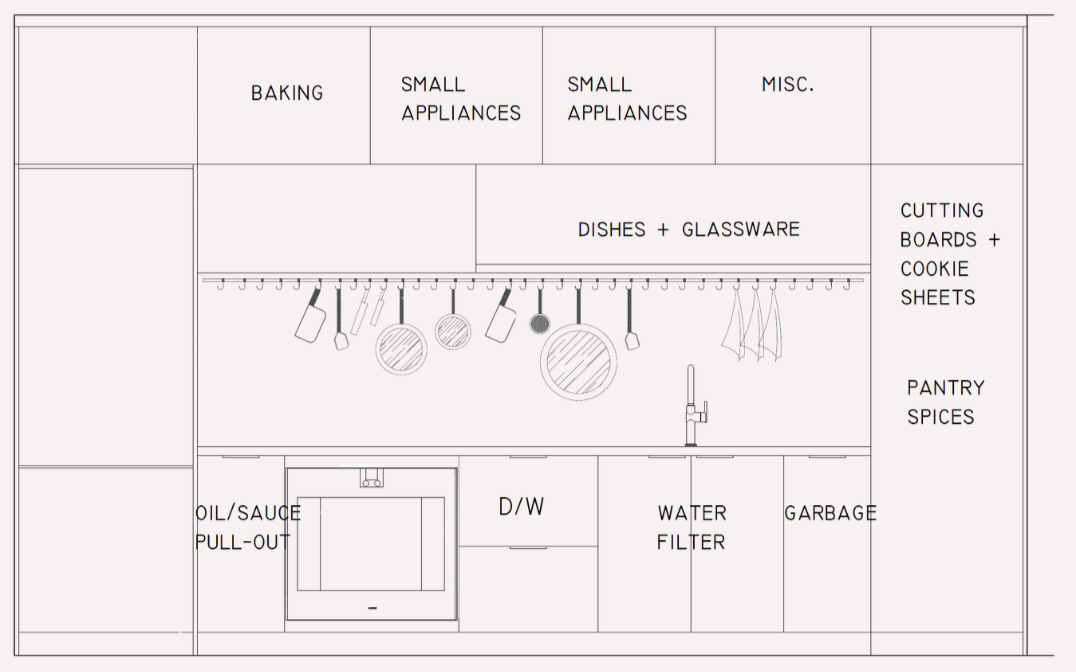
Builders and trades rely on far more than floor plans. Elevations, millwork sections, electrical layouts, reflected ceiling plans, and coordinated specifications allow complex intersections to be resolved before work begins.
When drawings stop at a conceptual level, key details are left to be discovered later – when changes are more difficult and more costly to implement. Questions around fixture compatibility, system coordination, and clearances surface on site, often affecting work that’s already underway.
Comprehensive renovation drawings don’t eliminate complexity. They manage it - shifting problem-solving from the job site to the planning stage, where it’s far more efficient and far less costly.
The Compounding Effect of Late Design Decisions
Timing matters as much as the decision itself.
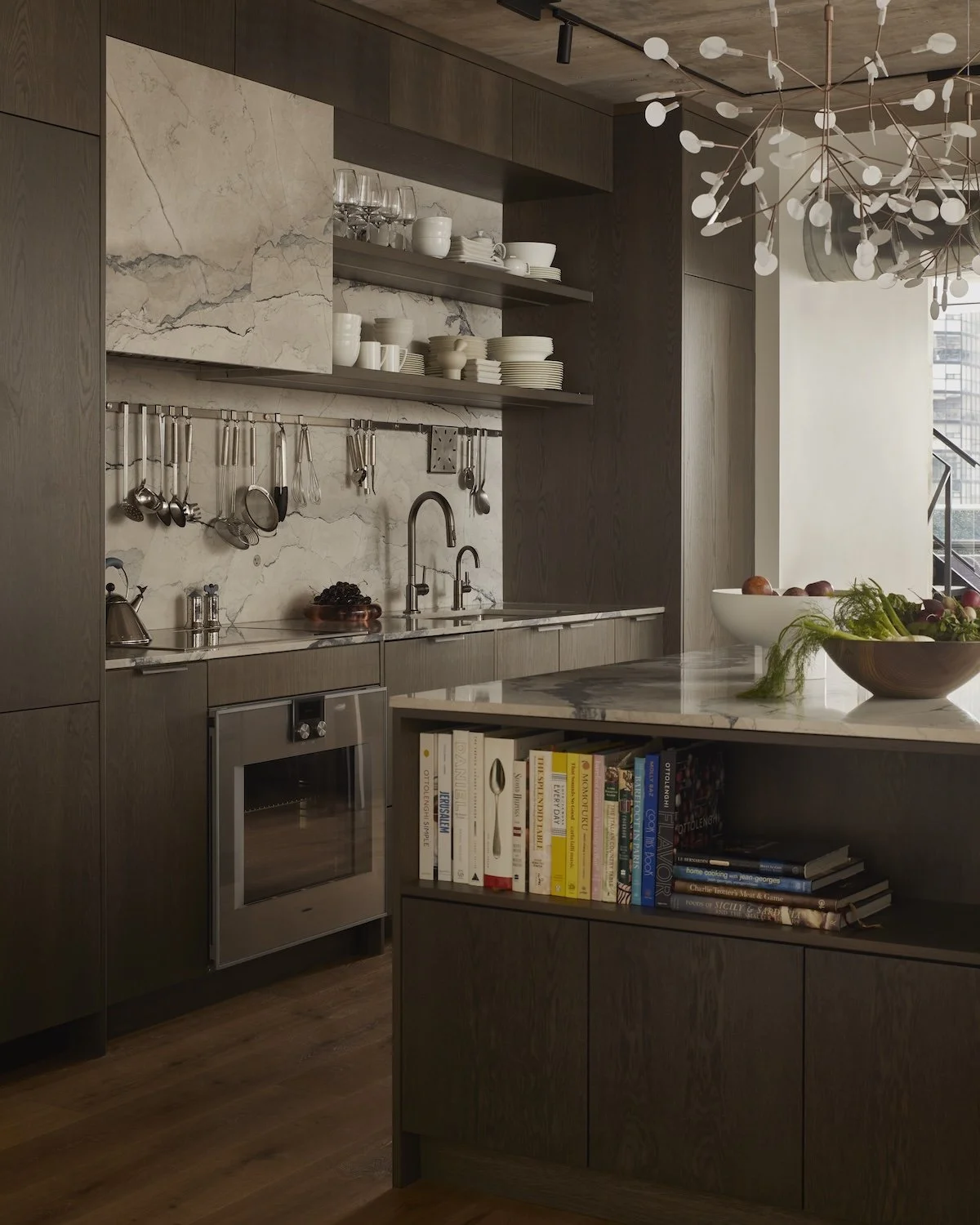
Seemingly small choices can have outsized consequences when made too late. Countertop thickness for example. Without an early decision on edge profile, assumptions are often made about stone thickness. Cabinetry may be fabricated accordingly, only to discover that the final selection alters finished heights - particularly around ranges, which typically offer limited adjustability.
At that stage, solutions become expensive: modifying cabinetry, reselecting materials, or accepting a compromised result.
Clearances present similar challenges. Appliance doors, cabinet swings, and circulation paths must be resolved early. Discovering conflicts after installation often leads to redesigning or replacing custom elements - changes that are both costly and avoidable.
These aren’t rare mistakes. They’re coordination issues that compound when planning is incomplete.
Renovation Planning as Risk Management
Thoughtful design planning isn’t about over-designing or eliminating flexibility. It’s about managing risk.

Early coordination allows potential issues to surface when they’re easiest to address. It protects renovation budgets by minimizing change orders, supports timelines by reducing rework, and preserves design intent by preventing last-minute compromises.
The most successful renovation projects aren’t those without challenges - they’re the ones where challenges are anticipated, documented, and addressed early. When planning is treated as a critical phase rather than a formality, the entire renovation process becomes more predictable, more efficient, and ultimately far more rewarding.