
We get asked some version of this question more than almost any other. The honest answer, the one that actually helps, is not a number.
Not because we're being cagey. A number without context isn't just unhelpful, it can be genuinely misleading. Decorating a bedroom and renovating a kitchen can't be measured on the same scale. A cosmetic refresh and a full structural overhaul aren't the same project. And the range of finishes available at every price point is so vast that an average tells you almost nothing useful about what your project will cost.
What we can tell you is how to think about it. After years of building budgets for full-home renovations across Toronto and the GTA, that framework is worth more than any number we could give you.
Start With the Categories
A renovation budget isn't one number. It's several, and understanding the difference between them is the first step to building one that holds.
The categories we work through with every client:
Construction costs
The labour and materials in the actual build. The biggest cost, and where the biggest surprises live.
Fixtures and finishes
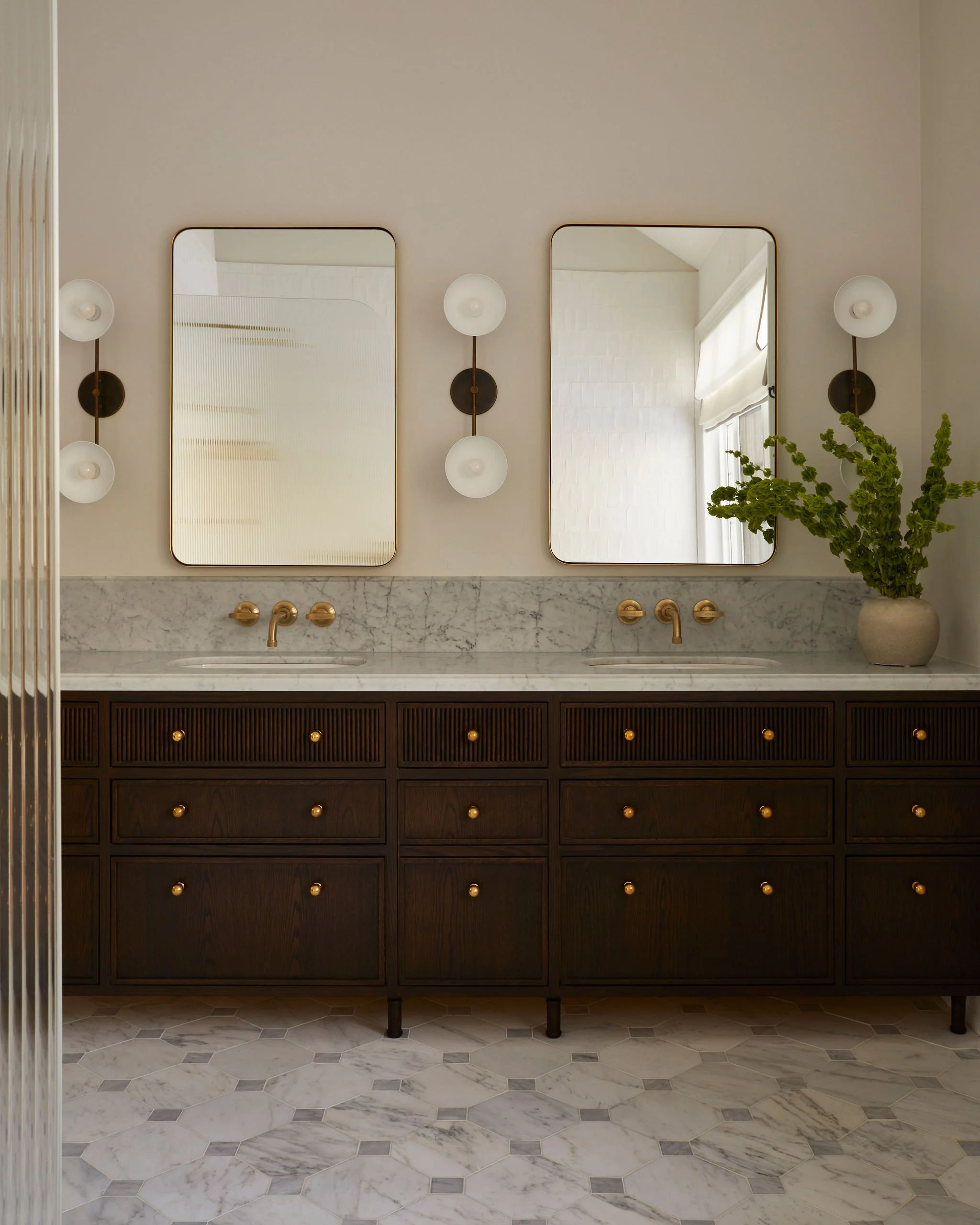
Tile, stone, cabinetry, plumbing fixtures, hardware, lighting. The widest range of any category on the list, and the decisions compound quickly across a full home.
Design and consultant fees
Architectural drawings, permits, structural engineers, interior design fees. The most forgotten line items in an early budget conversation, and some of the most consequential to leave out.
Millwork
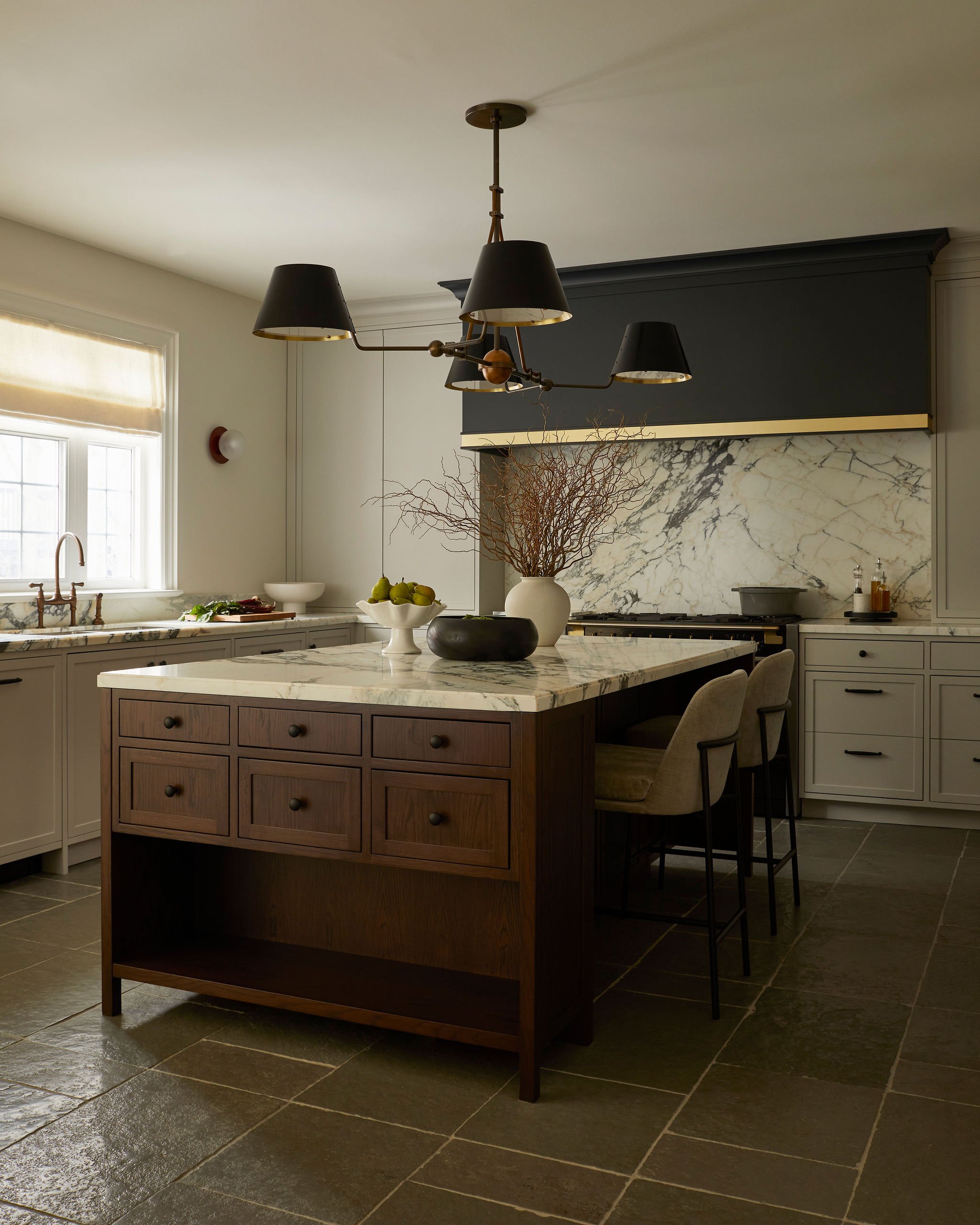
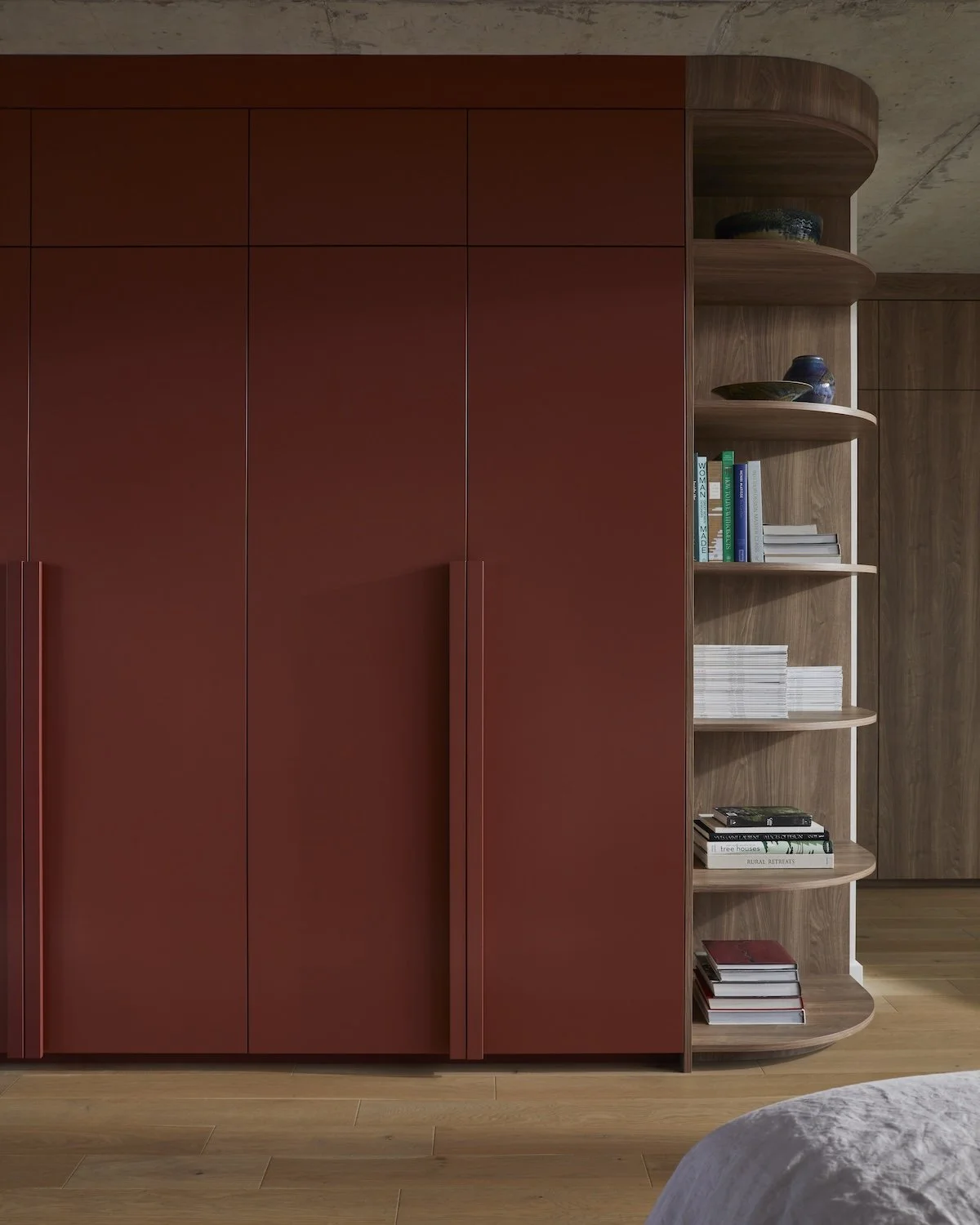
Custom cabinetry and built-ins deserve their own category. Costs climb quickly here, driven by material, complexity and the number of spaces involved.
Appliances and furnishings
High-end appliances vary vastly, and furnishing a full home is a meaningful line that often gets treated as an afterthought once the construction budget is spent.
Landscaping
If your project touches the exterior, this is its own world, and one that catches people off guard regularly.
Getting clear on all of these before you start is the difference between a budget that holds and one that unravels halfway through.
A note on millwork: it's where the investment tends to be most visible and most felt in the finished result. A well-designed kitchen or mudroom with quality millwork will outlast almost every other decision you make.
What Actually Drives Renovation Cost
Once the categories are clear, the next question is what moves the needle within them.
Existing conditions
Hardest to predictWhat lives inside your walls, or under your floors, is unknown until demo begins. Mold, missing insulation, outdated wiring, floor levelling: none of these are rare discoveries in Toronto's older housing stock. We had a project where demo revealed rats in the walls. A budget that doesn't account for the unknown is a budget waiting to break.
Structural changes
Biggest ticketMoving walls, underpinning a basement, adding an addition. These are consistently the most expensive decisions in a renovation, and they require permits, which add time and consultant fees on top of the construction cost itself.
Level of finishes
Most controllableThe most predictable cost driver, which makes it the most controllable. We build out finish packages at different quality levels and use those as a starting point for each space. Knowing where you want to invest and where you're comfortable with a more modest selection is one of the most useful early conversations we have.
Contractor quality
Your callThe right contractor quotes accurately, executes cleanly and doesn't create the rework costs that blow budgets mid-project. Choosing on price alone is one of the most common and most expensive mistakes we see. A lower quote that comes with uncertainty is rarely lower by the end.
Trades returning to site
AvoidableBreaking a project into too many phases, or making decisions too late, means trades coming back multiple times for work that could have been done in one visit. This adds up significantly and is almost entirely avoidable with proper planning upfront.
Timeline
Planning dependentCost and timeline are more connected than most people realize. Rushing creates decisions made under pressure, which almost always cost more than decisions made deliberately. A project that drags past its planned timeline accumulates costs of its own.
Where People Overspend, and Where They Shouldn't Save
Stone is where costs rack up fast without people noticing. It's beautiful and worth investing in, but it's easy to keep adding slabs without watching the total climb.
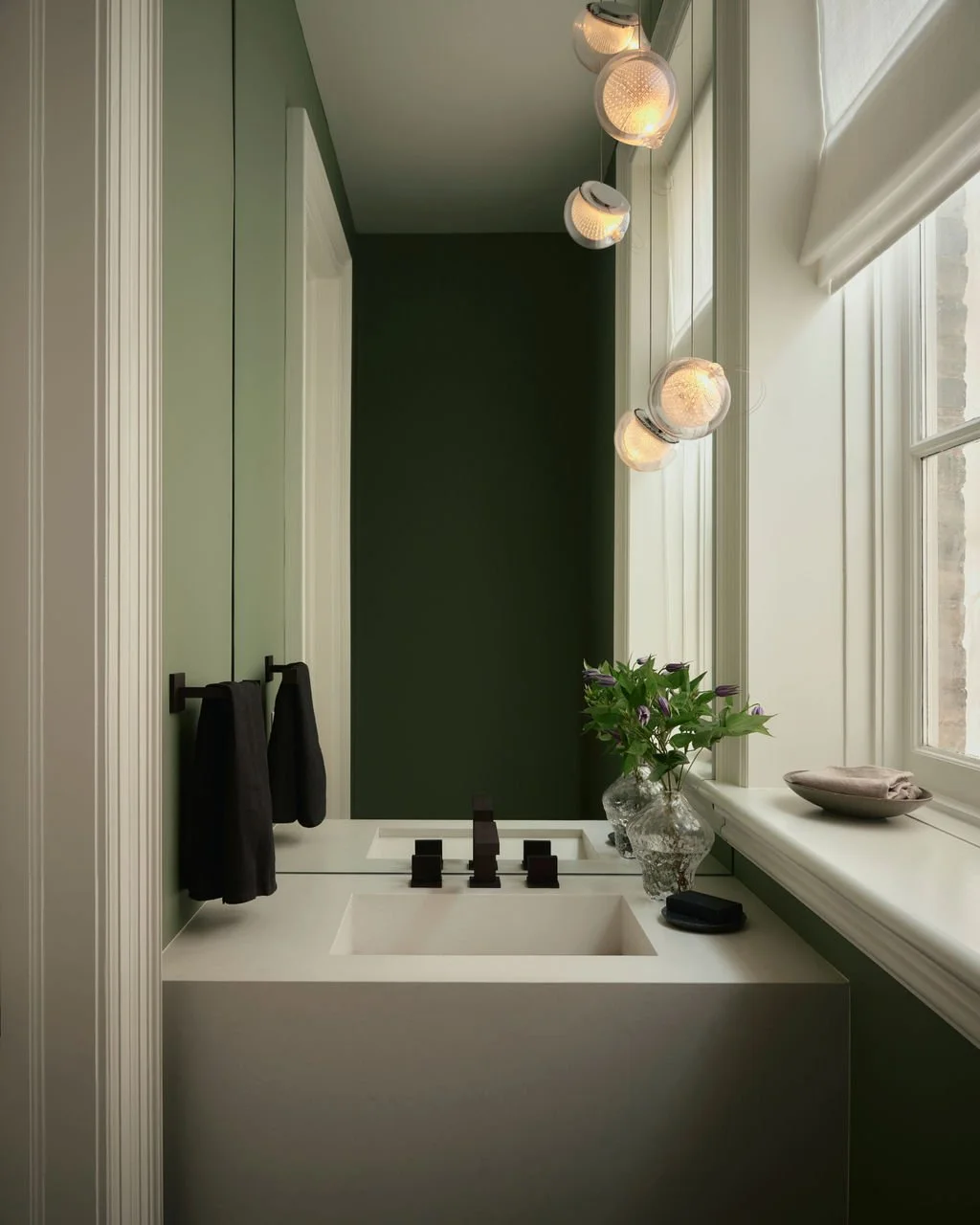
Lighting surprises people too. The fixtures that make the biggest impact in a finished space are rarely the inexpensive ones, and a well-designed lighting plan across a full home is a meaningful line.
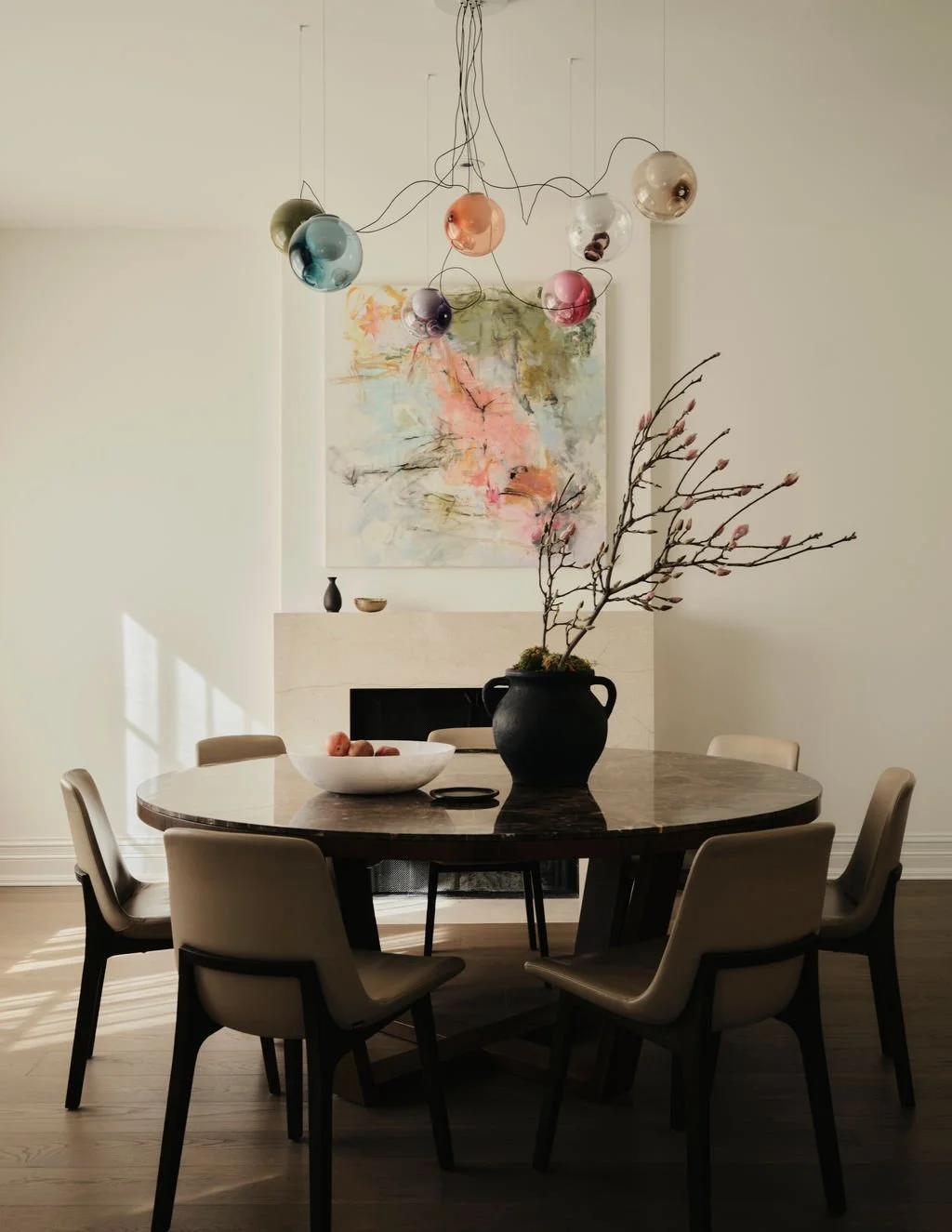
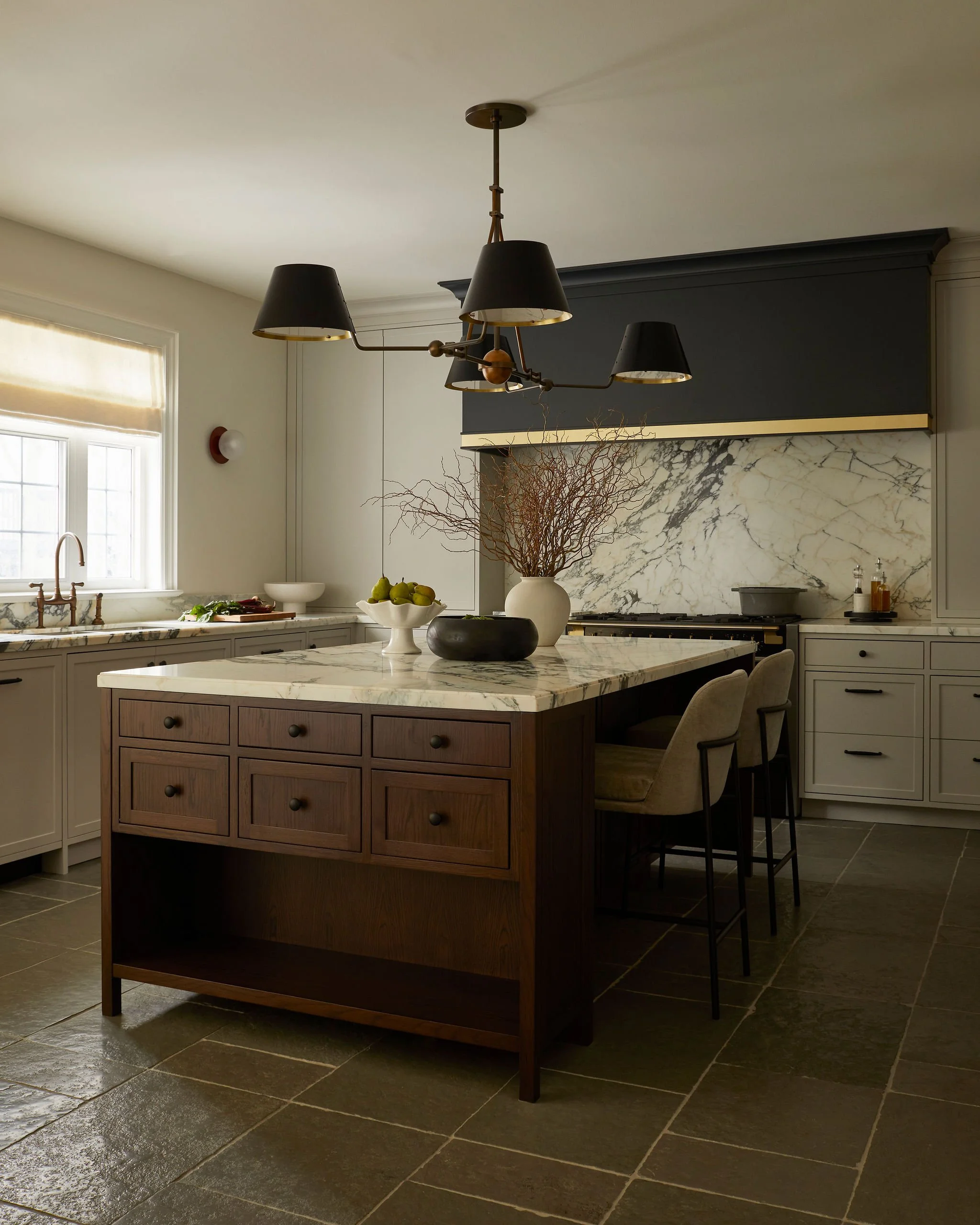
Where people try to save and shouldn't: cabinetry and hardwood flooring. These determine how a home feels every day, and they're the most expensive things to change later.
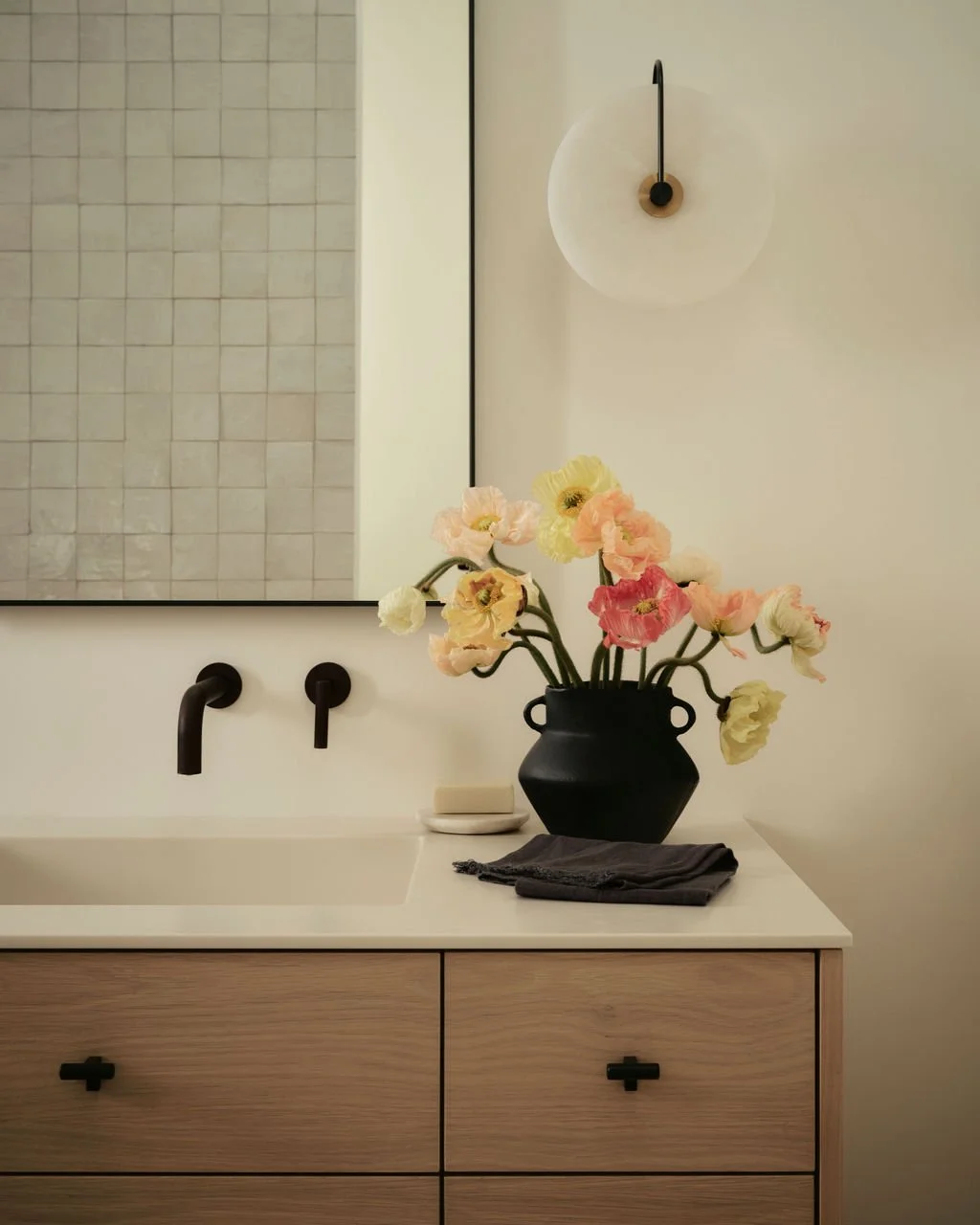
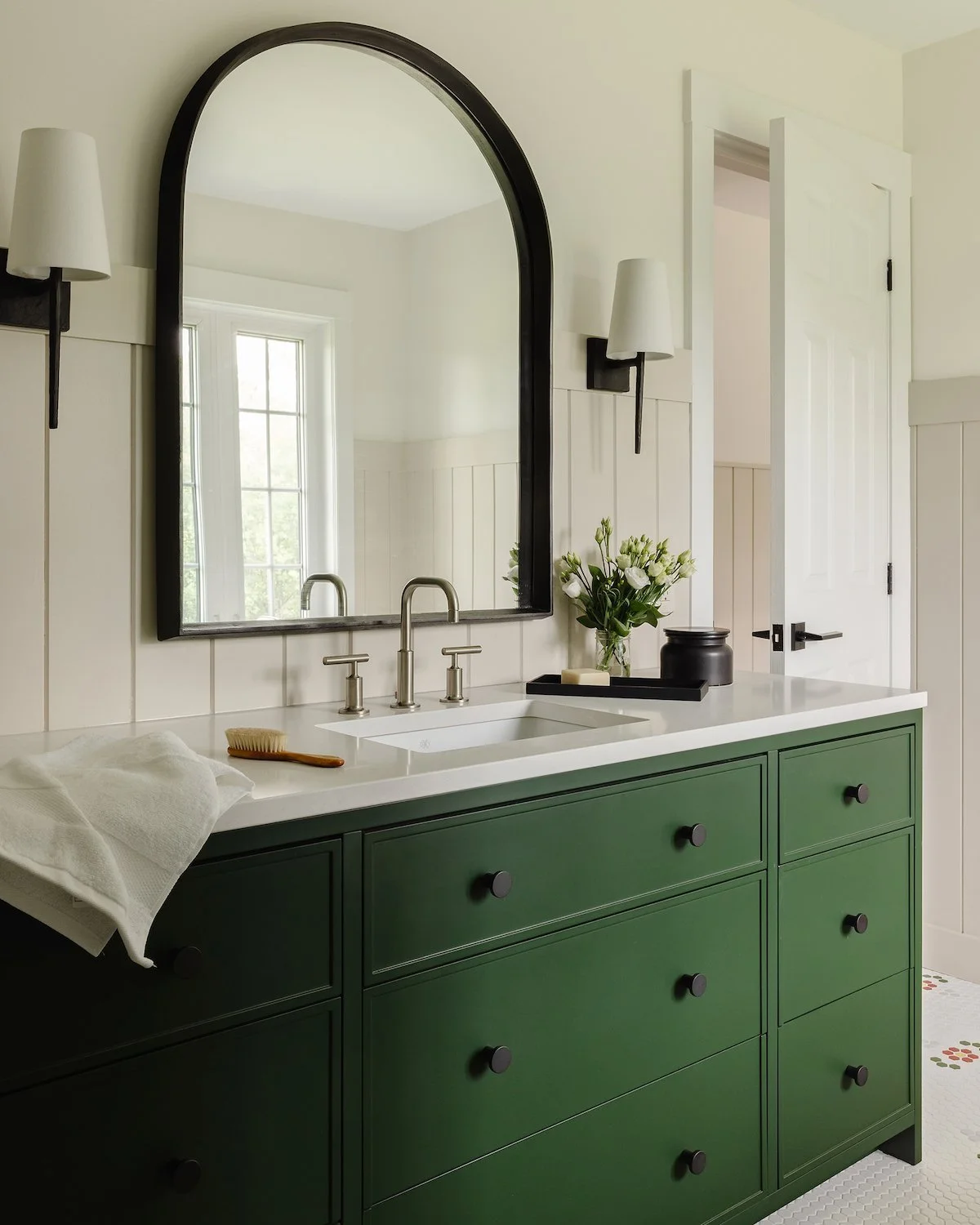
Where saving is safer: tile. The range of beautiful, durable tile at accessible price points is genuinely impressive. A thoughtful selection at a lower price point, paired with higher-end finishes elsewhere, won't compromise the result.
The place we see people cut corners most often, and regret most, is early planning. Skipping proper drawings, rushing the design process or starting construction before decisions are finalized creates costs downstream that dwarf whatever was saved upfront.

Build In a Contingency. A Real One.
Twenty percent. That's our standard recommendation for contingency on a full-home renovation in Toronto, particularly in older homes where the unknowns are highest.
This isn't pessimism. It's experience. The projects that stay on budget are almost always the ones where the contingency existed and wasn't needed, not the ones where it was skipped and everything went according to plan.
It's also worth naming scope creep as a real and almost universal phenomenon. When you're presented with more ideas and more possibilities mid-project, it's genuinely hard not to add to the scope. A contingency that accommodates some of that is a smarter way to plan for the project you'll actually want to build, not just the one you imagined at the start.
The Honest Budget Conversation
We ask about budget on the very first call, even when a client doesn't have one yet or isn't sure what it should be. That conversation is never uncomfortable for us. It's the most useful one we can have early, and getting it right from the start is what lets us build something that works.
When a wishlist and a budget are misaligned, and sometimes they are, we have that conversation early and honestly. The decisions are always in the client's hands. Our job is to make sure they're made with accurate information. That might mean phasing the project, renovating the main floor now and revisiting the upstairs bathrooms later, rather than compromising the quality of everything at once.
A renovation budget is a balancing act across categories, decisions and priorities. The clients who navigate it best are the ones who understand that going in.
Frequently Asked Questions
-
Kitchen renovations vary enormously depending on size, layout changes, level of finishes and whether structural work is involved. For an average-sized kitchen in downtown Toronto, gutted to the studs and including design fees and all new appliances, expect to start around $100,000. That isn't to say a well-executed IKEA kitchen completed independently can't come in lower, but that's a very different project. A kitchen is one of the highest-impact investments in a home, and we build a detailed budget once we understand the full scope rather than working from an average.
-
Not every project requires one. But for a full-home renovation, having someone who can manage the design, coordinate trades and make decisions efficiently tends to pay for itself. The cost of mistakes, rework and poorly sequenced decisions almost always exceeds the cost of good design oversight upfront. You can read more about what full-service design actually looks like.
-
From the first design meeting to the last trade leaving, typically one to two years depending on scope, permit timelines and contractor availability. The design phase alone runs a minimum of twelve weeks before construction begins. Planning well ahead of your target timeline is the single most effective thing you can do to keep both cost and schedule on track.
-
Soft costs: architectural fees, permits, consultant fees, storage, temporary accommodation. Landscaping and furnishings too, which often fall outside the construction budget conversation entirely and arrive as a surprise at the end. Building these into your total from the beginning changes the planning conversation significantly.
-
Meaningfully on the construction side. Demand has grown, material costs have risen with the broader economy, and labour has followed. If you're planning a 2027 project from figures you heard two or three years ago, revisit those assumptions before you get too far into planning.
If you're planning a 2027 renovation and want to start a budget conversation, we'd love to hear from you. We take on a limited number of full-service projects each year.
Get in touch to tell us about yours.
YOU MIGHT ALSO ENJOY


In this post, we answer the most common (and critical) questions clients ask us before they begin a major renovation - from realistic budgeting to timelines, scope, and decision-making.