
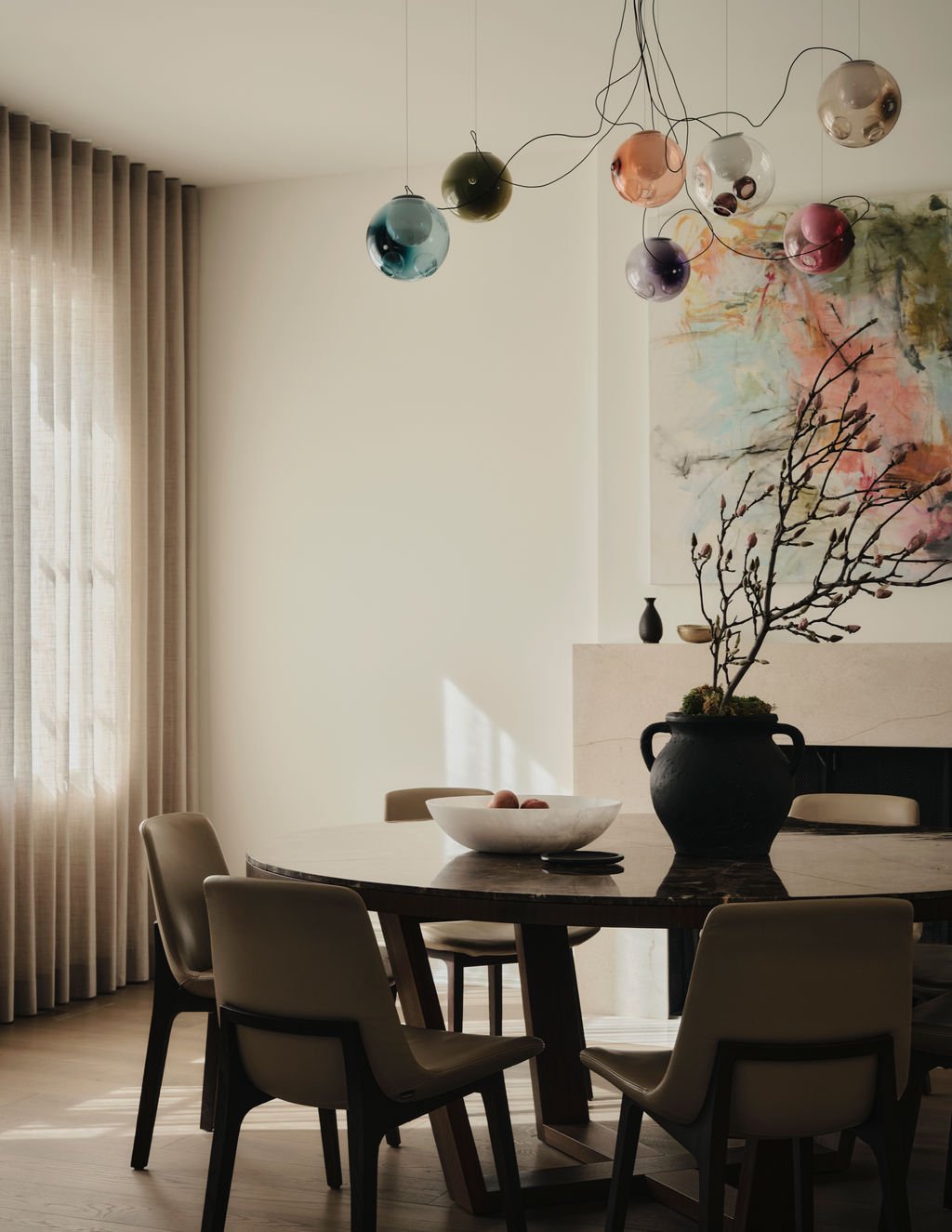

If a renovation has been living rent-free in your head for a while, you're probably wondering when to actually pull the trigger. When does this fit into your life? How much time is this going to take, on top of how much money? What does the road from "we've decided to do this" to "the last trade has left the house" actually look like?
These are exactly the right questions. And the honest answer to all of them is the same: sooner than you think.
Most people underestimate how much time good renovation planning takes in Toronto. Once the idea is there it can feel impossible to wait, but waiting and planning is a significant part of the process. The projects that go smoothly are almost always the ones that started the conversation earliest.
Here's what the timeline actually looks like.

The Design Phase: Minimum 12 Weeks
From the moment we kick off a project to the moment we're ready to break ground, count on a minimum of 12 weeks of design work, and that's for a straightforward scope. Larger or more complex projects run longer.
Within those 12 weeks, there are three to six formal design presentations depending on the scale of the project, with roughly three weeks between each phase. Every decision made in those meetings (layout, materials, millwork, finishes, lighting) needs to be resolved before construction begins. This isn't padding. It's what prevents the costly mid-construction changes that blow budgets and timelines.
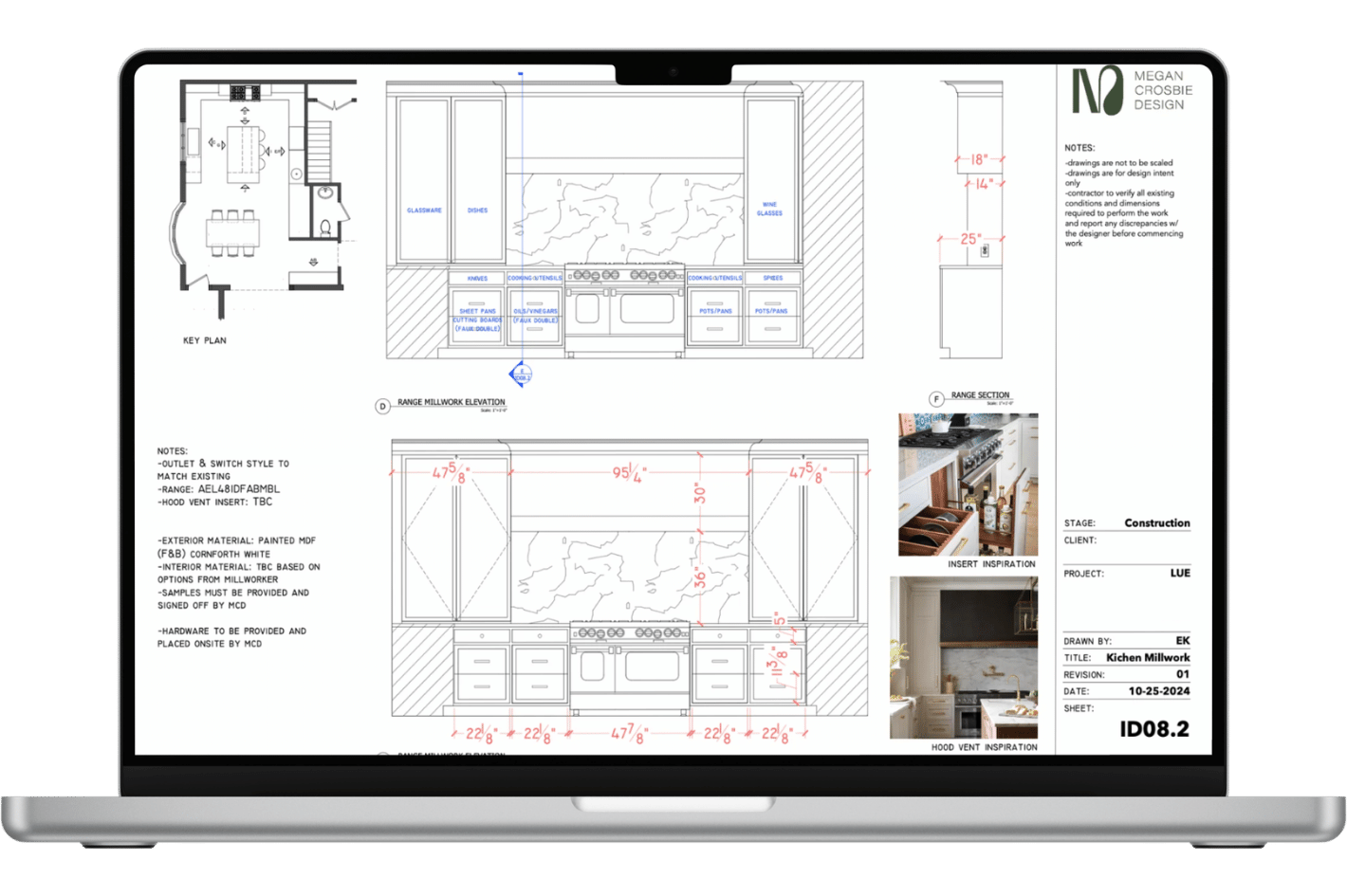
Project Unionville. The kitchen millwork elevation, dimensioned to the eighth of an inch, with the range, materials, and hardware all specified before construction started.
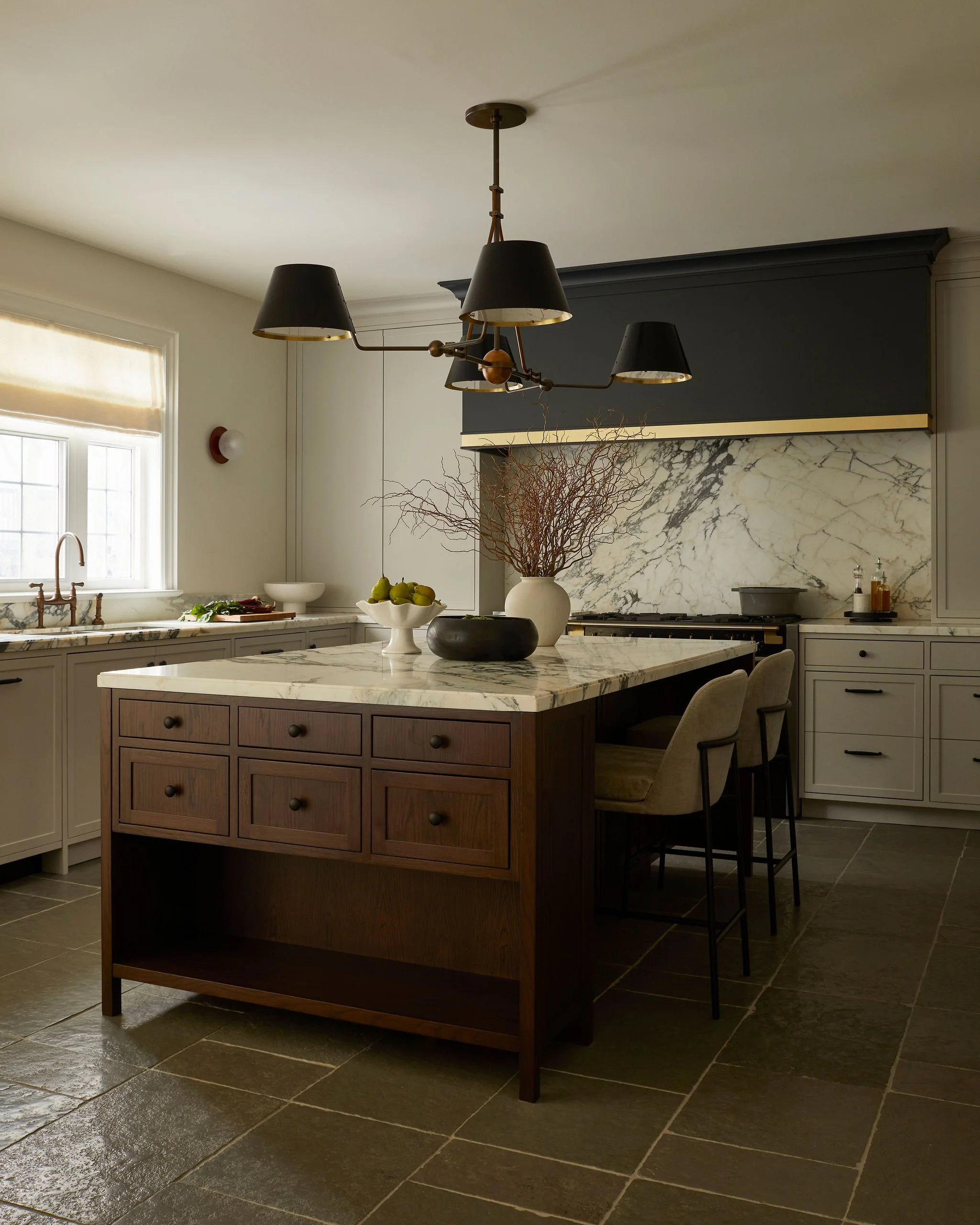
Project Unionville kitchen, built. The dark island and marble were decided on paper first.
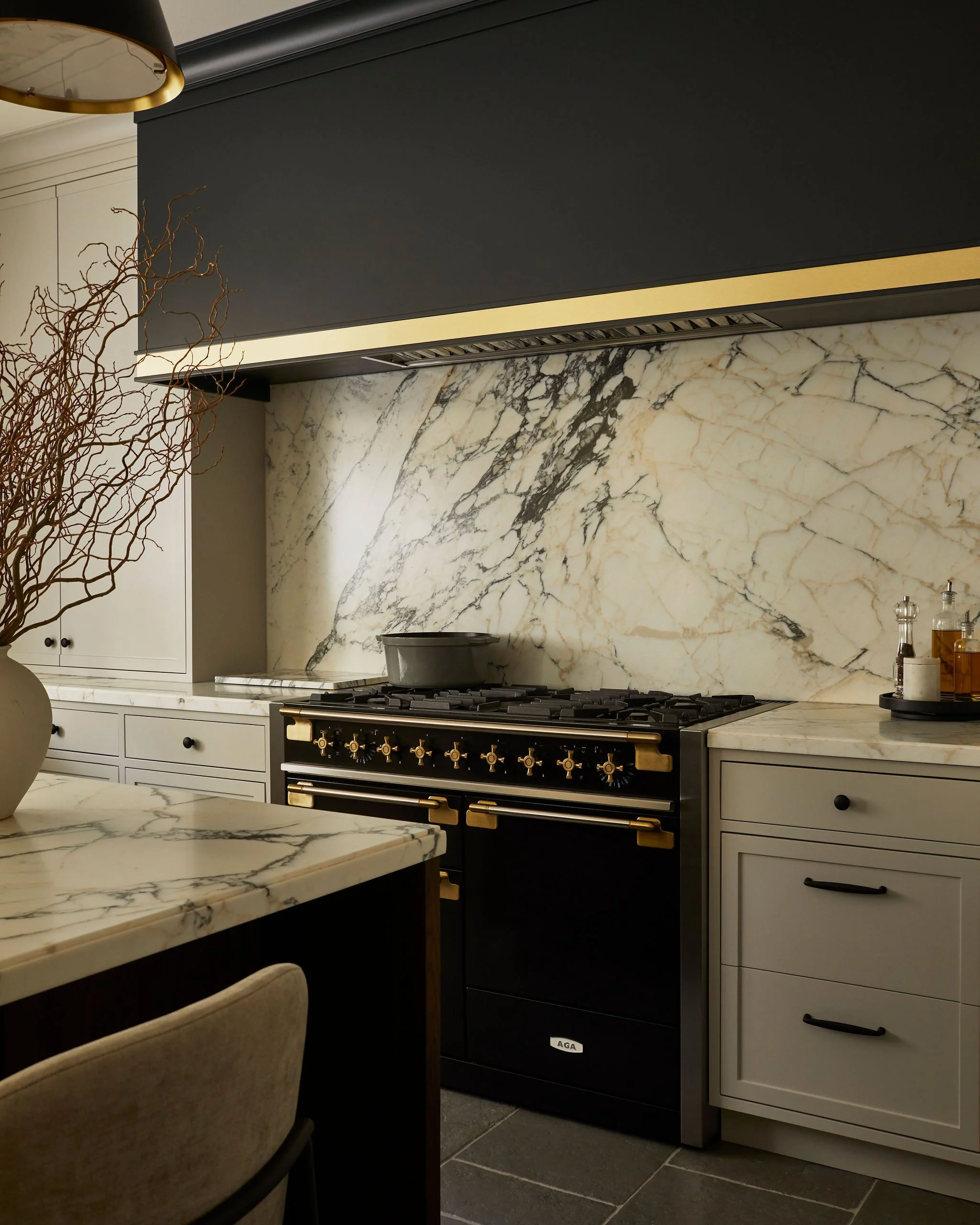
Down to the brass on the range and the veining behind it, every detail here was resolved during the design phase.
The Permit Process: 3 Months to a Year
If your project requires a permit, and many meaningful renovations do, the timeline extends significantly.
A standard permit in Toronto typically takes three to five months. If your project triggers a Committee of Adjustments application (common with additions, extensions, or anything that pushes zoning limits), plan for closer to a year. Heritage designations add their own layer of complexity on top of that.
This is not a step to underestimate or leave to the last minute. Permits are submitted based on completed drawings, which means design needs to be well underway before the clock even starts.
Contractor Availability: Earlier Than You'd Expect
The contractor makes all the difference in a renovation, and the good ones book up fast. For larger full-home projects, the contractors worth hiring are typically spoken for three to six months in advance.
At MCD, we bring contractors into the process early, often before design is fully complete, so that preliminary budget conversations can happen in real time and revised estimates can be made once the details are pinned down. This protects our clients from the all-too-common experience of finishing a design they love and then discovering the budget doesn't work.
Starting the contractor conversation late is one of the most common and most avoidable renovation mistakes.
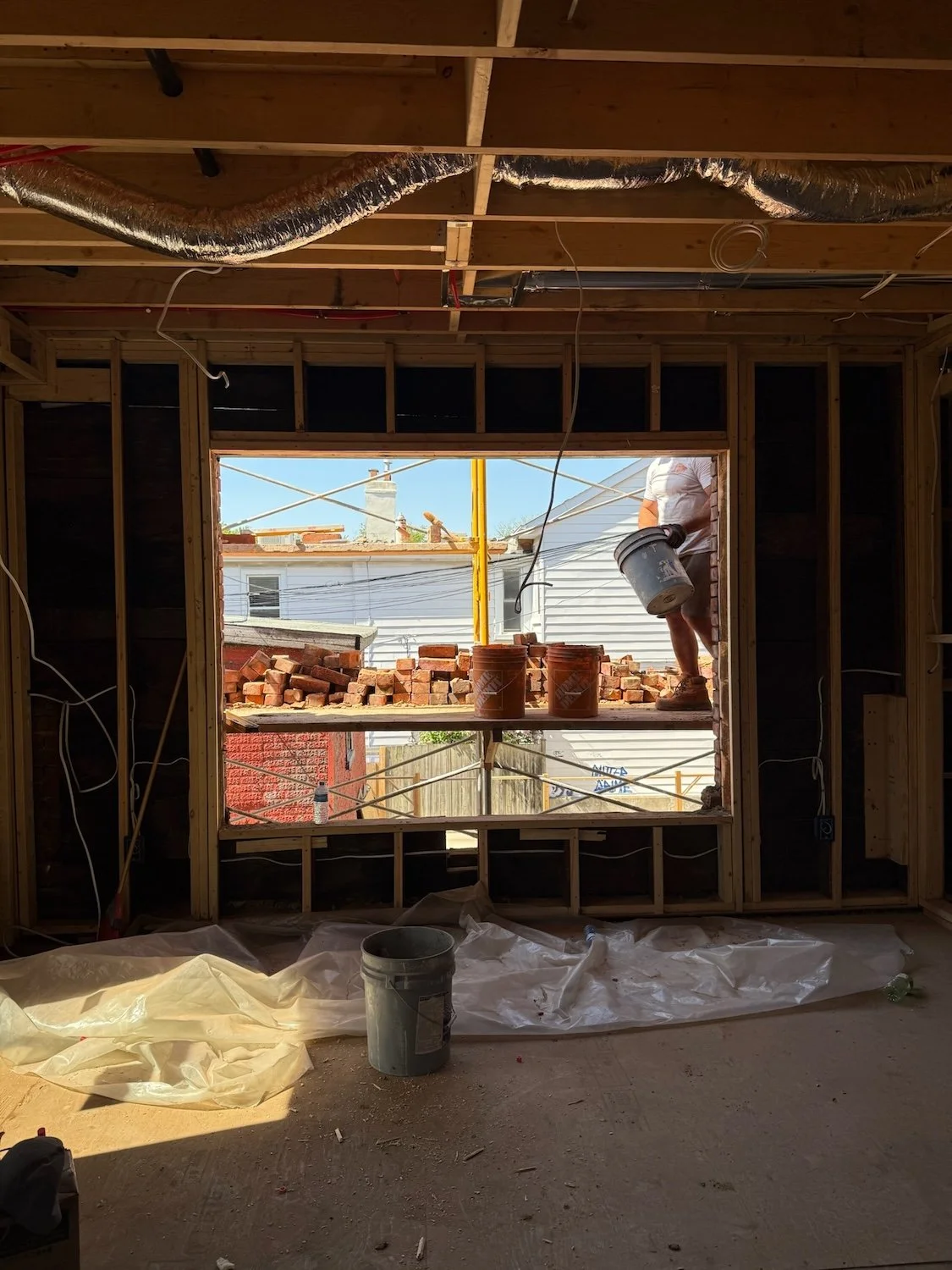
Structural work like opening up a rear wall gets scoped with the contractor early, so the budget conversation happens before the design is locked, not after.
What This Means if You're Planning for 2027
If you're sitting in July 2026 thinking about a 2027 renovation, the timing is actually ideal, but only if you start now.
Here's why. The two most common moments people call a designer are January and September, the natural "new year" windows when planning energy is high. Both are fine starting points. But September inquiries targeting a spring construction start are already cutting it close for anything that requires a permit. January inquiries are better, though by then the best contractors for a spring start are often already committed.
There's also a seasonal reality worth factoring in. Additions, extensions, and anything that involves structural exterior work requires warm weather construction. If your project falls into that category, a winter start is off the table entirely, which makes the lead time even less forgiving.
At this point in 2026, any project we take on will realistically be breaking ground in 2027, with design work beginning this fall. Which means now is exactly the right time to start the conversation.
What to Have Ready Before You Call a Designer
The first conversation goes significantly smoother when you come with three things in mind:

A rough timeline. When you'd like to be living in the finished space.
A realistic budget range. Even a wide one helps.
A clear picture of your goals. What you're trying to solve, what isn't working, and what you're hoping the renovation makes possible.
You don't need to have it all figured out. That's what the process is for. But the more context you can bring to the first conversation, the faster we can get to the work that matters.
The Bottom Line
A well-executed renovation doesn't happen quickly. It happens because someone started planning at the right time, before the urgency set in, before the good contractors were booked, and before the permit clock became a problem.
If 2027 is on your radar, this is your window.
Get in touch to start the conversation. We'd love to hear about your project.
Megan Crosbie Design is a boutique full-service residential interior design studio based in Toronto, with projects featured in Architectural Digest, Toronto Life, Style at Home, Refinery29, and The Spruce.
If you're considering a renovation in Toronto, Muskoka, or across Ontario - or thinking about what one might look like in the next few years - we'd love to hear from you.
YOU MAY ALSO LIKE


In this post, we answer the most common (and critical) questions clients ask us before they begin a major renovation - from realistic budgeting to timelines, scope, and decision-making.