
Why Cohesion Matters More Than Trends in a Full-Home Renovation
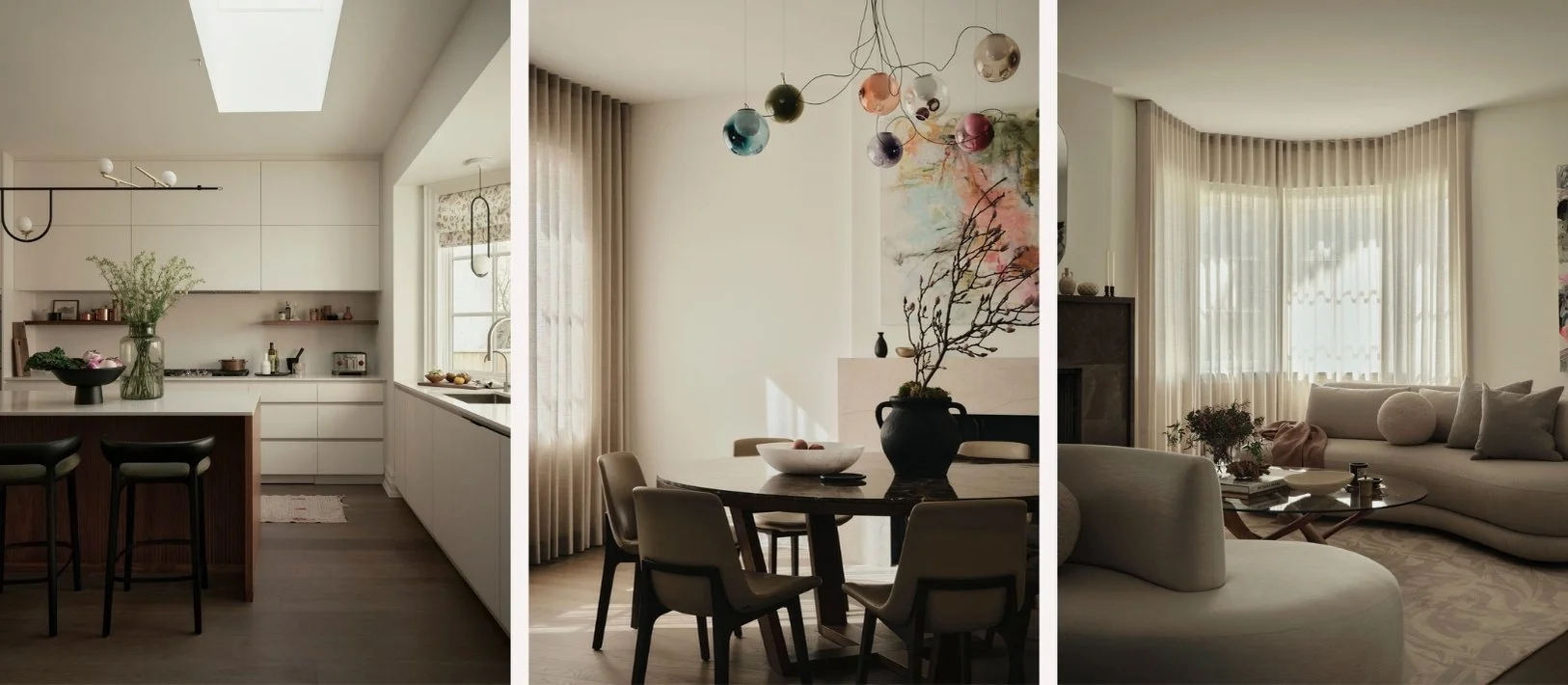
Have you ever toured a house where every level feels like it belongs to a different home?
Different flooring on each floor. Competing wood tones. A kitchen that feels modern, followed by a hallway that reads traditional.
Nothing is wrong, exactly – but the house feels disjointed. Choppy. A little uncomfortable, even if everything is technically “nice.”
That feeling is caused by something: lack of cohesion.
And it’s one of the most common issues we see in renovations that are approached room by room, rather than with the whole home in mind.
What Is Cohesion in Interior Design?
Cohesion in interior design means creating visual and functional continuity throughout a home.
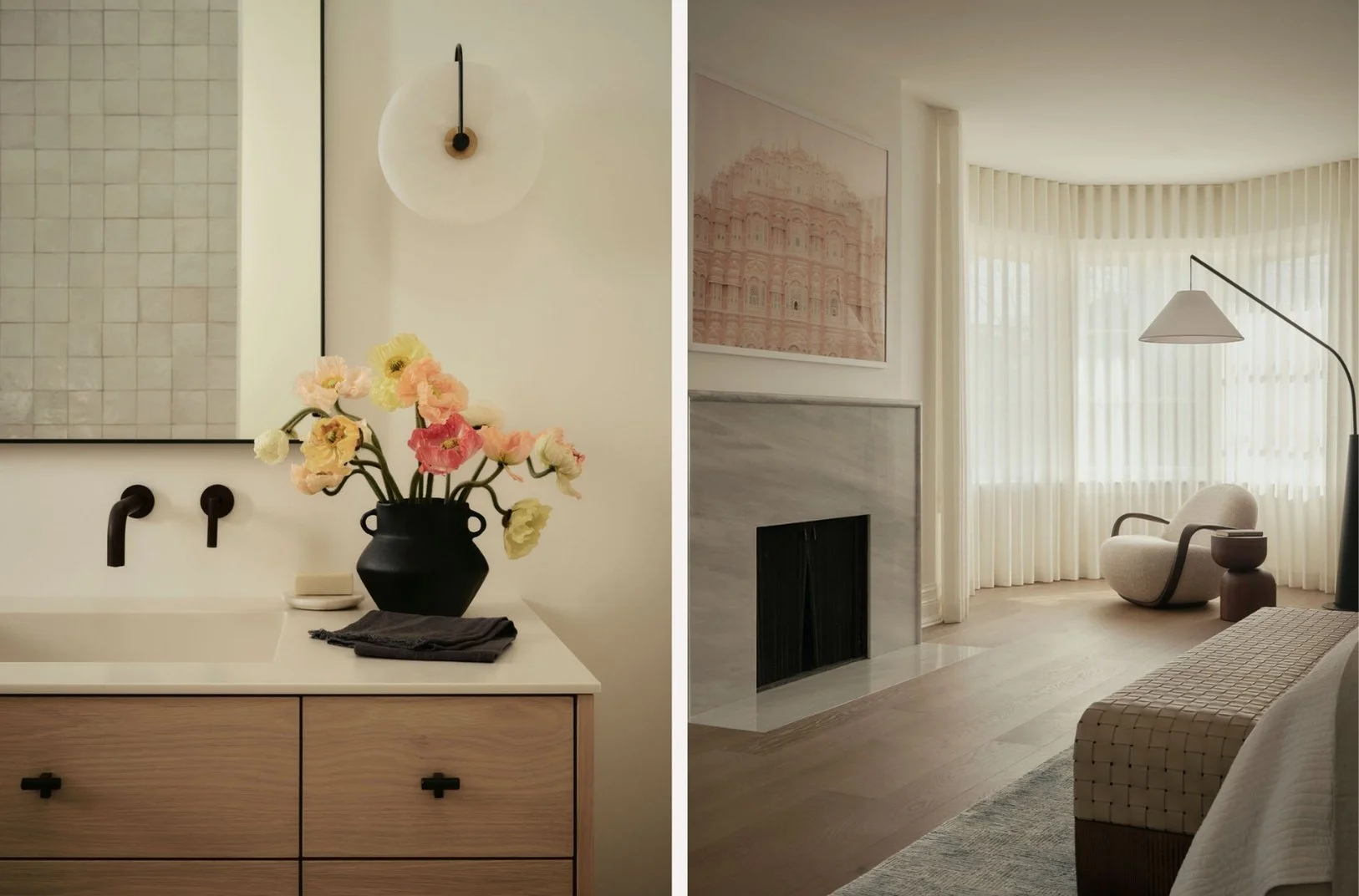
Materials, colours, finishes, and design decisions relate to one another from room to room, allowing the home to feel intentional, calm, and complete – not disjointed or trend-driven.
Cohesion is not the same as monotony. It doesn’t mean choosing one palette and repeating it everywhere (unless you truly want to). It means the spaces speak to each other. There’s a sense of flow that feels natural, even if you can’t immediately explain why.
This is a cornerstone of whole-home renovation planning - and one of the biggest contributors to longevity.
Why Trends Can Undermine Long-Term Design
Trends aren’t inherently bad. But designing each space around what’s currently popular often leads to homes that feel fragmented over time.
A bold tile that looks great on its own can feel disconnected when it doesn’t relate to the rest of the house. A trendy flooring choice on one level can make another level feel dated by comparison – even if everything was installed at the same time.
When design decisions are made in isolation, longevity suffers.
A cohesive interior design plan looks beyond individual rooms and considers:
How spaces relate to one another
How materials will age
How the home will feel years down the line
This is what allows a home to feel timeless rather than timestamped.
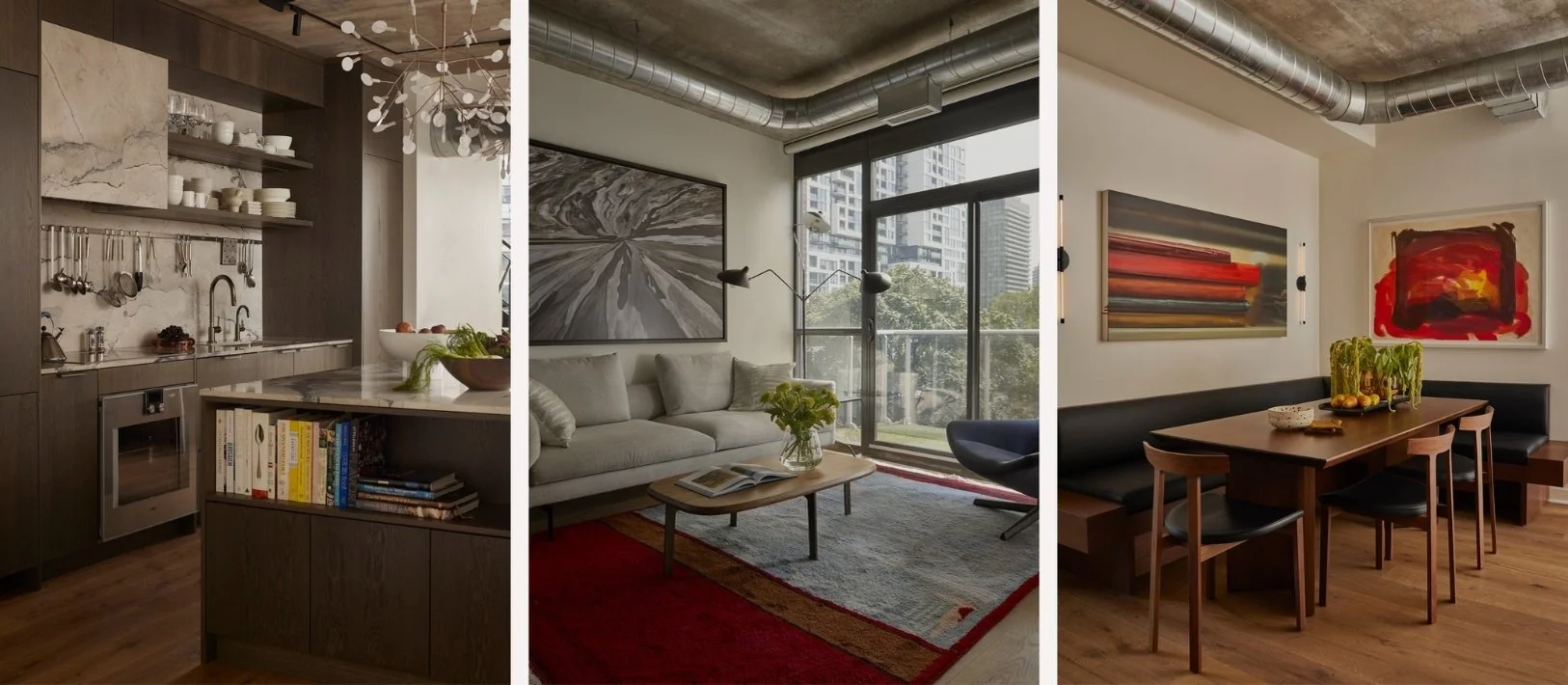
Practical Ways to Create a Cohesive Home
Cohesion doesn’t happen accidentally. It’s the result of thoughtful decisions made early in the process - ideally before construction begins.
Here are a few principles we return to again and again in full-home renovations:
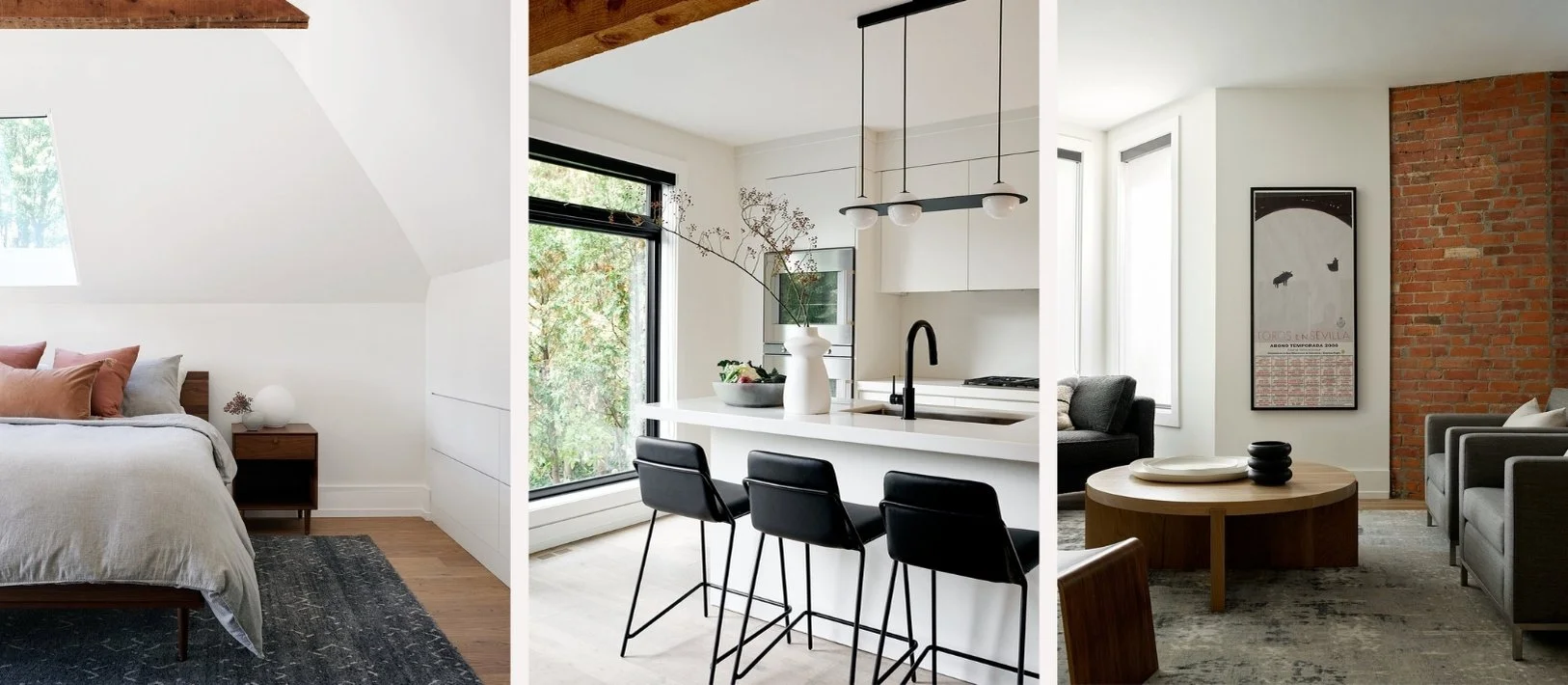
Keep flooring consistent where possible
You don’t need the same flooring everywhere, but major shifts - especially between levels - can interrupt flow. Consistency creates instant calm.
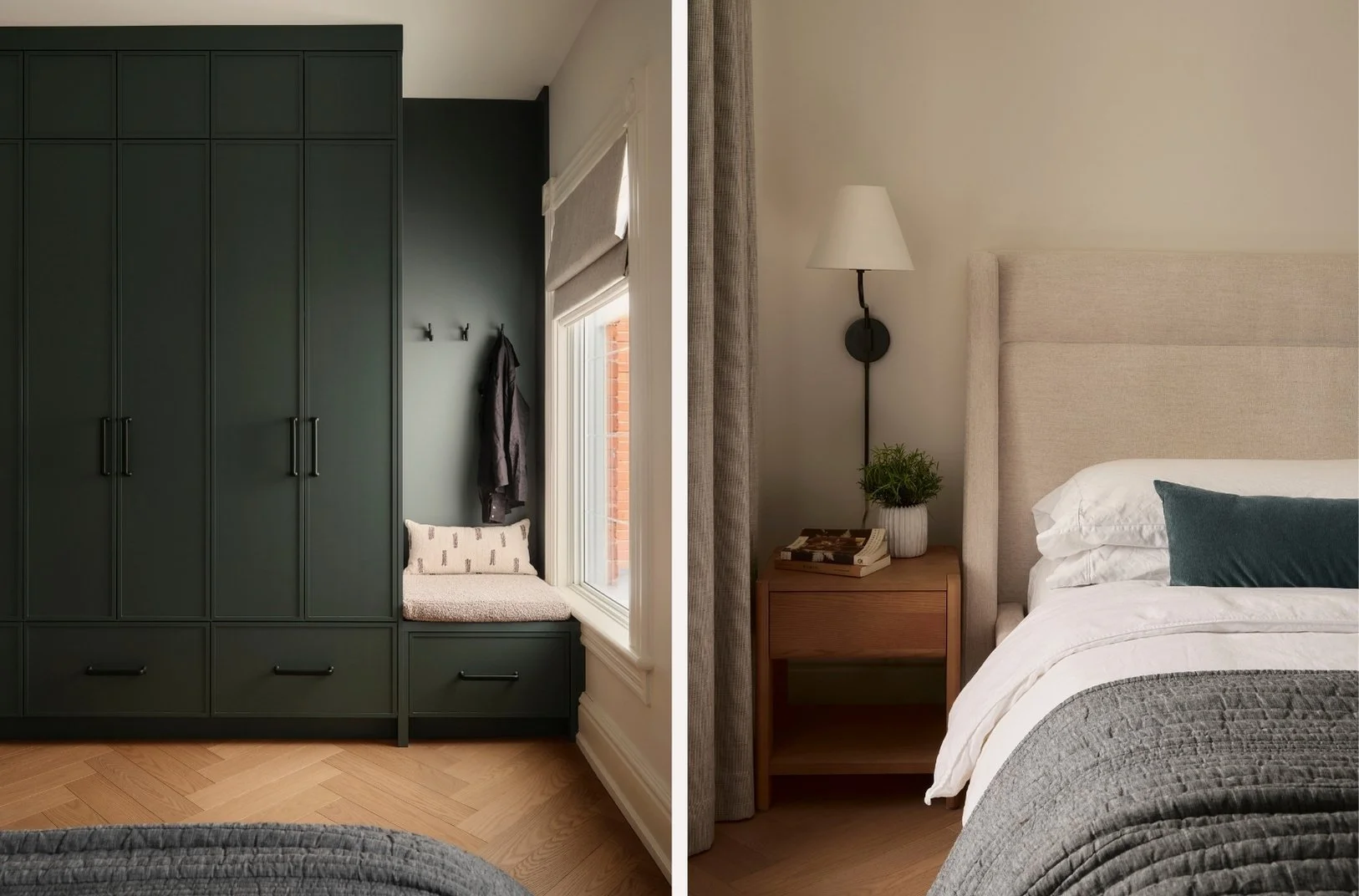
Limit your wood finishes
Multiple wood species and undertones competing at once can make a home feel busy. A tighter range of finishes feels more intentional and elevated.
Let rooms evolve, not restart
Each room can have its own personality, but it should feel like a continuation, not a reset. Colour palettes can shift, but undertones should relate.
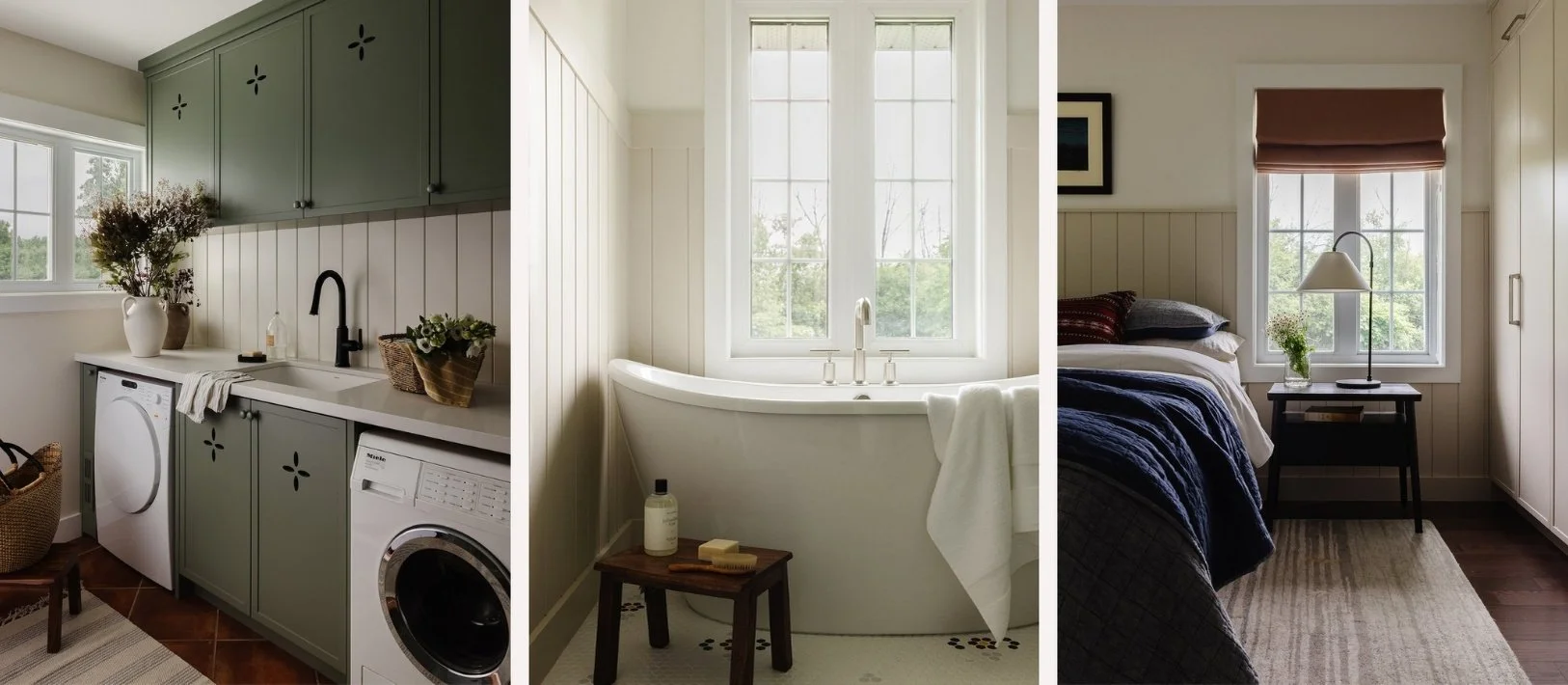
Think in textures, not just colours
Cohesion often comes from repeating types of finishes - honed stone, warm metals, natural textiles - rather than matching exact shades.
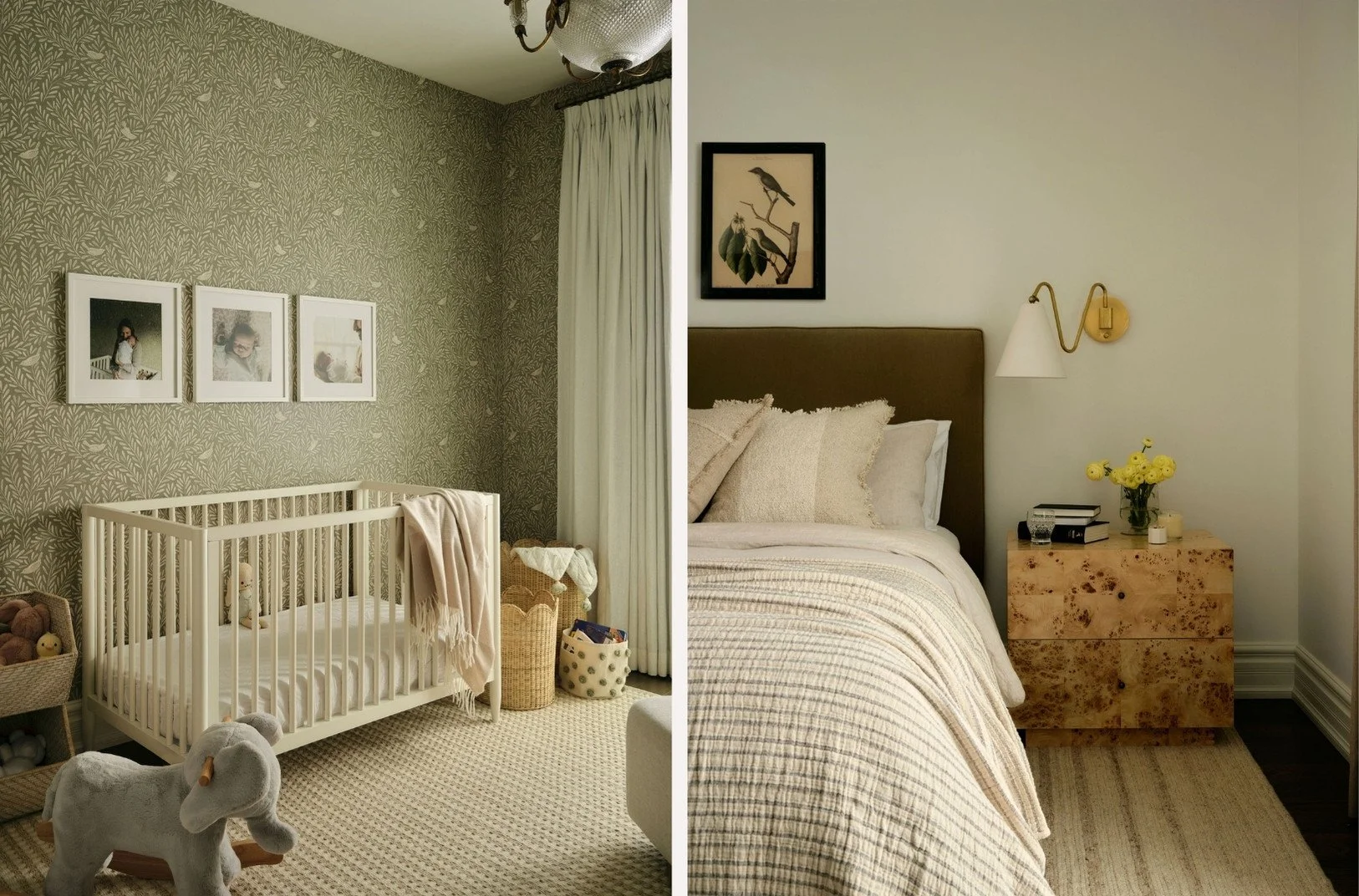
Design for how you live long-term
A cohesive home is one that supports longevity. It isn’t designed around a moment in time, but around real life - routines, growth, and change.
Why Cohesion Adds Long-Term Value
Homes that feel thoughtful and well-considered tend to age better - visually and emotionally. When design decisions are grounded in personal style rather than extreme trends, the home feels like it truly belongs to the people who live there.
This matters whether you plan to stay forever or simply want your renovation to hold its value. A cohesive home feels finished without being flashy, elevated without being predictable.
Key Takeaways for a Cohesive Whole-Home Renovation
Cohesion is about connection, not matching
Designing room by room often leads to visual disconnect
Limiting materials creates longevity and flow
Thoughtful planning upfront prevents costly revisions later
A cohesive home ages better – both aesthetically and financially
Why Whole-Home Thinking Makes the Process Easier
One of the biggest challenges homeowners face during a renovation is decision fatigue. When choices are made in isolation, it becomes harder to see how everything fits together - and easier to second-guess decisions later.
A whole-home approach removes that pressure.
Instead of solving each room independently, a designer considers the home as a complete system - looking at flow, material relationships, longevity, and how today’s decisions will feel years from now.
Cohesion becomes built into the process, rather than something you try to correct at the end.
The result isn’t just a more beautiful home. It’s a renovation that feels calm, considered, and enduring - a home that works as hard as you do, for the long term.